Lakes in the heart of the Amazon rainforest are reaching temperatures hotter than a hot tub, with devastating consequences for the region's unique wildlife, a new scientific study has revealed.
Unbearable Waters and a Surreal Scene
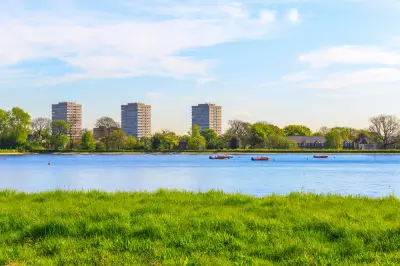
Research conducted during the severe 2023 drought shows that the water in some Amazonian lakes became lethally hot. The shallow waters of Lake Tefé in Brazil's Amazonas state were measured at a staggering 41°C (104°F), a temperature far beyond what the local aquatic life can endure.
"We couldn't even put our fingers in the water. It was really hot, not just in the top bit, but right down to the bottom," reported the lead researcher, Ayan Fleischmann from the Mamirauá Institute for Sustainable Development. "You put your finger in and remove it instantaneously, it's unbearable."

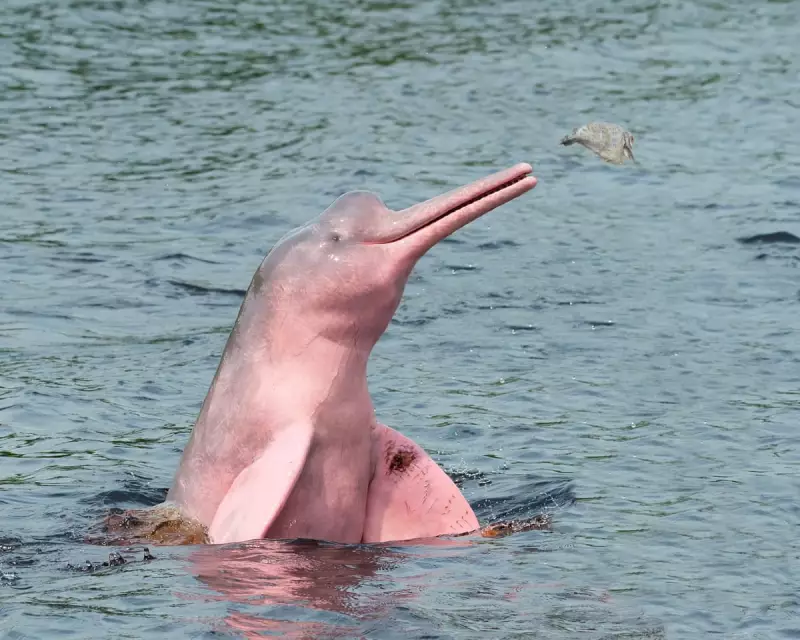
This extreme heating triggered a catastrophic event. Over a six-week period around September 2023, the carcasses of up to 200 endangered Amazon river dolphins washed up. Fleischmann described the scene as "completely surreal and really scary," noting that no one in the region had witnessed such a die-off in the past century.
A Wider Pattern of Warming and Shrinking Lakes
The alarming situation at Lake Tefé prompted scientists to investigate other water bodies across the Amazon. They discovered this was not an isolated incident. The study, published in the journal Science, found that half of the ten lakes investigated experienced exceptionally high daytime water temperatures, exceeding 37°C.
The research analysed water temperatures during the drought of 2023, which was followed by another extreme drought late last year. The data shows a worrying long-term trend: Amazon lakes have been warming by 0.3 to 0.8°C each decade over the past thirty years, a rate higher than the global average.
Simultaneously, the lakes are shrinking dramatically. During the 2024 drought, Lake Tefé lost about 75% of its surface area, while Lake Badajós shrank by a massive 90%.
Jaw-Dropping Impacts and a Global Problem
Experts not involved in the study have expressed profound alarm at the findings. Adrian Barnett, a senior lecturer in behavioural ecology at the University of Greenwich, stated: "The paper shows the extraordinary impacts climate change is having, even on such huge ecosystems as the Amazon."
He emphasised the scale of the temperature shift, calling a 10°C increase in water temperature "unparalleled." "The volume of energy needed to achieve this in such huge volumes of water is jaw-dropping," Barnett added.
The timing of this heat is particularly disastrous for wildlife. Most fish, dolphins, and manatees normally breed in the low-water season. Barnett warned that 2023 would have been a reproductively catastrophic year for most species. He concluded that if such events happen repeatedly, populations will decline severely.
Barnett also highlighted that there are few local solutions to a problem of this magnitude. "Something that's happening at such a huge scale really requires a systems approach," he said. "That means attacking the root cause of the problem, which is fossil fuel emissions and the causes of global warming itself."