Weatherwatch: The Hidden Science of Puddles in UK Weather Analysis
Puddles, often dismissed as mere nuisances after a rain shower, are emerging as critical indicators in understanding the UK's complex weather patterns and broader environmental shifts. A recent study highlights how these temporary water bodies provide valuable data on rainfall intensity, drainage efficiency, and climate change impacts across urban and rural landscapes.
Puddles as Environmental Barometers
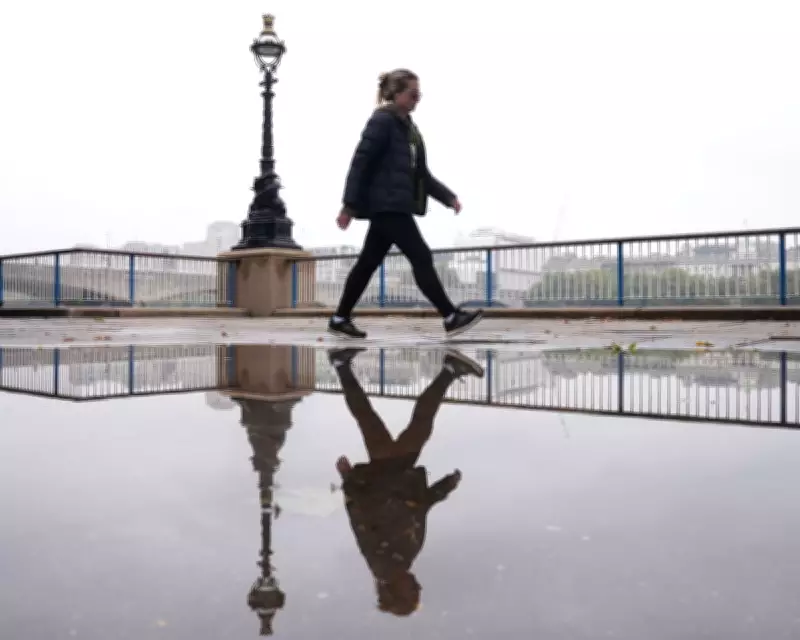
Researchers emphasize that puddles are not just random accumulations of water but are shaped by factors such as soil saturation, surface permeability, and local topography. In the UK, where rainfall is frequent and varied, puddles can reveal how different regions cope with precipitation. For instance, prolonged puddle formation in urban areas often signals inadequate drainage systems, leading to increased flood risks and infrastructure strain.
Key findings from meteorological analyses show that puddle persistence has increased by approximately 15% over the past decade in certain parts of the UK. This trend correlates with rising rainfall extremes linked to climate change, suggesting that puddles are becoming more than just temporary features—they are lasting longer and appearing in new locations, indicating shifts in weather behavior.

Implications for Urban Planning and Climate Adaptation
The study underscores the importance of integrating puddle data into urban planning and environmental management. By monitoring puddle patterns, authorities can identify vulnerable areas prone to flooding and implement targeted improvements in drainage and green infrastructure. This proactive approach is crucial for mitigating the effects of extreme weather events, which are projected to become more common in the UK due to global warming.
Experts argue that puddles should be viewed as early warning systems for larger environmental issues. For example, in rural settings, puddle dynamics can reflect changes in soil health and agricultural sustainability, while in cities, they highlight the need for resilient infrastructure to handle increased rainfall.
Future Directions in Weather Monitoring
Looking ahead, advancements in technology, such as satellite imagery and sensor networks, are enabling more precise tracking of puddle formation and dissipation. This data can enhance weather forecasting models and inform public policy on climate adaptation. The UK's commitment to reducing carbon emissions and improving urban resilience makes puddle analysis a timely and relevant tool for scientists and policymakers alike.
In summary, puddles offer a unique lens through which to examine the UK's weather and environmental challenges. By studying these everyday phenomena, we gain deeper insights into the interconnectedness of climate, infrastructure, and community well-being, paving the way for more sustainable and prepared futures.