Trump Administration Announces Major Rollback of Air Pollution Regulations for Coal Plants
The Trump administration has unveiled a sweeping policy change that significantly eases air pollution regulations for coal-fired power plants across the United States. This move marks a substantial shift in environmental policy, aiming to reduce regulatory burdens on the coal industry, which has faced economic challenges in recent years. The new rules, announced by the Environmental Protection Agency (EPA), relax standards for emissions of pollutants such as sulfur dioxide and nitrogen oxides, which are linked to respiratory illnesses and other health issues.
Environmental and Health Implications of the Policy Change
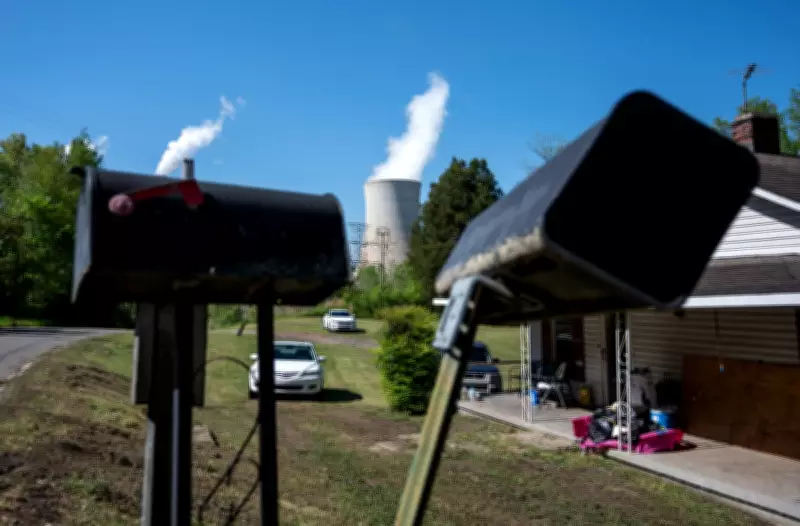
Critics argue that this rollback could lead to increased air pollution, posing risks to public health, particularly in communities near coal plants. Studies have shown that exposure to these pollutants can exacerbate asthma, heart disease, and other conditions. Environmental groups have expressed concern that the policy undermines efforts to combat climate change and improve air quality, potentially reversing progress made under previous administrations. Supporters, however, contend that the changes will boost the coal industry, create jobs, and lower energy costs by reducing compliance expenses for plant operators.
Political and Economic Context of the Decision
The decision aligns with President Trump's broader agenda of deregulation and support for fossil fuels, which he has promoted as key to economic growth. This policy shift comes amid ongoing debates over energy independence and the role of coal in the U.S. economy. The coal industry has welcomed the move, citing it as a necessary step to remain competitive against natural gas and renewable energy sources. Meanwhile, opponents warn that it could lead to legal challenges and increased healthcare costs due to poorer air quality.

The EPA's announcement includes provisions that allow states more flexibility in setting their own emissions standards, which could result in varied impacts across different regions. This approach has sparked discussions about federal versus state authority in environmental regulation. As the policy takes effect, stakeholders from industry, health, and environmental sectors are closely monitoring its implementation and potential consequences.