Tehran Engulfed in Toxic Smoke After Israeli Strikes on Oil Depots
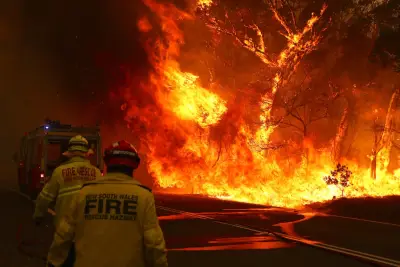
Satellite imagery has confirmed that toxic fires at oil facilities in Tehran, resulting from Israeli military attacks, continued to burn for days, blanketing the Iranian capital with hazardous pollutants. The strikes, which targeted multiple fuel depots on March 7, have sparked fears of long-term health complications for millions of residents, with reports of headaches, breathing difficulties, and skin irritation widespread.
Health Impacts and Environmental Damage
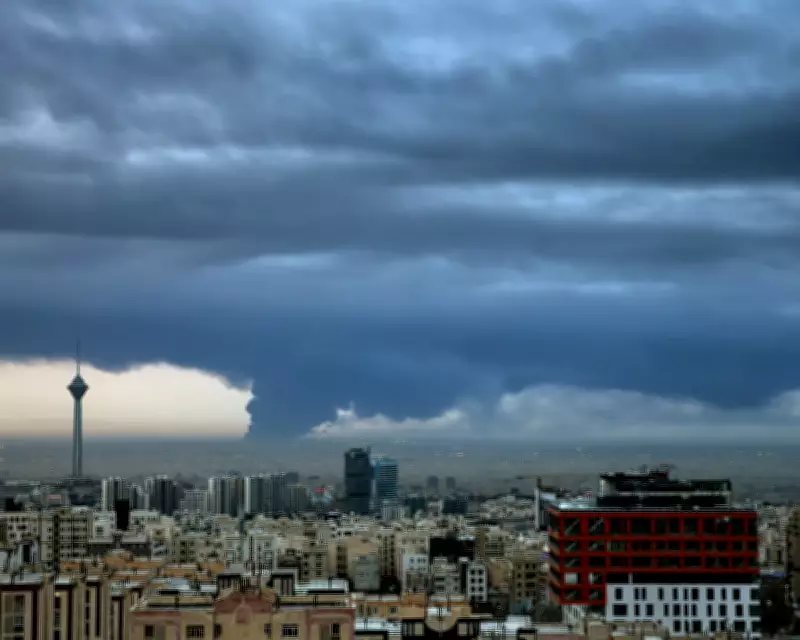
Residents described the city's air as unbreathable, with clouds of smoke containing soot, oil particles, and sulphur dioxide lingering over Tehran. A subsequent storm showered the area with poisonous, oil-filled rain, exacerbating the crisis. Experts warn that symptoms could escalate to cardiovascular disease, cognitive impairment, DNA damage, and cancer due to prolonged exposure.
Key affected sites include:

- Shahran oil depot in the north-west, which emitted a thick smoke column.
- Aqdasieh oil depot in the north-east, still visibly burning ten days post-strike.
- Tehran refinery in the south and Shahid Dolati facility in the west.
Iran has condemned the attacks as "ecocide," highlighting the environmental destruction. The World Health Organization head, Tedros Adhanom Ghebreyesus, emphasized risks of contaminating food, water, and air, particularly endangering children, the elderly, and those with pre-existing conditions.
Long-Term Risks and Global Concerns
Research scientist Akshay Deoras from the University of Reading noted that the reported symptoms align with oil fires producing sulphur and nitrogen compounds, which can form acids in rainwater. The United Nations Environment Programme (UNEP) warned that heavy smoke inhalation poses serious long-term health and environmental threats, with potential contamination of soil, water, and food supplies.
Andrea Sella, a professor at University College London, stated that the legacy of respiratory and other illnesses could persist for years, depending on exposure levels. The incidents have drawn global attention, with other strikes causing environmental damage, such as oil spills and smoke plumes from attacks in the UAE.
As Tehran grapples with chronic air pollution worsened by low-quality heating oil, the scale of pollutants from these explosions has accumulated on surfaces across the city, marking a turning point in public health awareness and anti-regime sentiments.