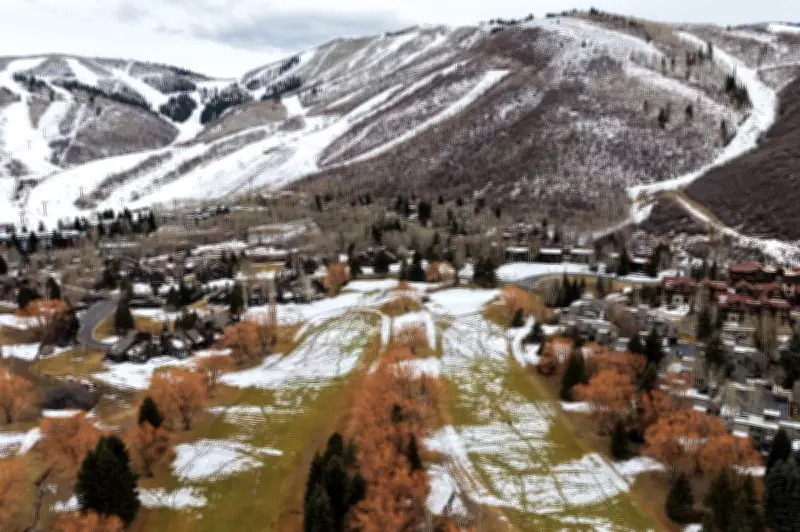
Snow Drought Crisis Hits Oregon, Colorado, and Utah, Threatening Water Supply
A severe snow drought is currently impacting the states of Oregon, Colorado, and Utah, with significant reductions in snowpack levels observed across these regions. This environmental phenomenon is raising alarms among scientists and local authorities due to its potential consequences for water resources, agriculture, and community sustainability.
Impact on Snowpack and Water Resources
The snow drought has led to notably lower snow accumulation in mountainous areas, which traditionally serve as natural reservoirs for spring and summer meltwater. In Oregon, snowpack measurements are reported to be well below average, while Colorado and Utah are experiencing similar deficits. This reduction in snowpack directly threatens the water supply for millions of residents, as well as for agricultural irrigation systems that rely on consistent snowmelt.
Experts warn that if this trend continues, it could result in water shortages, affecting crop yields and increasing the risk of wildfires during drier months. The situation is particularly concerning given the reliance of these states on snow-derived water for drinking, industrial use, and ecosystem health.

Causes and Environmental Factors
Several factors contribute to the current snow drought, including climate change, which is altering precipitation patterns and increasing temperatures. Warmer winters have led to more rain instead of snow in some areas, reducing snowpack accumulation. Additionally, variability in atmospheric conditions, such as shifts in jet streams, has played a role in the uneven distribution of snowfall.
Research indicates that snow droughts are becoming more frequent and intense in the western United States, posing long-term challenges for water management. In response, states like Oregon, Colorado, and Utah are implementing strategies to monitor snow levels more closely and develop adaptive water conservation plans.
Regional Responses and Future Outlook
Local governments and environmental agencies in the affected states are taking proactive measures to address the snow drought. These include:
- Enhancing snow monitoring technologies to track real-time data on snowpack and water content.
- Promoting water conservation initiatives among residents and businesses to reduce demand.
- Investing in infrastructure improvements to better manage water storage and distribution systems.
Despite these efforts, the future outlook remains uncertain, with predictions suggesting that snow droughts could become more common due to ongoing climate shifts. Communities are urged to prepare for potential water scarcity by adopting sustainable practices and supporting policies aimed at mitigating environmental impacts.
In summary, the snow drought in Oregon, Colorado, and Utah highlights a critical environmental issue with far-reaching implications for water security and regional stability. Continued vigilance and collaborative action are essential to navigate these challenges and safeguard resources for future generations.