Health Alert Issued as Saharan Dust Cloud Sweeps Across British Isles
A significant Saharan dust cloud has now arrived over the British Isles, triggering urgent health warnings for individuals with respiratory issues. This atmospheric phenomenon, originating from the Sahara Desert over 1,500 miles away, is known to cause what is colloquially termed 'blood rain' in the UK.
Respiratory Health Risks Amplified by Dust Particles
For the general population, the impact of these fine dust particles may be minimal. However, for those with pre-existing respiratory sensitivities or conditions such as asthma and chronic obstructive pulmonary disease (COPD), the risks are substantially higher.
Karen Spillett, Head of Health at Asthma + Lung UK, emphasized the severity of the situation in a recent statement. "If you are living with asthma, COPD, or another lung condition, your airways are already inflamed and sensitive," she explained. "They can react to a trigger like the Saharan dust, which irritates your airways even further. This can lead to symptoms such as coughing, wheezing, chest tightness, or breathlessness."

Spillett warned that untreated symptoms could escalate into a serious asthma attack or a dangerous flare-up of the condition. The risk is particularly acute in urban areas where baseline air pollution levels are already elevated, compounding the effects of the dust.
Expert Recommendations for High Pollution Periods
Despite the recent pleasant weather, health experts strongly advise against opening windows during this dust event. Karen Spillett provided a detailed list of precautions for individuals with lung conditions:
- Keep windows and doors securely closed to prevent dust ingress.
- Limit or avoid outdoor activities if you are sensitive to airborne particles.
- Regularly monitor air pollution levels via official government websites.
- Continue using prescribed inhalers consistently, even if you feel well.
- Always carry your reliever inhaler when outside.
- Seek immediate medical advice if symptoms worsen, particularly if night-time coughing or wheezing disrupts sleep.
"The dust cloud represents a form of air pollution that can significantly impact health conditions," Spillett added. "It forces many to alter their daily lives, avoiding outdoor exercise and remaining indoors."
This warning is especially pertinent given that approximately 12 million people in the UK—roughly one in five—are estimated to live with a respiratory or lung condition.
Understanding the 'Blood Rain' Phenomenon
The Saharan dust is currently traversing Europe and has begun affecting parts of the UK. The Met Office forecasts that the sand cloud will pass near or over southern regions, introducing 'dust-influenced air' across these areas.
When this dust interacts with moist atmospheric conditions, it can lead to rainfall that carries the particles downward, resulting in 'blood rain.' This may leave a faint yellowish or brownish residue on surfaces such as car windows after precipitation.
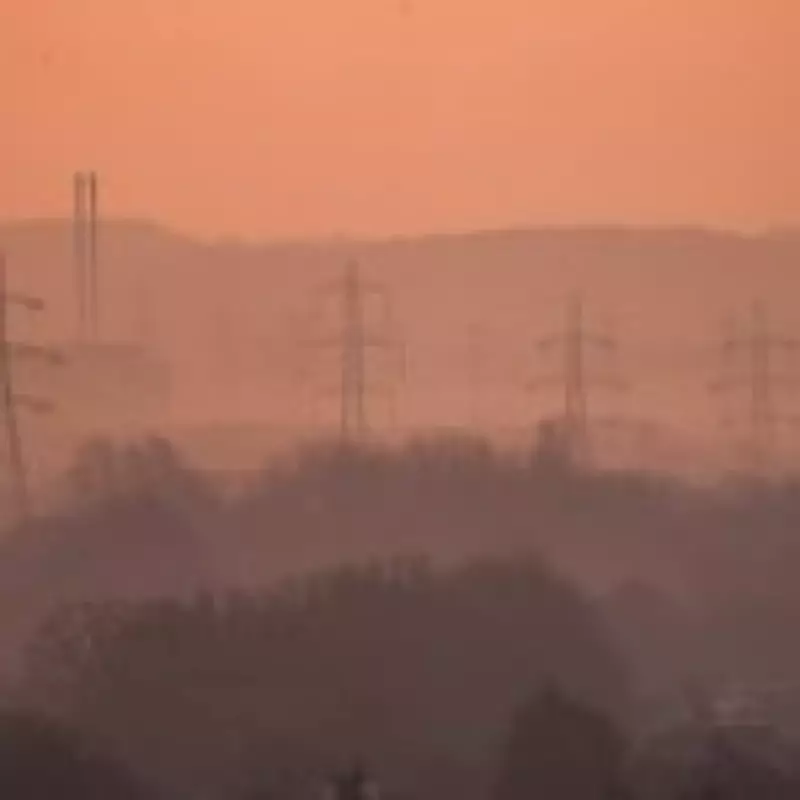
Additionally, the dust can create spectacularly colorful sunrises and sunsets, although overall dust concentrations are expected to remain relatively low. The Met Office has humorously suggested that car owners might want to postpone washing their vehicles until the dust clears later in the week.
This event underscores the interconnectedness of global atmospheric systems and their direct impact on public health in regions far from the dust's origin.