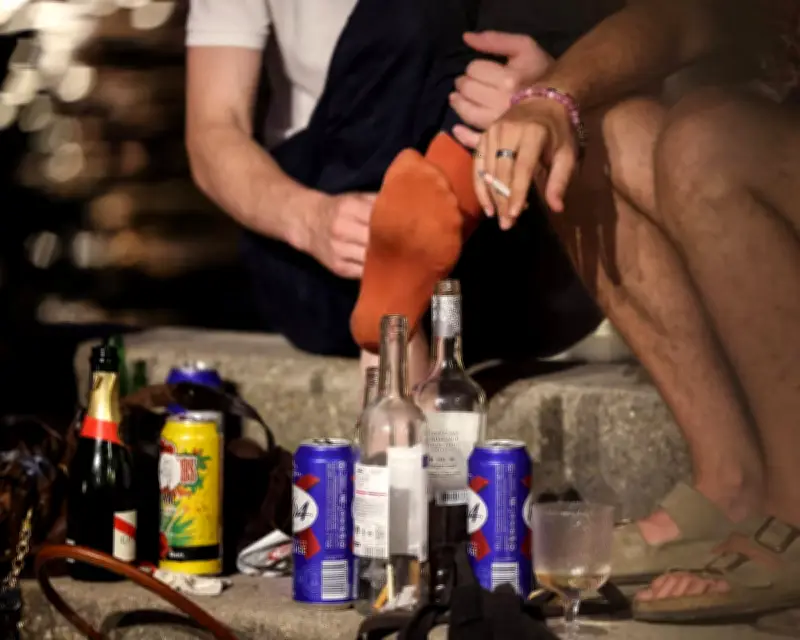
Paris has introduced a temporary ban on drinking alcohol in public to reduce pressure on hospitals after a four-fold rise in cardiac arrests in a 24-hour period during a record-breaking European heatwave.
Why alcohol is dangerous in a heatwave
Alcohol acts as a diuretic, causing the body to lose more water than it gains. According to Prof Ron Maughan, an honorary professor at the University of St Andrews who has worked with the British Olympic Association, every 1ml of alcohol stimulates the body to produce about 10ml of urine. A 25ml nip of 40% whisky contains 10ml of alcohol and 15ml of water, leading to a net water loss of 85ml. However, a pint of 5% beer contains about 28ml of alcohol, stimulating about 280ml of urine, but the body gains about 260ml of water. “You’re better off with that pint of beer, you are more hydrated than you would be if you didn’t drink it,” Maughan said. But drinking many pints can cause difficulties due to the sheer volume stimulating urination.
Risk of heart attack and heatstroke
Heat and alcohol can put immense strain on the heart. In hot weather, people sweat more, causing a drop in blood volume, while blood vessels near the skin widen to help lose heat. Alcohol magnifies this widening, leading to a drop in blood pressure. The heart then has to work harder to ensure enough oxygen reaches the brain and other organs. If the heart cannot match the demand, people can feel dizzy and collapse. Dehydration can also cause loss of sodium, potassium and magnesium, leading to arrhythmias or irregular heart beats. In severe cases, the heart itself may receive too little blood, potentially leading to a heart attack. “If there is too little blood and the pump function is not good and you have arrhythmia, you may have a problem in supplying your own heart with blood,” said Prof Helmut Seitz at the University of Heidelberg in Germany.
Drinking alcohol in a heatwave also dramatically raises the risk of heatstroke, as dehydration and alcohol's effects on the brain make it harder for the body to regulate its core temperature. People are less likely to spot warning signs such as slurred speech, headache, feeling sick and a racing heart.
Do alcohol bans help?
Seitz said there was a lot of sense behind the Paris ban. Beyond the risky physiological effects, alcohol impairs judgment, increases aggression and leads to more risk-taking. “You risk more than you should do. You jump into the water and break your neck, or jump in and have an infarction [heart attack] because of the shock,” he said.
Is it best to have no alcohol?
Not necessarily. “There’s a danger the advice can be counterproductive,” said Maughan. Having the odd pint of weak beer can help with hydration, but if people are warned off all alcohol, they may not replace it with water, juice or other drinks. He suggests that people who want to drink stick to a couple of pints of weak beer or shandy. “You reduce the alcohol content, but maintain the volume,” he said.