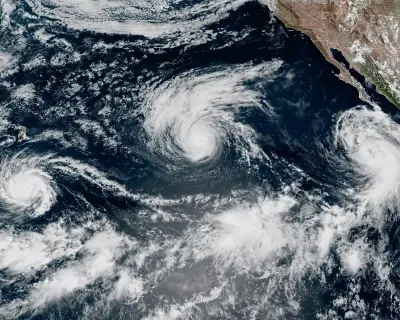
Kona Storm Brings Destructive Winds to Hawaiian Islands
A powerful Kona storm has swept across Hawaii, unleashing intense winds that have caused significant disruption and damage throughout the archipelago. This weather event, characterized by its southerly winds and heavy rainfall, has impacted daily life, infrastructure, and travel, with local authorities issuing warnings and advisories to ensure public safety.
Widespread Impact on Infrastructure and Services
The storm's strong gusts have led to numerous power outages across multiple islands, leaving thousands of residents without electricity. Utility crews are working tirelessly to restore service, but fallen trees and debris have hampered efforts, prolonging the outages in some areas. In addition to power issues, the winds have caused property damage, including downed fences, roof shingles torn off homes, and minor structural issues in older buildings.
Transportation has been severely affected, with several flights canceled or delayed at major airports such as Honolulu International Airport and Kona International Airport. Airlines have advised passengers to check their flight statuses before heading to the terminals. On the roads, fallen branches and debris have created hazardous driving conditions, prompting officials to close some routes temporarily for cleanup and safety assessments.

Community Response and Safety Measures
Local emergency services have been on high alert, responding to calls related to the storm's effects. Fire departments and police units have dealt with incidents ranging from downed power lines to minor injuries from flying debris. Residents have been urged to stay indoors, secure loose outdoor items, and avoid unnecessary travel until the winds subside. Shelters have been opened in some communities for those whose homes have been compromised or who lack power.
The National Weather Service has maintained wind advisories and warnings, forecasting that the storm's intensity may fluctuate but could persist for several more hours. Meteorologists note that Kona storms are a common occurrence in Hawaii during the winter months, but this event has been particularly severe due to its sustained wind speeds and broad geographic reach.
Long-term Implications and Recovery Efforts
As the storm begins to weaken, attention is turning to recovery and assessment of the damage. Initial estimates suggest that the financial impact could be substantial, with costs related to repairs, lost business, and emergency response. Insurance companies are already receiving claims, and local governments are coordinating with state agencies to provide assistance to affected residents and businesses.
Environmental concerns have also arisen, as the winds have stirred up dust and debris, potentially affecting air quality in some regions. Additionally, coastal areas are experiencing high surf and erosion, though no major flooding has been reported so far. Officials emphasize the importance of preparedness for future storms, highlighting lessons learned from this event to improve resilience and response strategies.
In summary, the Kona storm has demonstrated the vulnerability of Hawaii to severe weather, underscoring the need for ongoing vigilance and community cooperation. While the immediate focus remains on safety and recovery, this event serves as a reminder of the islands' dynamic climate and the challenges it can pose.