Environmental organisations have issued a stark warning after discovering toxic mixtures of pesticides, described as "pesticide cocktails", within apples sold throughout Europe. The findings come from a comprehensive study conducted by Pan Europe, a coalition of non-governmental organisations campaigning against pesticide use.
Widespread Contamination Across the Continent
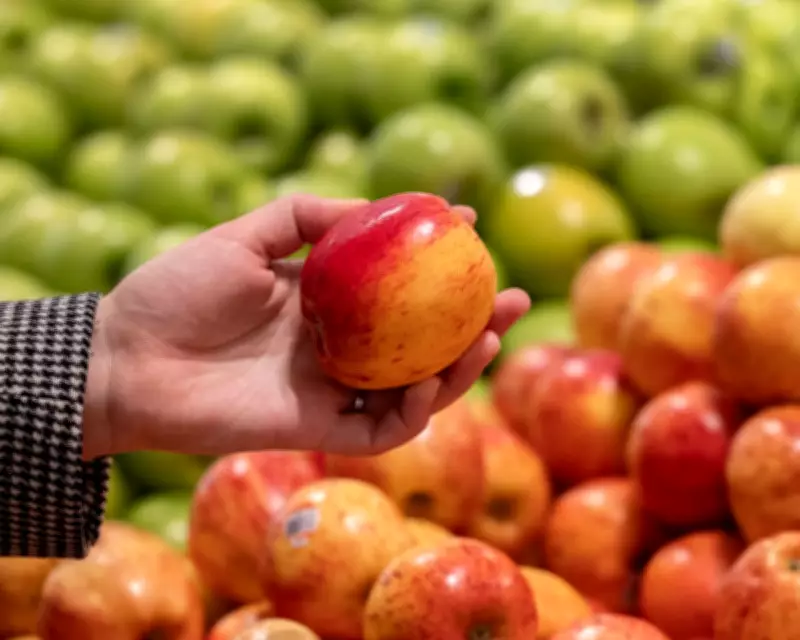
Pan Europe purchased approximately sixty apples from thirteen different European nations, including major producers such as France, Spain, Italy, and Poland. These samples were then rigorously analysed for chemical residues. The results were concerning: a significant eighty-five percent of the apples tested contained several pesticide residues. Alarmingly, some individual apples showed traces of up to seven distinct chemical substances.
High Levels of Hazardous Substances Detected
In seventy-one percent of cases, the analysis detected pesticides classified among the most hazardous within the European Union. These are known as "candidates for substitution", chemicals that the bloc aims to phase out as swiftly as possible due to their high risk profile.

Furthermore, the study revealed that sixty-four percent of the apple samples contained at least one per- and polyfluoroalkyl substance (PFAS). These are often termed "forever chemicals" due to their persistence in the environment and their widespread presence in everyday products.
The Concerning 'Cocktail Effect'
While pesticide residues are permitted in the EU below specific maximum levels for individual substances, Pan Europe has highlighted the significant risk of the "cocktail effect". This occurs when consumers are exposed to several different pesticides simultaneously within a single food product. The cumulative impact of these combined chemicals is not fully understood and represents a major gap in current food safety assessments.
Martin Dermine, a senior official at the Pan Europe coalition, criticised the current regulatory approach. He stated that the European Food Safety Authority assesses pesticides on an individual basis, rather than evaluating the potential risk from "multiple exposure" to several substances at once. "In this report, we show that 85% of the apples have multiple residues, and we don't know if they are safe for consumption or not," Dermine said, pointing to potential links to serious health issues including cancer and infertility.
Stricter Standards for Vulnerable Groups
The report made a striking comparison regarding safety standards. Pan Europe noted that if the same apples were sold as processed baby food, a staggering ninety-three percent of the samples would be banned from sale. This is because their pesticide residue levels would exceed the much stricter limits set by the EU to protect children under three years old. EU regulations are intentionally more rigorous for baby foods to safeguard early developmental stages.
Consumer Advice and Agricultural Context
In light of these findings, Pan Europe has advised consumers to take precautionary measures. The coalition recommends purchasing organic apples, which are grown without synthetic pesticides, or thoroughly peeling conventionally grown apples before eating them to reduce potential chemical exposure.
Apples are among the most popular fruits in Europe and represent the most widely cultivated fruit within the EU, with Poland, Italy, and France being leading producers. They are also one of the most heavily treated fruits. Pesticides are used extensively, particularly to combat apple scab, which is the primary fungal threat to orchards. On average, apples receive about thirty-five pesticide treatments annually, with more than half of these specifically targeting this pervasive disease.
The study underscores ongoing concerns about agricultural practices, food safety protocols, and the need for more comprehensive risk assessments that account for the combined effects of multiple chemical exposures in our daily diet.