Tropical Cyclone Fina has unleashed its fury across Australia's Northern Territory, leaving a trail of destruction with widespread power outages and significant building damage throughout the Top End region.
The severe weather system made its presence felt with particular intensity, bringing destructive gales and torrential rainfall that tested infrastructure and emergency response capabilities to their limits.
Widespread Power Failures and Infrastructure Damage
More than 5,000 properties found themselves without electricity as the cyclone's powerful winds tore through power lines and damaged essential infrastructure. The power cuts affected numerous communities, creating challenging conditions for residents already battling the severe weather.

Buildings across the region suffered substantial damage, with reports emerging of structural compromises and property losses. Emergency services remained on high alert throughout the event, responding to numerous calls for assistance as the cyclone maintained its intensity.
Meteorological Timeline and Impact Assessment
The Bureau of Meteorology had been closely monitoring Tropical Cyclone Fina's development and path, issuing regular warnings to keep residents informed about the impending severe weather conditions. The cyclone formed under specific atmospheric conditions that allowed it to gather strength before making its impact on populated areas.
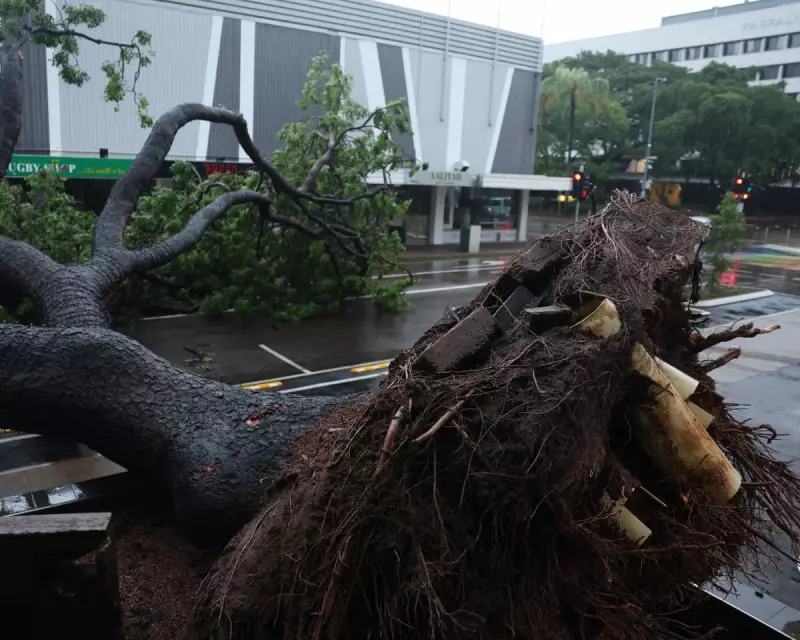
Wind speeds reached destructive levels, with gusts powerful enough to uproot trees, damage buildings, and create dangerous flying debris throughout affected communities. The accompanying torrential rain led to localised flooding in some areas, further complicating the situation for emergency responders and residents alike.
Emergency Response and Recovery Operations
Emergency services coordinated a comprehensive response to the cyclone's impact, prioritising public safety while beginning the arduous task of damage assessment. Utility companies immediately mobilised repair crews to address the widespread power outages, though officials warned that full restoration could take considerable time given the extent of the damage.
Authorities established emergency shelters for residents whose homes became uninhabitable due to structural damage or flooding. The recovery effort is expected to be substantial, with initial assessments indicating significant repair work will be required across multiple communities affected by Tropical Cyclone Fina's path.
As the immediate threat passes, attention turns to the cleanup operation and supporting affected residents through what will likely be a challenging recovery period. The event serves as a stark reminder of the powerful forces of nature that can impact northern Australian communities during cyclone season.