Britons hoping for a festive blanket of snow this Christmas are set for disappointment, with forecasters stating a white Christmas is 'highly unlikely'. However, a significant cold snap has prompted health warnings for parts of the country.
Cold Health Alert Issued for Vulnerable
The UK Health Security Agency (UKHSA) has taken action by issuing a yellow cold health alert. It will be in force from 6pm on Christmas Day until 12pm on 27 December for south-west England.
The agency warned that the plunging temperatures are expected to impact health and social care services. The alert highlights an 'increased use of healthcare services by vulnerable people' and poses a 'greater risk to life' for those most at risk from the cold.
Christmas Day Forecast: Dry, Bright, and Chilly
According to Met Office spokesman Oli Claydon, Christmas Day will bring 'pretty decent' and mainly dry conditions across the UK, dominated by high pressure.
'High pressure is now firmly in control of the weather across the UK, bringing a much more settled spell, and also cooler temperatures than we've had of late,' Claydon explained.
The south of England will enjoy a bright start, with the sunshine extending to Wales as cloud clears. Northern areas will be cloudier initially, but 'some good sunny spells' are expected to develop by lunchtime. A notable feature will be a strong easterly wind, particularly gusty along the south coast of England.
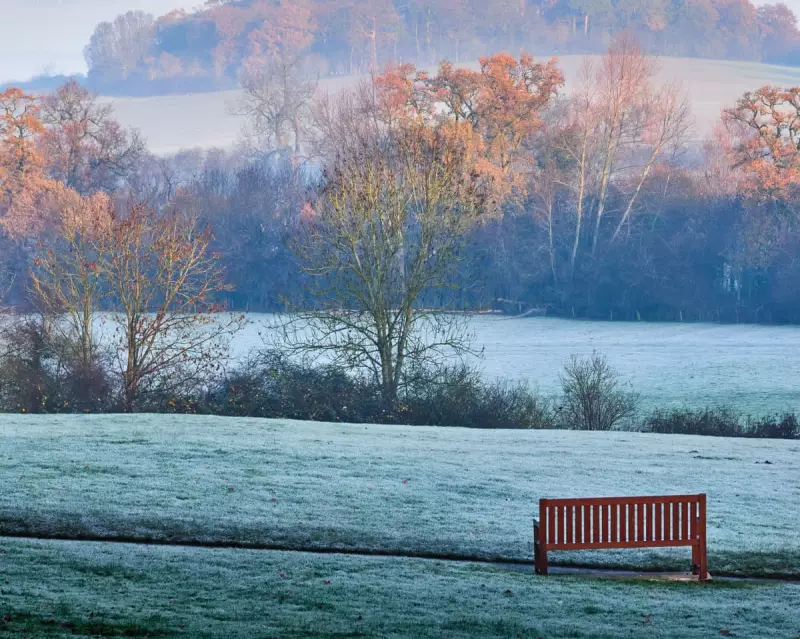
While dry, it will feel cold. The highest temperatures are forecast to be around 7°C in north-east England and 6°C in the south or south-east. In contrast, rural Scotland could see temperatures plummet to minus 6°C from Christmas Day into Boxing Day, with rural Wales potentially dropping to minus 4°C. Widespread frost is expected in western rural areas.
Travel and the Festive Getaway
With the weather settled, many will be hitting the roads for festive visits. The RAC predicts that 4.2 million separate car journeys will take place on Christmas Eve, marking the peak of the getaway.
An RAC spokesperson advised: 'Traffic is expected to be heaviest on major roads between 1pm and 7pm, so our advice to drivers – especially those travelling longer distances – is to set out before this time if possible.'
They identified specific areas for potential congestion, including the clockwise northern and western sections of the M25 from mid-morning, and the M5 north from Gloucestershire towards the West Midlands later in the afternoon.
Despite the busy roads, regular commuter traffic is expected to be far lighter than on a typical weekday, offering some relief to travellers.