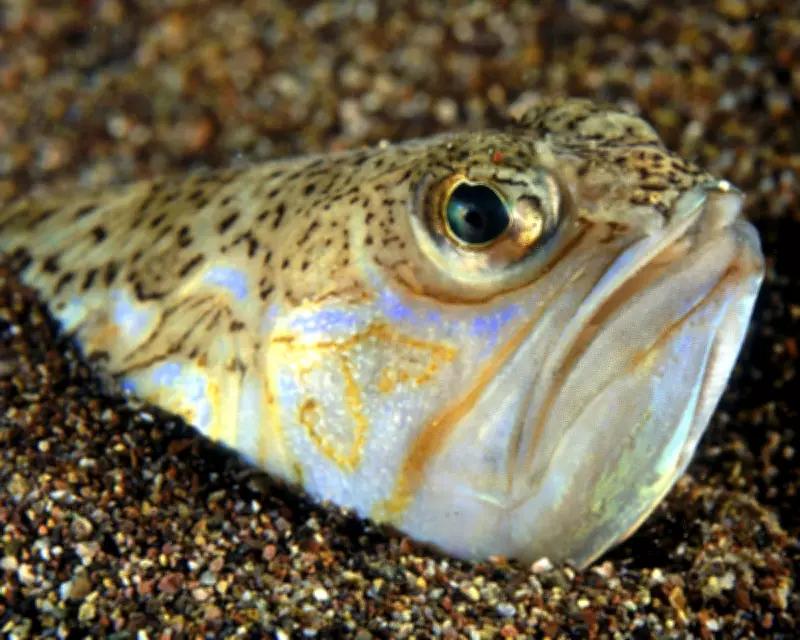
A Sting from the Past: The Weever Fish Warning
In 1906, the British countryside diary warned beachgoers about the dangers of the weever fish, a venomous creature lurking in the sand. The article recounted an incident where a group of boys from Manchester, camping on the Yorkshire coast, encountered one of these fish. One boy was pricked by the fish's venomous spines, causing swelling and pain, but luckily a doctor was present to treat him.
The weever fish, known scientifically as Echiichthys vipera, is a small but dangerous creature. It buries itself in the sand, often left exposed at low tide, making it easy for unsuspecting beachgoers to step on or handle. Its sting can cause severe pain, swelling, and even blood poisoning if not treated promptly. The article noted that shrimpers often suffer from these stings, which can lead to rapid and painful infections.
Despite the danger, the writer emphasized that the fish should not be blamed. "Why should it be molested?" the article asked, suggesting that a sting or two would teach a wholesome lesson about leaving wildlife alone. The writer lamented that small birds and frogs cannot retaliate against curious humans, implying that such natural defenses would reduce animal suffering.
Modern Relevance
Today, weever fish remain a hazard on European beaches, including the UK. Their venomous spines can cause intense pain, but with proper medical care, serious outcomes are rare. Beachgoers are advised to wear shoes in shallow water and avoid handling unfamiliar marine life. The historical warning from 1906 still resonates: respect for wildlife is key to avoiding harm.