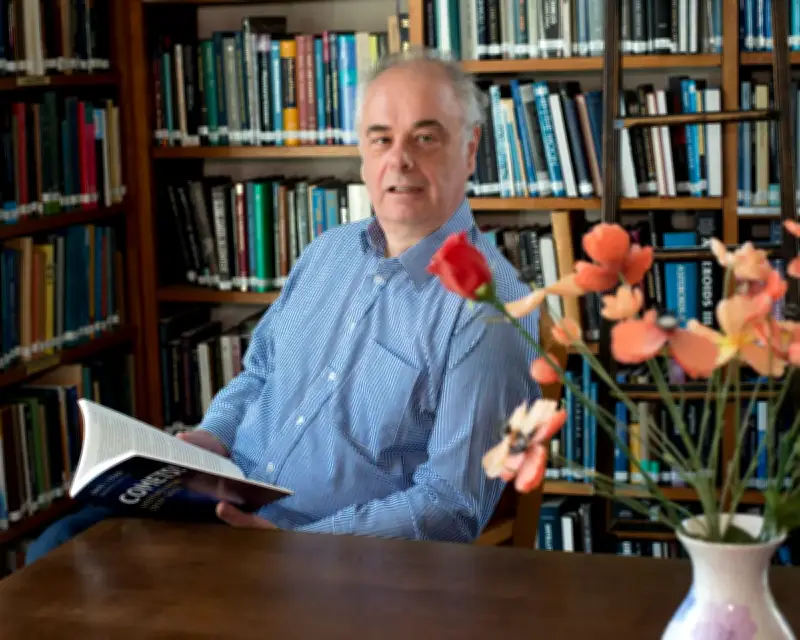
A Cambridge University employee who was dismissed after raising concerns about academic misconduct has won an employment tribunal, in a case that could have wider implications for whistleblowers in higher education.
Background of the Case
Wyn Evans, a former research associate at the university's Department of Biochemistry, was sacked in 2023 after he reported suspected data fabrication in a research paper. Evans, who has a PhD in biochemistry, had worked at the university for over a decade and was involved in a study on protein structures.
According to the tribunal judgment, Evans raised his concerns internally in 2022, but was subsequently subjected to a disciplinary process and dismissed in March 2023. The university claimed his dismissal was due to "gross misconduct" unrelated to his whistleblowing, but the tribunal found that the real reason was his protected disclosure.

Tribunal Ruling
The employment tribunal, held in Cambridge, ruled in Evans's favour on 11 August 2026. The judgment stated that Evans had made a "qualifying disclosure" under the Employment Rights Act 1996, and that his dismissal was "automatically unfair" because it was motivated by that disclosure.
The tribunal also criticised the university's handling of the case, noting that Evans had been "isolated and marginalised" after raising his concerns. It ordered the university to pay compensation, the amount of which will be determined at a future hearing.
Reactions and Implications
Evans's lawyer, Sarah Clarke of Leigh Day, said: "This is a landmark victory for whistleblowers in academia. It sends a clear message that universities cannot silence those who speak out about research misconduct."
The University of Cambridge said it was "disappointed" with the ruling and was considering an appeal. A spokesperson said: "We take allegations of research misconduct extremely seriously and have robust processes in place to investigate them. We will review the tribunal's decision in detail."
Broader Context
The case comes amid growing concerns about the treatment of whistleblowers in UK universities. A 2024 survey by the charity Protect found that 43% of academic whistleblowers who raised concerns about research integrity faced negative consequences, including dismissal or demotion.
Legal experts say the ruling could encourage more academics to come forward with concerns about fraud or misconduct. "This judgment reinforces that whistleblowing is a protected activity, and that employers who retaliate will face consequences," said Clarke.
The tribunal will reconvene to determine the compensation award, which could include damages for injury to feelings and loss of earnings. Evans said he hopes the case will "encourage others to speak out without fear of reprisal."