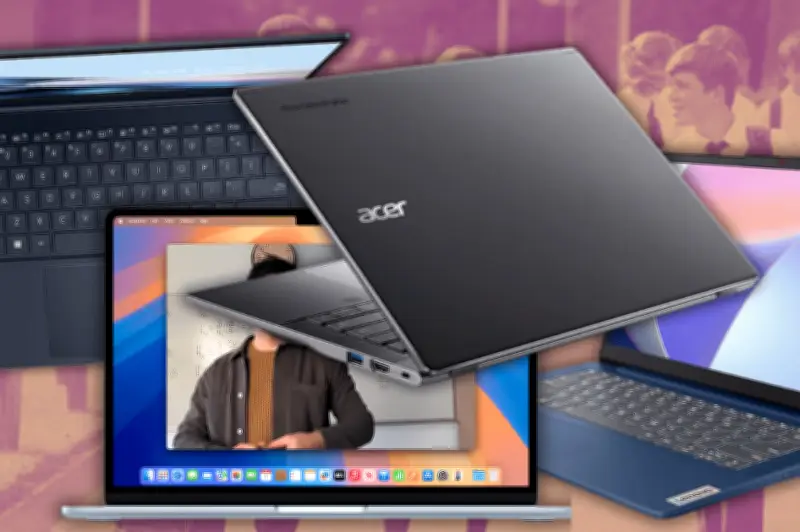
As the new school year approaches, parents and students across the UK are on the lookout for the perfect laptop to support secondary education. With a wide range of options available, from budget-friendly Chromebooks to high-performance MacBooks, choosing the right device can be overwhelming. This guide breaks down the best laptops for secondary school students in 2026, focusing on key factors like durability, battery life, and educational software compatibility.
Why the Right Laptop Matters for Secondary Students
Secondary school students increasingly rely on laptops for homework, research, and online learning. A reliable laptop can enhance productivity and ensure students keep up with coursework. According to a recent survey, 87% of UK secondary schools now use digital platforms for assignments, making a personal device almost essential. The right laptop should be robust enough to withstand daily use, have sufficient battery life to last a school day, and support essential applications like Microsoft Office or Google Workspace.
Top Picks for Budget-Conscious Families
For families on a tighter budget, Chromebooks remain a popular choice. The Acer Chromebook 315 offers a 15.6-inch display, 4GB RAM, and 64GB eMMC storage, priced at around £250. It boots up quickly and is ideal for web-based tasks and Google Classroom. Another excellent option is the Lenovo IdeaPad 3 Chromebook, which features a compact design and a battery life of up to 10 hours, perfect for a full school day. These devices are lightweight, making them easy to carry in a backpack.

Mid-Range Laptops for Versatile Performance
If the budget allows, mid-range Windows laptops offer more flexibility. The HP Pavilion 14 is a strong contender, equipped with an Intel Core i5 processor, 8GB RAM, and a 256GB SSD, retailing at approximately £500. It can handle multitasking and light gaming, and it supports both Windows and Android apps. Another great pick is the Dell Inspiron 15 3000, known for its comfortable keyboard and reliable performance. These laptops are suitable for students who need to run software like Adobe Photoshop or basic coding environments.
Premium Options for Advanced Needs
For students studying computer science, design, or other demanding subjects, a premium laptop is worth the investment. The Apple MacBook Air (M2) is a top choice, offering a stunning Retina display, up to 18 hours of battery life, and a silent, fanless design. It is priced around £1,099 and is excellent for creative software. Alternatively, the Microsoft Surface Laptop 5 combines style with power, featuring a 13.5-inch touchscreen and an Intel Core i7 processor, starting at £1,199. These laptops are built to last and provide a smooth user experience.
Key Features to Consider
When selecting a laptop for secondary school, consider the following features:
- Battery Life: Aim for at least 8 hours to last through classes and homework.
- Durability: Look for spill-resistant keyboards or rugged designs, especially for younger students.
- Weight: A lighter laptop (under 1.5kg) is easier to carry.
- Connectivity: Ensure it has Wi-Fi 6 for fast internet, plus USB ports for peripherals.
- Operating System: Match it to the school's preferred platform (Windows, Chrome OS, or macOS).
Expert Advice and Recommendations
According to tech expert Sarah Johnson, "The best laptop for a secondary student is one that balances performance, durability, and price. Chromebooks are excellent for younger students, while older students may benefit from the versatility of a Windows laptop or a MacBook." She also advises parents to check with the school for any specific requirements before purchasing.

Conclusion
Choosing the right laptop for secondary school in 2026 depends on individual needs and budget. From the affordable Acer Chromebook to the premium MacBook Air, there is a device to suit every student. By prioritising battery life, durability, and the necessary software, parents can ensure their child is well-equipped for the academic year ahead. For more detailed reviews and comparisons, visit reputable tech websites and consult school recommendations.