In 1986, the 1980s were the golden age for annoying little brothers. Before smartphones and tablets dulled mischief, a pesky sibling could torment an older sister with mimicry, tickle torture, or removing bunk-bed slats so she crashed down like Wile E. Coyote. That December, one sliver of common ground emerged: both siblings wanted to see Labyrinth. The author, a hardcore Muppets fan, was drawn by Jim Henson's fantasy flick generating playground buzz—unaware it had tanked at the US box office, breaking Henson's heart. The sister, a teenage girl, likely hoped to learn incantations from a film about summoning goblins to kidnap a baby brother.
A Christmas ceasefire and a goblin king
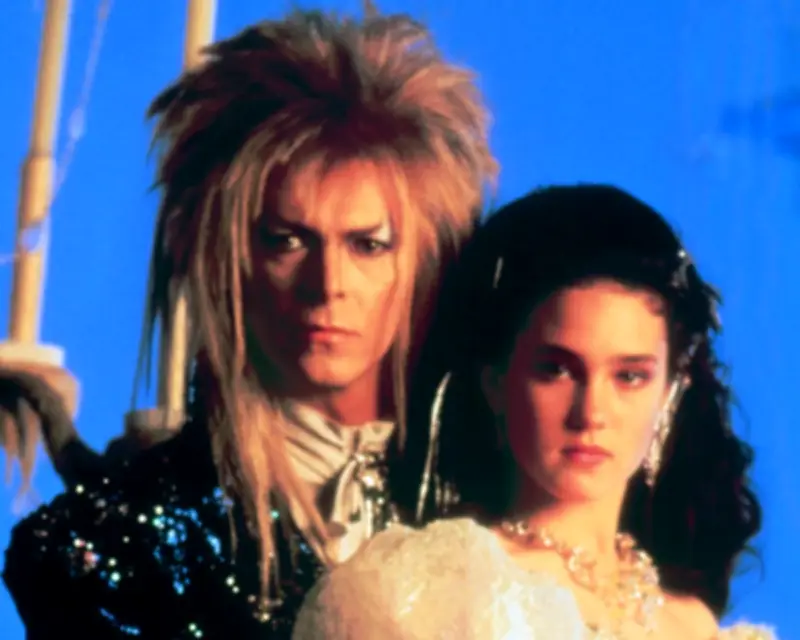
Presented with the terms of a Christmas ceasefire—and intrigued by David Bowie as Jareth the Goblin King, plus a script credited to Terry Jones (the Python star later claimed the story was wrestled from him)—the parents booked tickets. Labyrinth opens with Sarah (Jennifer Connelly) running home in the rain, late for babysitting, as tiny Toby shrieks amid thunderclaps. With button eyes flashing, she offers the Where's Wally-suited tot to goblins—the moment they appear was the author's second-ever jumpscare, after the Ghostbusters library poltergeist. Suddenly, with Tina Turner hair and daring leggings, Bowie arrives to set the challenge: Sarah must complete his extravagant maze in 13 hours or damn her brother to permanent goblin mode.
An anti-AI manifesto of practical effects
Henson's final project remains, the author believes, the most imaginative, beautifully made, and utterly human film—watch it now and it feels like an anti-AI manifesto. Viewers want to reach out and touch everything on screen, and thanks to the largely practical-effects ethos, they could have. Even Bowie's crystal ball-twiddling was real, performed from behind by master juggler Michael Moschen. By the director's admission, the plot dips into The Wizard of Oz, Alice in Wonderland, and especially Maurice Sendak (the author's books were placed on Sarah's nightstand, and a thank-you note left in the credits to sweeten his legal team). But Labyrinth is its own monster: witty, weird, eerie, scatological, Python-absurd, and profound—an anything-goes vibe that would likely be squashed by meddling studio execs if the long-mooted reboot ever happens.

Shared enjoyment and forgotten sequences
In '86, through surreptitious sideways glances, the author sensed his sister enjoying it as much as he did. There was the turkey-hatted Wiseman at war with his own headpiece, Ludo the shagpile gentle giant who might have achieved Chewbacca-style immortality in a more profitable universe, and the Fire Gang whose detachable-limbs routine starts riotous but turns sinister (“We're going to pull your head off!”). Rewatching the film, the author felt the same jolt of joy from flagship moments: the Magic Dance routine (Bowie tossing Toby sky-high like an idiot dad at the park), the Bog of Eternal Stench parping like a minibus of rugby players, and the Escher-inspired staircase finale whose impossibility makes Backrooms look prosaic. But he had forgotten the incredible sequence where Sarah falls into a thicket of moss-green hands forming leering faces, and was surprised young-me made it through the masquerade ball, its grotesque, cackling aristocrats evoking the warped-fairytale dread of Neil Jordan's The Company of Wolves.
The scene that reset sibling bonds
Most treasured is the scene that reset the author's relationship with his sister. Hazy-headed from an enchanted peach, Sarah stumbles into a replica of her bedroom while a bustling crone distracts her with toys and trinkets, reducing the mission to a half-remembered throb. The author was thrilled when Sarah snaps back into focus, smashing this hollow facsimile and setting off with renewed vigour. Now, it resonates even louder: adult life turns heads with shiny, superficial baubles, but it's up to us to keep eyes on what truly matters—having your sibling's back “through dangers untold and hardships unnumbered” (or job crises, relationship woes, and ailing parents). The author and his sister never battled so hard again after that. Now, with a squabble-prone son and daughter of his own, Labyrinth has a dual purpose: Henson's masterpiece is not only his feelgood movie but the best peace offering he knows.

Labyrinth is available on Netflix, Hulu and Peacock in the US, Amazon Prime in the UK and Australia.