Week in Wildlife: A Tiny Harvest Mouse, Bagel Cats, and a Rhino Out for a Stroll
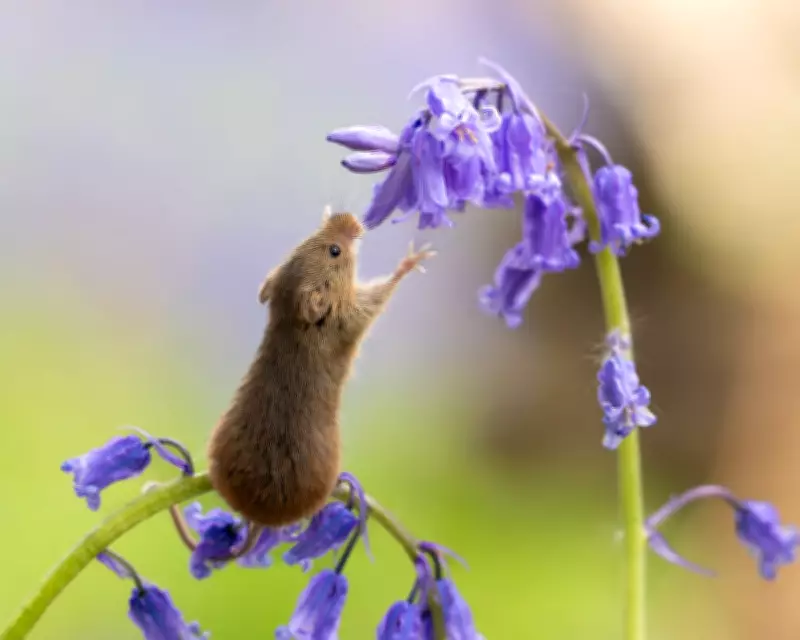
This week’s best wildlife photographs from around the world capture remarkable moments, from a harvest mouse making itself tall in York, UK, to a wild Indian rhino wandering the streets of Sauraha in southern Nepal. The rhino, which came from nearby Chitwan National Park, highlights the success of Nepal’s conservation program, which has seen the wild rhino population increase more than sevenfold. However, this has led to increased human-wildlife conflict, sometimes with fatal outcomes. Nepalese officials are now educating residents on safety measures.
Osprey Returns to Scotland
Louis the osprey has returned to Loch Arkaig pine forest in Scotland, UK, just in time for breeding season. Louis and his previous mate, Aila, became a hit during the 2020 Covid lockdown via a live nest camera. His fans were relieved when he finally returned from migration this week, more than a fortnight later than expected, just in time to see off a rival osprey dubbed the “toyboy” who had been eyeing Louis’ current mate, Dorcha.
Florida Spoonbill and Louisiana Alligator
In St Augustine, Florida, a roseate spoonbill chick sits with its parents in a rookery, displaying its pretty pink feathers. Meanwhile, an alligator soaks up the sun on the Mississippi River in Harahan, Louisiana.

Baby Fox Treated Near Paris
Outside Paris, France, a tiny female fox cub is being treated at the Wildlife Veterinary Hospital in Maisons-Alfort. Found alone in a garden with no sign of her mother, a team of volunteers now cares for her around the clock to ensure she gains enough weight.
Wildlife in Chernobyl Exclusion Zone
In Ukraine, a wild deer walks in front of a camera trap in the Chornobyl exclusion zone. High radiation levels prevent human habitation, but wildlife populations have rebounded, with wolves, horses, lynx, moose, and dogs thriving. Researchers have noted some changes due to radiation, such as birds developing cataracts, but mass die-offs have not occurred as some expected.
Capybara and Grasshopper Close-Up
A capybara and its cub cool off in the Pinheiros River in São Paulo, Brazil. An extreme close-up gives a grasshopper’s-eye view of a rain-speckled clover leaf in Oregon, US.
Rescued Rabbits from North Sea Drilling Rig
Three baby rabbits were rescued after being found on a drilling rig in the North Sea. It is thought the bunnies took up residence in an offshore container in Dundee, having found a warm place to hide.
Wild Yak and Stray Cats in Istanbul
A well-insulated wild yak roams the Bamoqongzong extinct volcanic cluster area in China’s Xizang autonomous region. In Istanbul, Turkey, stray cats curl up in an abandoned simit cart, once used to sell bagel-like snacks.
Lemur, Wild Boar, and Grey Seals
A sportive lemur perches on a tree in Madagascar’s Spiny Forest, one of the world’s 200 most important ecological regions. Wild boar in Shenzhen, southern China, benefit from ecological trails and eco-friendly facilities. Grey seals rest on a sandy islet in the Baltic Sea near Mikoszewo, Poland, as the sun sets.
Barbary Macaque and Baya Weaver Bird
A Barbary macaque chewing on soil in Gibraltar has learned that swallowing soil can quell upset stomachs caused by eating sweet and salty snacks from tourists, according to a Cambridge University study. In Assam, India, a baya weaver bird works on its impressive nest.
Przewalski’s Horses and Walrus
Przewalski’s horses thrive in the Kalamaili nature reserve in northwest China, once extinct in the wild but now successful thanks to reintroduction. A walrus rests in a harbour in north-east Scotland, believed to be the same one recently seen injured in Orkney, now thought to have swum to mainland Scotland. The public has been warned to stay away and let it recover.
Zebras and Harvest Mouse
Zebras graze at Hell’s Gate National Park in Kenya’s Great Rift Valley. Finally, a tiny harvest mouse makes itself tall in York, UK, capturing the essence of this week’s wildlife wonders.