The 2026 Eurovision Song Contest in Vienna has been marked by unprecedented security concerns, yet attendees report a surprisingly calm atmosphere. Journalist Pierra Willix, who covered the event, described the mood as shocking but pleasant, given the heightened tensions leading up to the contest.
Security Briefing and Preparations
Before traveling to Vienna, Willix received a security briefing on how to handle tear gas and protests. This year marks the 70th anniversary of Eurovision, created after World War II to unite Europe through music. However, the contest has faced controversy over Israel's participation amid its war in Gaza, leading to boycotts from Spain, Ireland, the Netherlands, Iceland, and Slovenia.
High Security Measures
Vienna police described the event as one of the biggest security challenges, with deputy police chief Dieter Csefan calling it a 'complex challenge.' The city was on high alert for terrorist threats, and 16,000 staff underwent strict vetting. Airport-level security screenings were implemented at venues.
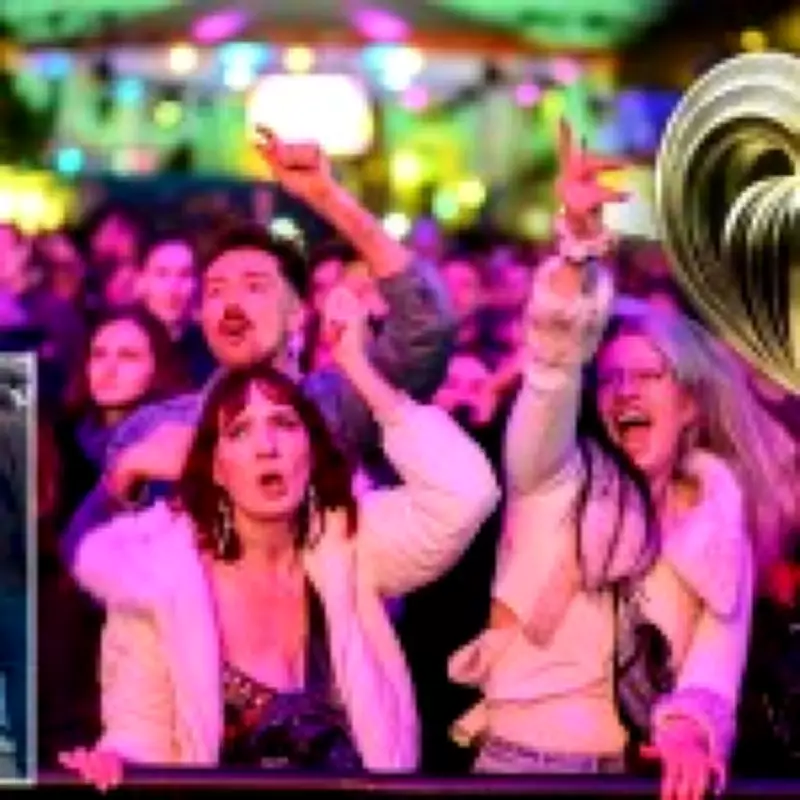
Despite these measures, the atmosphere has been calm. Attendees praised the efficient security checks at Wiener Stadthalle and Eurovision Village, with many feeling safer due to the increased presence. Crowd control was seamless, and protests have been minimal, possibly due to Austria's support for Israel.
Comparison to Previous Years
In 2025, Basel saw pro-Palestinian demonstrations and heavy police presence. In 2024, Malmö experienced tense interactions, with fans reporting hostility. This year, however, the mood in Vienna has been notably different, with a lack of Palestinian flags and few protests.
Ongoing Controversy
Despite the calm, the EBU faces criticism over Israel's inclusion. A protest is planned for Nakba Day on the eve of the final, with expected attendance of up to 3,000 people. Some fans question why Eurovision faces such scrutiny while other events, like the Winter Olympics, see less backlash.
Willix concluded that Eurovision still represents unity through music, but the EBU must address the current divide. The contest continues to attract fans from over 70 countries, with 95,000 tickets sold for live shows.