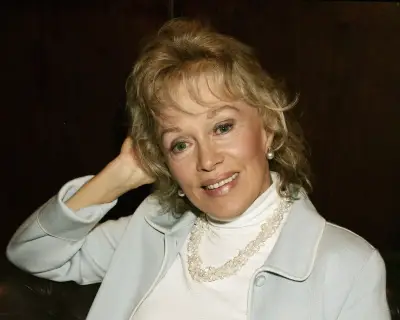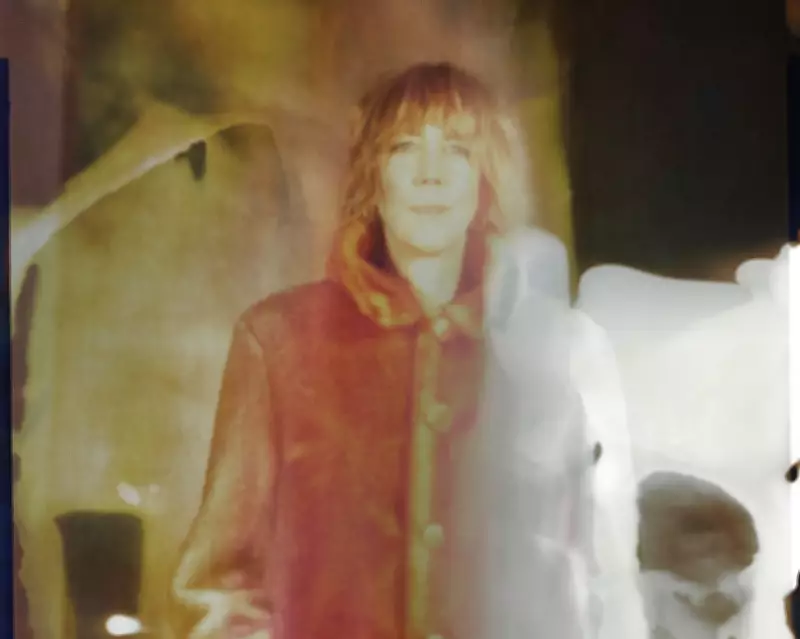
Singer-songwriter Beth Orton opens up about her creative process, early influences, and the challenges of making a living from music in a candid interview ahead of her new album, The Ground Above.
Discovering Her Voice
Orton recalls finding her singing voice during an experimental theatre project in 1989. 'My biggest fear was singing in public, and I wanted to do something I was afraid of,' she explains. She transformed a Rimbaud poem into what she imagined was a blues song and loved it. After the performance, producer William Orbit, then 37, saw potential in the 19-year-old Orton. 'He decided: "She can sing. I will make a star of her,"' she says. Despite years of success, Orton still struggles to see herself as a singer. 'Even last week I was like: "Oh yeah, I guess I am a musician." I still can't quite get my head around that.'
Inspiration vs. Craft
When asked about her songwriting process, Orton describes a blend of inspiration and hard work. 'I get inspired and that's why I write,' she says. Ideas often spark during walks in nature or conversations, leading to notes that later find their way into chords. 'Melody, words, and chords often come together at once,' she notes. The challenging part is translating unconscious inspiration into conscious craftsmanship. 'It can make your skin crawl because it's hard to write a good song,' she admits.

Early Musical Memory: David Bowie
Orton's earliest musical memory involves her brother playing David Bowie's Oh! You Pretty Things. 'I was probably about nine, and we lived in a two-up, two-down in Norwich,' she recalls. 'Anything he played was loud. Mostly it was raging punk rock, but that track woke me up, and I heard something that made me feel excited for life.'
Influence of John Martyn
John Martyn was a huge influence, but when Orton met him, he wasn't keen on her covering his songs. 'It didn't put me off – I still love his music,' she says.
Underground Serenade
Orton shares a memorable moment from the late 1990s when a whole tube carriage sang her song She Cries Your Name after spotting her. 'I didn't join in,' she laughs. 'It was really sweet – I was chuffed and happy.'
Mid-90s Chaos
Regarding her collaboration with the Chemical Brothers on Where Do I Begin, Orton confirms it reflects the chaos of the mid-90s. 'Yes. Definitely. It's hard to remember, but what I do remember was really fun.'
Reflecting on Central Reservation
Orton had mixed feelings about her 1999 album Central Reservation, feeling pressured into its sound. 'There were certain things that didn't feel like they were coming from me,' she says. However, she continues to reimagine the songs live. 'What happens now is I sing these songs live and I am still reimagining them.'
Financial Survival
Making a living from original music outside the mainstream is challenging, Orton admits. 'It is not easy. I think the lucky break is if you can make music for TV or films. That didn't happen for me, and I have had to support a family.' She considered getting a 'real job' but realized, 'I'm useless at everything, but I can make music, so I'll just keep doing that and hope for the best.'
AI and Music
Orton is concerned about AI's impact on music. 'It's pretty depressing,' she says. 'I still live in the hope that the real deal is the real deal and that only humans can make art the way humans can. I just can't see that AI is going to have any beneficial influence on humans.'
Lost Leaves and Future Projects
Her Lost Leaves record label idea stalled because she focused on new music. 'I started making new music and I was like: "I'm not looking back, I'm looking forward." I do still have these lost gems, but the new music is much more exciting to me.'
The Story Behind Feel to Believe
Orton recalls working with David Roback of Mazzy Star on Feel to Believe. 'I flew out to Oslo to meet him, and mainly the session was drinking red wine and watching an Elizabeth Cotten documentary,' she says. Roback encouraged her to play a demo, then refused to add more. 'He was like, my production is to teach you that you don't need to collaborate with anyone else. To this day, if I could capture live what he captured, I would.'

Music as Comfort
When troubled, Orton sometimes can't bear to listen to music because it hurts too much. 'So my own music has become a source of comfort,' she says. 'With the music I've been making, it's almost like I've wanted to make the sounds I most wanted to hear and write the songs that mean something that I don't find anywhere else.'
Beth Orton's new album, The Ground Above, is released 26 June on Partisan Records.