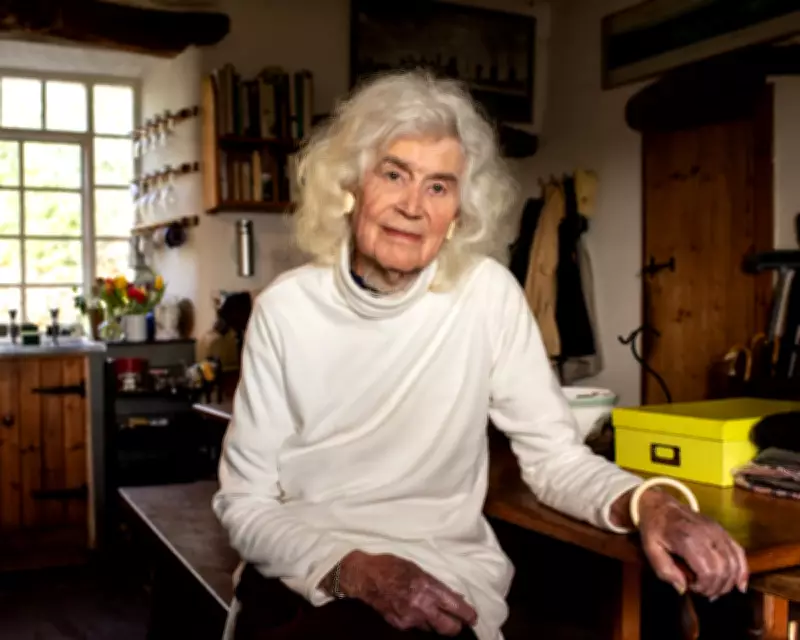
Sara Wheeler's Masterful Biography of Jan Morris: A Complex Portrait
Sara Wheeler's latest biography, Jan Morris, provides a comprehensive and insightful examination of the renowned writer's life and career. This masterful account delves into Morris's literary contributions, personal struggles, and the complexities that defined her as both a public figure and a private individual. Wheeler's narrative skillfully balances admiration for Morris's achievements with a candid exploration of her flaws, creating a rich and multifaceted portrait.
Exploring Jan Morris's Literary Legacy
Jan Morris, celebrated for her travel writing and historical works, is presented in Wheeler's biography as a towering figure in 20th-century literature. The book details Morris's prolific output, including her iconic works on cities like Venice and Oxford, as well as her groundbreaking reporting on historical events. Wheeler highlights Morris's unique voice and her ability to capture the essence of places and moments with poetic precision. Through extensive research and interviews, the biography underscores Morris's influence on contemporary travel writing and her role in shaping literary perceptions of global landscapes.
The Personal Struggles and Flaws of a Literary Icon
Wheeler does not shy away from addressing the more contentious aspects of Morris's life. The biography explores Morris's personal relationships, her transition in the 1970s, and the controversies that sometimes surrounded her work. Wheeler presents Morris as a flawed figure, grappling with issues of identity, ambition, and public scrutiny. This nuanced approach allows readers to see Morris not just as a literary giant, but as a human being with vulnerabilities and contradictions. The account is both empathetic and critical, offering a balanced view that adds depth to our understanding of Morris's character.

Wheeler's Narrative Technique and Biographical Insight
Sara Wheeler's biography is praised for its engaging prose and meticulous attention to detail. Drawing on a wealth of sources, including personal letters, diaries, and archival materials, Wheeler constructs a vivid timeline of Morris's life from her early years to her later reflections. The book also examines the broader cultural and historical contexts in which Morris wrote, providing insights into how her work intersected with social changes and literary trends. Wheeler's ability to weave together personal anecdotes with broader analysis makes this biography not only informative but also highly readable, appealing to both scholars and general readers interested in literary history.
In conclusion, Sara Wheeler's Jan Morris stands as a significant contribution to biographical literature. By presenting a masterly account of a flawed figure, Wheeler offers a compelling exploration of one of the most influential writers of our time. This biography enriches our appreciation of Jan Morris's legacy while inviting reflection on the complexities of artistic genius and personal identity.