Quiz Books Achieve Record Sales as Nonfiction Faces Decline
The publishing industry is witnessing a remarkable shift as quiz and trivia books experience their most successful year on record, while traditional nonfiction titles face a significant downturn. According to NielsenIQ BookData, the quiz category saw a substantial 24% increase in sales value in 2025 compared to the previous year, marking the best performance since records began in 1998.
The Human Urge for Trivia and Escapism
Publishers attribute this surge to a fundamental human desire for knowledge and diversion. Richard Green, a publisher at Quarto, explains that watching shows like University Challenge or Only Connect taps into a basic impulse to demonstrate expertise. "It's that compulsion to know useless trivia or show off knowledge," he says, noting that the industry has effectively capitalized on this trend.
This appetite for quizzes and puzzles is also seen as a form of good old-fashioned escapism from what Green describes as a "relentless" news cycle. In challenging times, solving puzzles provides a therapeutic outlet, according to Stephanie Duncan, editorial director at Transworld. "It's fun and therapeutic," she remarks, highlighting how these activities offer a mental break from daily stresses.

Top Sellers and Market Trends
The market has been driven by several standout titles. The 1% Club Quiz Book, published by Transworld, led the category last year with 166,000 copies sold, followed by a second volume moving 106,000 units. Another major contributor is Wordle Challenge, based on the popular New York Times game, which became one of the top sellers in the quiz segment.
Additionally, the murder mystery logic puzzle book Murdle, published in 2023, continues to perform strongly, selling 115,000 copies last year alone. Tim Clare, author of The Game Changers, points to the "unparalleled growth" of the board game industry during lockdowns as a precursor to this trend, with many people turning to sudoku, jigsaws, and cryptic crosswords for entertainment.
Shifting Consumer Habits and Digital Influence
Consumers are increasingly seeking alternatives to screen time, favoring physical books that offer a focused, single-serving experience. Clare notes that unlike digital devices, a book doesn't allow for checking work emails or social media, providing a genuine escape. Social media has also played a role by making games like cryptic crosswords more accessible through explainer channels, demystifying what was once seen as an "ivory tower impenetrable sort of shadow magic."
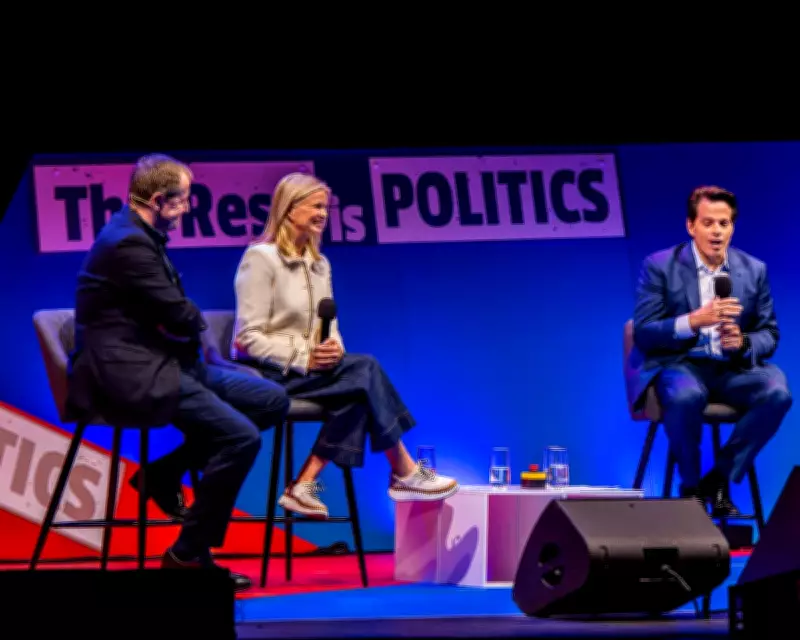
Moreover, there is a growing recognition of the crossover between readers and gamers. Retailers like Waterstones have adapted their strategies over the past six years to cater to this audience, understanding that ignoring this segment means "leaving money on the table." Many successful quiz books are spin-offs from popular podcasts and shows, such as The Rest Is Quiz and The Official Race Across the World Puzzle Book, reflecting a desire for more interactive and engaging formats.
Nonfiction's Struggles and Adaptation
In contrast, nonfiction sales have struggled, falling to their lowest level since 2014 with a 6% year-on-year decrease in sales value. Green, who publishes both quiz books and narrative nonfiction, acknowledges the difficulty, stating, "It's a real struggle, the market's difficult." However, he views this as part of the natural publishing cycle rather than a permanent decline.
Reader demand for true stories remains robust, according to Sara Cywinski, nonfiction publisher at Pan. She cites recent bestsellers like Nobody's Girl by Virginia Giuffre and Careless People by Sarah Wynn-Williams as evidence. Nonetheless, consumption habits are evolving. Cywinski observes that while physical nonfiction book sales have dipped, audiobooks are surging due to their convenience, with the audio version of Careless People achieving massive success.

The Future of Publishing Formats
The landscape is further shaped by alternative platforms such as Substack, where essayists and journalists publish directly to subscribers, and YouTube video essays and podcasts. Clare notes that work that might have previously been released as a book is now often serialized online. "I don't think these are bad forms of media," he says, "but my heart is in the nonfiction book."
Ultimately, the success of quiz books underscores a broader trend toward interactive and escapist content, while nonfiction adapts to new formats and consumer preferences. As the industry navigates these changes, the enduring appeal of puzzles and trivia highlights a timeless human craving for knowledge and mental engagement.