Fiona Sampson's 'Becoming George' Sheds Light on a Hidden Literary Figure
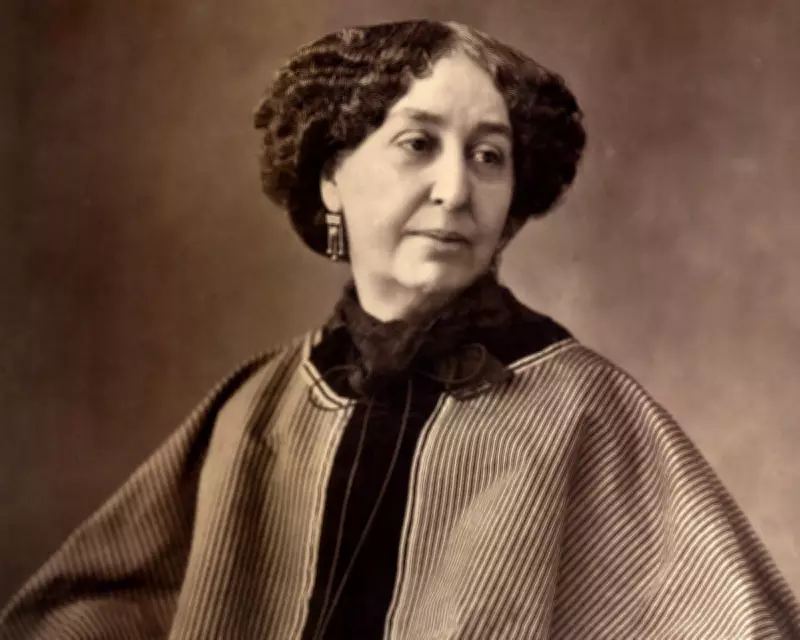
In her latest work, acclaimed author Fiona Sampson delves into the remarkable and largely forgotten story of a 19th-century novelist who defied societal expectations by living as a man. Becoming George offers a meticulous and compelling exploration of this individual's life, revealing how they navigated the rigid gender norms of Victorian England to pursue a literary career.
Challenging Victorian Conventions
The biography uncovers the novelist's strategic use of cross-dressing, which allowed them to access opportunities and freedoms typically denied to women during that era. Sampson's research highlights how this decision was not merely a personal choice but a necessary act of survival and ambition in a male-dominated literary world. The book provides detailed accounts of the novelist's publications, relationships, and the public persona they crafted as 'George,' offering insights into the complexities of identity and authorship in the 1800s.
Literary and Historical Significance
Sampson's narrative goes beyond a simple retelling of events, placing the novelist's story within the broader context of 19th-century literature and social history. Becoming George examines how this figure's work and life challenge traditional narratives about gender and creativity, suggesting that their contributions may have been overlooked due to societal biases. The biography draws on archival materials, letters, and contemporary reviews to paint a vivid picture of a life lived on the margins of respectability.

- Exploration of the novelist's motivations for adopting a male identity
- Analysis of their literary output and its reception during the Victorian period
- Discussion of the risks and rewards associated with cross-dressing in the 19th century
Relevance to Modern Readers
Published in 2026, Becoming George resonates with contemporary discussions about gender fluidity and the reevaluation of historical figures. Sampson's work invites readers to reconsider how we interpret the past and recognize the diversity of human experience that has always existed. The book serves as a powerful reminder that history is often more complex and inclusive than traditional accounts suggest, making it a significant addition to both literary studies and gender history.
Overall, Fiona Sampson's biography is praised for its thorough research and engaging prose, offering a fresh perspective on a fascinating chapter of literary history. It not only resurrects a forgotten voice but also encourages a deeper understanding of the ways in which individuals have historically navigated and subverted societal constraints.