The Rise of the Doppelganger in Contemporary Culture
In an era marked by deep-seated paranoia and digital fragmentation, the figure of the doppelganger has emerged as a pervasive force across modern culture. From luxury 'dupes' to literary doubles, this spectral presence haunts our screens, runways, and bookshelves, reflecting our collective anxieties about identity and reality.
Cinematic and Literary Doubles
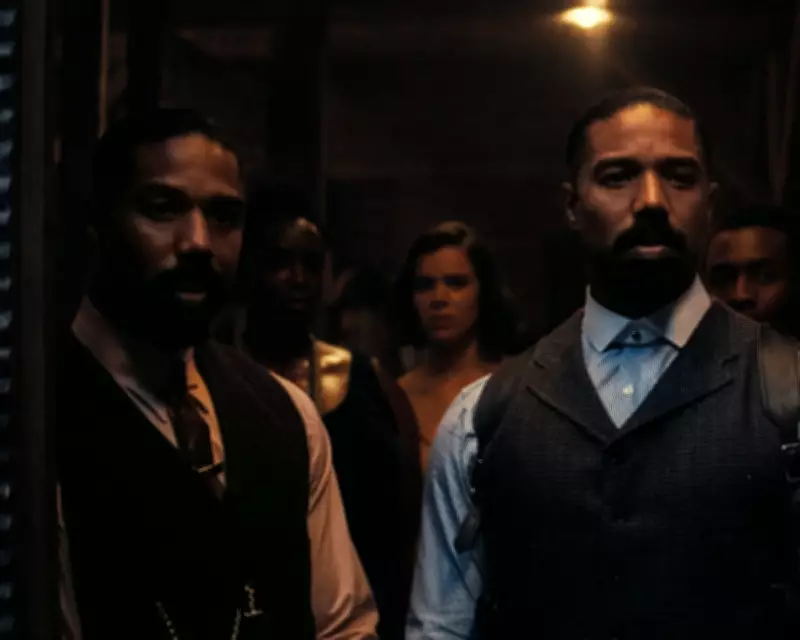
The double has been a staple of cinema since its early days, with classics like The Student of Prague (1913) setting the stage. Recent films such as Sinners, starring Michael B Jordan as identical twins, and Famous, featuring Zac Efron as a heart-throb and his obsessive lookalike, continue this tradition. These narratives delve into themes of identity and celebrity, winning accolades like three Baftas for Sinners last month.
In literature, the doppelganger thrives in unsettling new novels. Isabel Waidner's As If and Lauren J Joseph's Lean Cat, Savage Cat, both published on the same day, explore doubles through protagonists in showbiz, grappling with grief and housing insecurity. This overlap prompts questions about creative synchronicity and the uncanny nature of artistic expression.

Fashion and Digital Doubles
On the runway, doppelgangers are becoming a trend. Kate Moss's lookalike, Denise Ohnona, models in her place, while H&M uses AI-generated twins of real models for advertisements. At Berlin fashion week, GmbH showcased a collection titled Doppelgänger, highlighting this cultural fixation.
Online, digital doubles proliferate through filtered social media profiles and 'finstas' (fake Instagram accounts), creating curated personas that diverge from reality. Data mining by big tech companies generates second selves to track user behavior, while catfishing on dating apps exploits this fragmentation for deceptive purposes.
Political and Social Implications
The doppelganger phenomenon extends beyond the arts into politics and society. Conspiracy theories, such as those claiming Melania Trump has been replaced by an impersonator, reflect a paranoid moment. Political doublespeak masks policies that benefit the wealthy, while terms like 'freedom of speech' are weaponized to silence minorities.
In aesthetics, the pursuit of identical beauty standards leads to procedures that erase distinctive features, creating duplicate countenances among celebrities and civilians alike. This trend underscores a desire for conformity in an increasingly uncertain world.
Historical Roots and Psychological Insights
The doppelganger first appeared in Jean Paul's 1796 novel Siebenkäs and has since been a constant in gothic literature. Works by Edgar Allan Poe, Charlotte Brontë, and James Hogg use doubles to embody repressed desires or moral conflicts. Freud's essay Das Unheimliche (1919) links this figure to our fear of mortality, suggesting that mirror images and twins haunt us as manifestations of this anxiety.
Modern reinterpretations, such as Vladimir Nabokov's Despair and Muriel Spark's The Ballad of Peckham Rye, repurpose the double to explore themes of truth and chaos, demonstrating its malleability as a literary device.
Conclusion: The Enduring Presence of Doubles
As technology and culture evolve, the doppelganger remains a powerful symbol of our fragmented identities and paranoid times. Whether in film, fashion, or fiction, doubles continue to captivate and unsettle, reminding us that our fears often wear our own face. With new releases like Lean Cat, Savage Cat by Lauren J Joseph, this tradition shows no signs of fading, ensuring that the boogeyman will always look just like us.