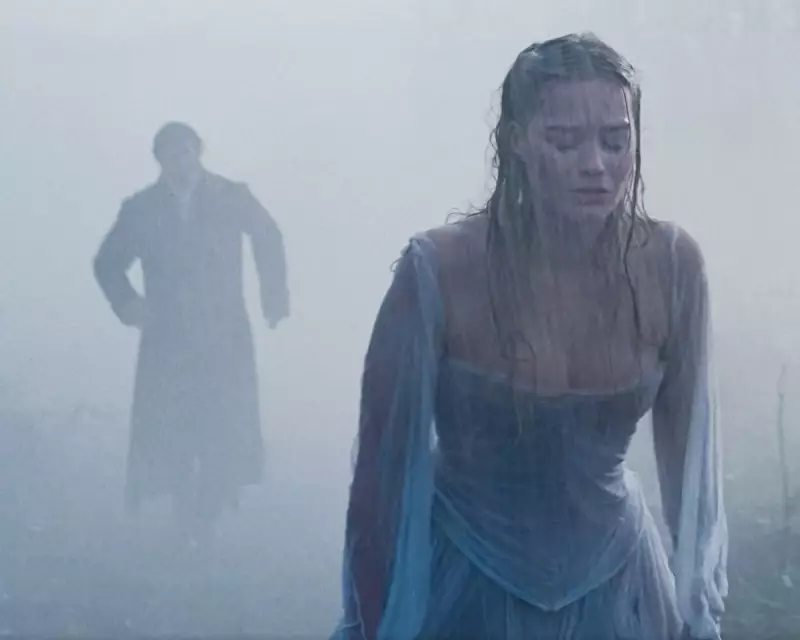
A compelling case has been made for adapting Emily Brontë's iconic novel, Wuthering Heights, not as a single film but as a full cinematic trilogy. The argument draws striking parallels between the 19th-century gothic story and the structure of ancient Greek tragedy.
A Novel Framed as Greek Tragedy
The proposal was put forward in a letter to The Guardian by reader John Starbuck from Lepton, West Yorkshire. He commended an earlier article by Samantha Ellis, which stated the novel was "no romcom" and was often too extreme for screen adaptations.
Starbuck's central thesis is that Brontë's masterpiece mirrors the form of a classical Greek drama. He contends that if it had been published in ancient Greek, contemporary critics would have hailed it as comparable to the works of Aeschylus. The key similarity lies in the three-part structure, where the revenge and resolution arrive decisively at the end, much like in tragic theatre.

Structural Parallels with Classic Drama
The letter outlines several specific parallels that support the trilogy idea. Firstly, the characters of Lockwood and Nelly Dean, who narrate the bulk of the story, function much like a Greek chorus, observing and commenting on the unfolding events.
Furthermore, Starbuck notes that, in keeping with classical tradition, most of the violence in the novel occurs offstage. The setting, while often wild and otherworldly, remains fundamentally relatable to the audience. The tragic wellspring is identified as the moment a young Heathcliff and Cathy declare their profound unity and claim to be damned for it—a fate they ultimately tempt and fulfil.
The Case for a Three-Volume Film Adaptation
Pointing to publishing history, Starbuck reminds us that novels in the 19th century, including gothic horror, were frequently published as three-volume works. Filming Wuthering Heights as a trilogy would, therefore, honour this original format while doing justice to its complex, tripartite tragic structure.
The letter, published in The Guardian's correspondence section on 30 December, invites readers to reimagine how this timeless tale of passion, revenge, and doomed love could be presented on screen. It challenges filmmakers to move beyond conventional, condensed adaptations and embrace the epic, tragic scale Brontë originally crafted.