Walking with the Weavers 200 Years After the Lancashire Uprising
Former mill towns nestled within the rugged West Pennine Moors vividly recount the dramatic story of the workers' rebellion against power looms, the innovative machines that threatened to decimate their livelihoods and push them toward destitution. This historical narrative comes alive through a series of guided walks commemorating the bicentennial of the 1826 Lancashire Weavers' Uprising, offering a profound connection to the past.
The Historic Gathering at Whinney Hill
At the summit of Whinney Hill, a significant shale quarry once supplied materials for Accrington's renowned Nori brickworks, used in iconic structures like the Empire State Building and Blackpool Tower. This site holds a deep historical resonance. On the morning of April 24, 1826, approximately 1,000 weavers assembled here to strategize before embarking on their protest. The Panic of 1825, a severe banking crisis, had devastated the cotton industry, exacerbating years of declining wages and living standards for Lancashire's weavers, leaving many facing starvation.
In desperation, they planned large-scale destructions of power looms as a symbolic message to employers and the government. Splitting into groups, they marched to mill towns including Clitheroe, Oswaldtwistle, and Blackburn, where they were met by armed soldiers, cavalry, and yeomanry. Over four days of protests, at least six individuals lost their lives, marking a tragic chapter in labor history.
Guided Walks Through the Weavers' Footsteps
Today, the Weavers Uprising Bicentennial Committee (WUBC) charity organizes eight guided walks across Lancashire from March to August, closely tracing the routes taken by the 1826 protesters. Led by local guide and historian Nick Burton, these journeys offer expansive views of moorlands around Darwen, Burnley, and Pendle Hill, with Accrington Stanley's Wham Stadium visible below, featuring a terrace named after Whinney Hill.
One route follows the path to Clitheroe, starting on the old turnpike road, now the A680, lined with Victorian-era properties. Walkers pass through Clayton-le-Moors, known for its fell running legacy, and Great Harwood, a historic textile hub. The landscape transitions to greener areas near the Grade II-listed Martholme railway viaduct, overlooking the River Calder, before ascending to the Nab hill above Whalley, with its Cistercian abbey ruins and Lancashire's longest viaduct.
Commemorating the Uprising's Legacy
On the first day alone, 415 power looms were destroyed. This was not an isolated incident; Lancashire had been a cradle of textile innovations like the spinning jenny and power loom, yet workers were pushed to their limits. After marching over 10 miles and facing resistance, they had to trek back home, highlighting their resilience.
A second walk begins in Haslingden, heading south past blue plaque sites. One plaque on the former New Inn records the arrest of handloom weavers on April 25, 1826, for destroying 100 power looms in Helmshore. Some were transported to Australia, and a bystander, Mary Hindle, initially faced a death sentence, later commuted to transportation. This route passes cultural stops like the Whitaker museum, which houses a painted panel depicting weavers smashing looms in Rawtenstall, where 96 looms were destroyed in just 30 minutes.
Exploring Historical Sites and Natural Beauty
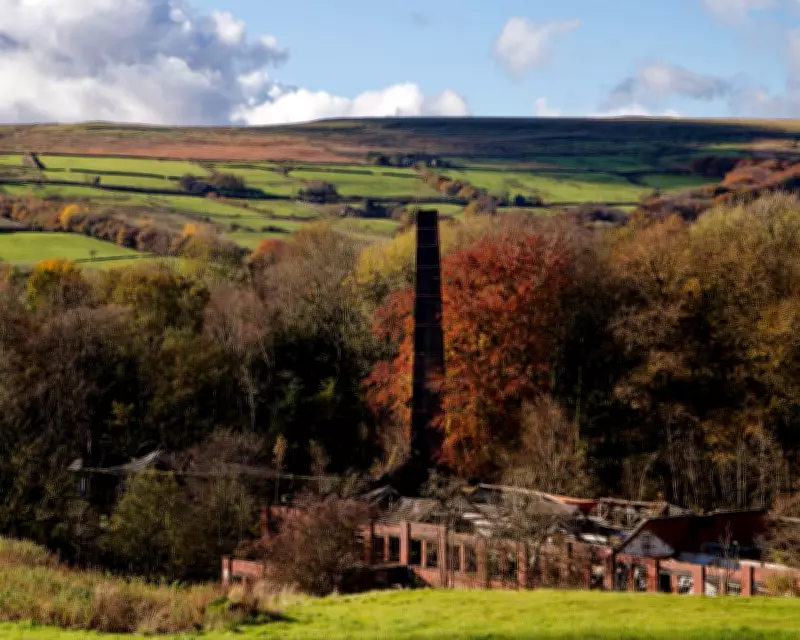
From the Whitaker museum, views extend to Hardman's Mill with its 49-meter chimney, postdating the uprising. Many textile buildings have been razed, but traces remain in foundations or repurposed structures. In Rawtenstall, walkers pass Mr Fitzpatrick's temperance bar and Old Man Greenwood's chippy, serving traditional fare since 1932. The path follows the River Irwell, offering peaceful, pastoral scenes with wildlife, enhanced by frosty landscapes.
At the border with Greater Manchester, the route descends into woodland beside Dearden Brook, where mill ruins lie shrouded in undergrowth. From Edenfield, views stretch to Musbury Tor, resembling a miniature Pendle Hill. A blue plaque in Chatterton, titled The Chatterton Fight, marks a tragic event where soldiers fired 600 bullets into a crowd of 3,000 over 15 minutes, killing at least six people, including an onlooker.
Reflecting on the Uprising's Significance
Lancashire historians argue that the April 1826 rising and the Chatterton Massacre have been unjustly overlooked. These events serve as a historical bridge between the Luddite risings, Peterloo, and Chartism. Dr. David Gordon Scott, founder and chair of the WUBC, emphasizes that walking in the protesters' footsteps fosters solidarity and deepens empathy for those who risked their lives to ensure their families' survival in bleak times.
For more information on the Weavers' Uprising history and guided walk details, visit the official WUBC website. This bicentennial commemoration not only honors the past but also invites modern walkers to connect with Lancashire's rich industrial heritage and the courageous souls who shaped it.