As Brisbane gears up to host the world for the 2032 Olympic Games, a forgotten 19th-century narrative of politics and concealed gay love is resurfacing. The story centres on the suburb of Herston, home to the new main stadium, a name born from the clandestine relationship of two of Queensland's founding fathers.
The Secret Behind the Name
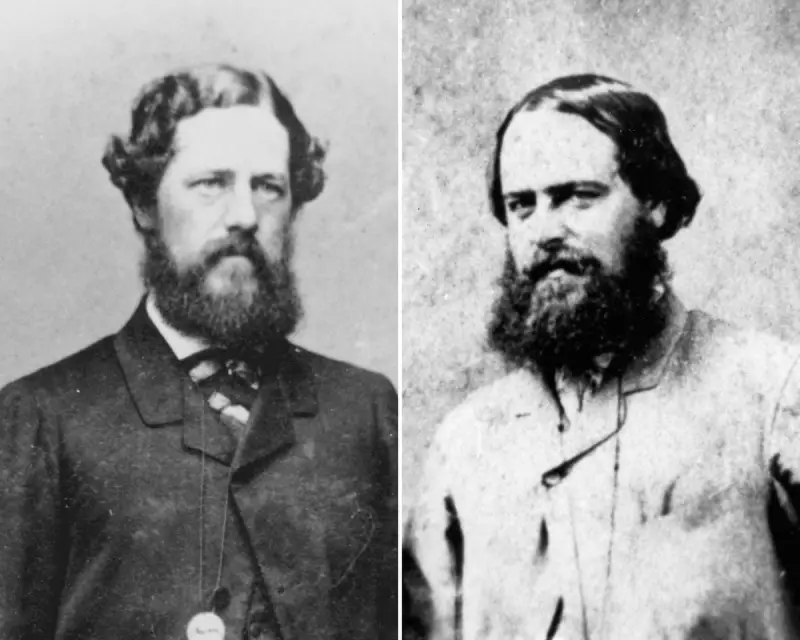
The tale begins in 1859. Robert Herbert became the new state's first premier, then known as colonial secretary. His close associate, John Bramston, served as an attorney general. The pair, migrants from England, shared a house which they named 'Herston' – a portmanteau of their surnames, Herbert and Bramston.
This act, unremarkable today, was extraordinary for its time. Historians, including Clive Moore, author of the 2001 queer history Sunshine and Rainbows, describe their lives as a "gay love story". The men first met at Balliol College, Oxford in the 1850s and shared rooms both there and in London before their Australian venture.
Moore argues the relationship was doubly secret: not only was homosexuality illegal, but their intimacy also breached cabinet confidentiality rules. Herbert never married and, in a telling 1864 letter to his sister, expressed a deep scepticism of marriage, writing it risked "being wretched" for a chance of "a little possible additional happiness".
A Legacy of Progressive Law and Lasting Secrecy
Remarkably, Herbert's government showed unusual sympathy. Queensland became the first Australian state to remove the death penalty for male sodomy, a reform that New South Wales would not match for two decades.
Herbert returned to England in 1866, dying there in 1905. Bramston later married in Brisbane in 1872 but died in England in 1921. Their Herston home is long demolished, now the site of the Royal Brisbane and Women's Hospital.
In 1975, the Queensland Place Names Board officially named the Brisbane suburb Herston. Yet, no heritage sites in the area commemorate the name's origins, and the full names of Bramston and Herbert are absent from the suburb's landscape.
Olympic Spotlight on Queer History
With the 2032 Olympics approaching, advocates argue this hidden history deserves recognition. Timothy Jones, President of the Australian Queer Archives, notes the Games present a pivotal opportunity, especially as 64 countries where homosexuality remains illegal will participate.
"Learning this history is super exciting for queer people today," Jones says, while cautioning against simplistic celebration of closeted historical figures who were also part of colonial systems.
James McCarthy, President of Brisbane Pride, emphasises the moment: "It is essential that LGBTQIA+ communities and histories are front and centre in the telling of Brisbane’s story."
The call for recognition contrasts sharply with Queensland's recent past. When historian Clive Moore moved to the state in the 1980s, homosexuality was still unlawful. The late 1980s saw heightened political homophobia, including a failed proposal to extend anti-gay laws to women. It wasn't until 2017 that the state government apologised and quashed a century and a half of historical convictions.
"The gay community knows about [Herbert and Bramston], but basically the straight community in Brisbane doesn't," Moore states. "It's never been aired in a public sort of a way. It's time Queensland faced up to a few things." As the Olympic infrastructure rises in Herston, so too does the demand for its full, complex story to be told.