Why Do Potatoes Turn Black After Cooking?
Have you ever pulled a batch of potatoes from the pot only to find them mysteriously blackened? This common kitchen conundrum plagues many home cooks, but fear not—the solution lies in understanding the science behind it. According to food experts, the discoloration is a harmless chemical reaction, yet it can ruin the appearance of your dishes. Let's dive into the causes and practical fixes to keep your spuds looking and tasting their best.
The Science Behind Potato Discoloration
Food science guru Harold McGee, in his seminal work On Food & Cooking, explains that blackening in cooked potatoes results from a reaction between iron ions, chlorogenic acid (a phenolic substance), and oxygen. This combination forms a pigmented complex that turns potatoes dark. To combat this, McGee recommends making the cooking water "distinctly acidic" by adding ingredients like cream of tartar or lemon juice after the potatoes are half-cooked. This adjustment in pH can significantly reduce the risk of discoloration.
Common Culprits and Expert Solutions
Several factors contribute to potato blackening, and identifying them is key to prevention. Poppy O'Toole, author of The Potato Book, notes that slow cooling, as mentioned by a reader from Hampshire, exacerbates the issue. Instead, she advises draining cooked potatoes, spreading them on a rack, and covering them with a tea towel to steam dry. This method helps maintain texture and color.

Cookware also plays a critical role. Tom Hunt, a food writer, points out that reactive metals like carbon steel knives or aluminium pans can trigger discoloration. He suggests using non-reactive alternatives such as stainless steel to avoid this problem. Additionally, Hunt warns against leaving cooked potatoes in water, as they absorb moisture and become soggy. A brief cold plunge is acceptable, but prolonged soaking should be avoided.
Preventive Measures Before Cooking
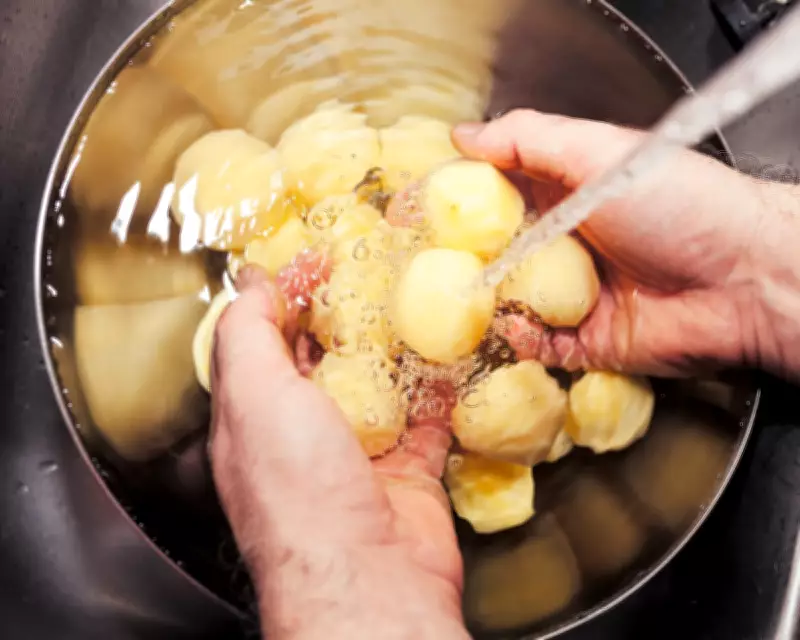
Discoloration often begins before cooking, especially when peeled and cut potatoes are exposed to air. Hunt emphasizes that oxygen is the enemy of cut potatoes, so storing them in cold water can delay browning. However, this only works for a limited time. To enhance protection, he recommends adding a drop of vinegar or half a lemon to the water to lower its pH level.
Jess Murphy, chef patron of Kai Galway and author of The Kai Cookbook, offers a novel tip: adding seaweed during boiling. Potatoes are "mineral suckers," and seaweed helps replenish lost minerals, reducing the need for salt and boosting flavor. This approach not only prevents blackening but also elevates the taste profile of your dishes.
Storage and Creative Uses for Leftovers
Proper storage is essential to maintain potato quality. Hunt advises cooling cooked potatoes completely before placing them in a sealed container in the refrigerator. For a delicious twist, Murphy suggests transforming leftovers into crisp potato cakes, perfect with smoked trout or a poached egg for a simple yet satisfying meal.
If you're planning ahead, O'Toole shares her method for frozen ready-to-roast potatoes: parboil, drain, steam-dry, coat in melted fat (such as duck or beef), and freeze. This technique ensures you have roast potatoes on demand without the risk of discoloration.
Final Thoughts and Further Resources
While potato blackening is a common issue, it's easily preventable with the right techniques. By adjusting water acidity, choosing appropriate cookware, and employing proper storage methods, you can enjoy flawless potatoes every time. For more culinary advice, consider exploring expert resources or reaching out to food communities. Remember, a little science and creativity go a long way in the kitchen.