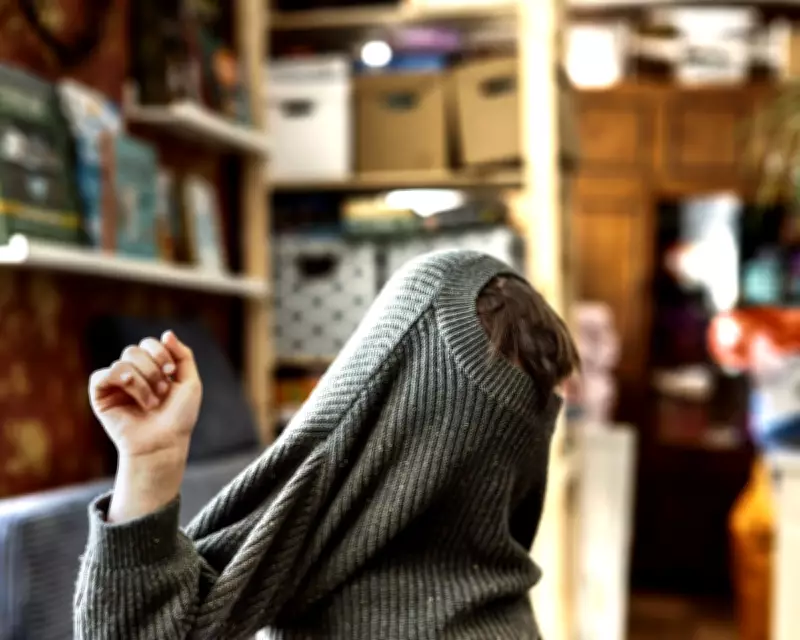
A reader, Helen, has posed an intriguing question about cardigans and jumpers: why does the inside of these garments never become bobbled, despite the friction that must occur during wear? She wonders if the pieces could be sewn together inside out to prevent bobbling on the outside. This question is part of a long-running series where readers answer each other's queries on topics ranging from trivial flights of fancy to profound scientific and philosophical concepts.
The Bobbling Phenomenon
Bobbling, or pilling, occurs when short fibers on the surface of a fabric tangle together to form small balls. This typically happens on areas that experience frequent friction, such as the elbows and cuffs of sweaters. However, the inside of a garment, which is in direct contact with the skin or underlayers, often remains smooth. Why is that?
Fabric Construction and Wear
One key factor is the direction of the fabric's weave or knit. Most garments are constructed with the right side facing out, which is designed to withstand external abrasion. The inside, or wrong side, is often smoother and less prone to fiber entanglement. Additionally, the type of yarn and how it is spun can affect pilling. Higher twist yarns are less likely to pill.

Friction and Moisture
External friction from jackets, bags, or seat belts contributes to bobbling on the outside. Inside, the fabric rubs against softer materials like cotton shirts or skin, which cause less abrasion. Moisture and body oils can also play a role, as they may lubricate fibers and reduce friction on the inside.
Sewing Inside Out: A Solution?
If garments were sewn inside out, the smoother side would be exposed to external friction, potentially reducing bobbling. However, this would also expose seams and labels, which might be uncomfortable or unsightly. Some manufacturers already use techniques like anti-pilling treatments or tighter weaves to minimize bobbling.
Reader Responses
Readers are invited to share their answers and new questions via email or in the comments section below. A selection of responses will be published next Sunday. This week's replies also include a discussion on history's greatest bad smells, referencing the infamous Missouri tofu spill.
Join the Conversation
Do you have a theory or experience with bobbling? Post your thoughts below or send them to nq@theguardian.com. Explore more on these topics: Life and style, Notes and queries, Features.