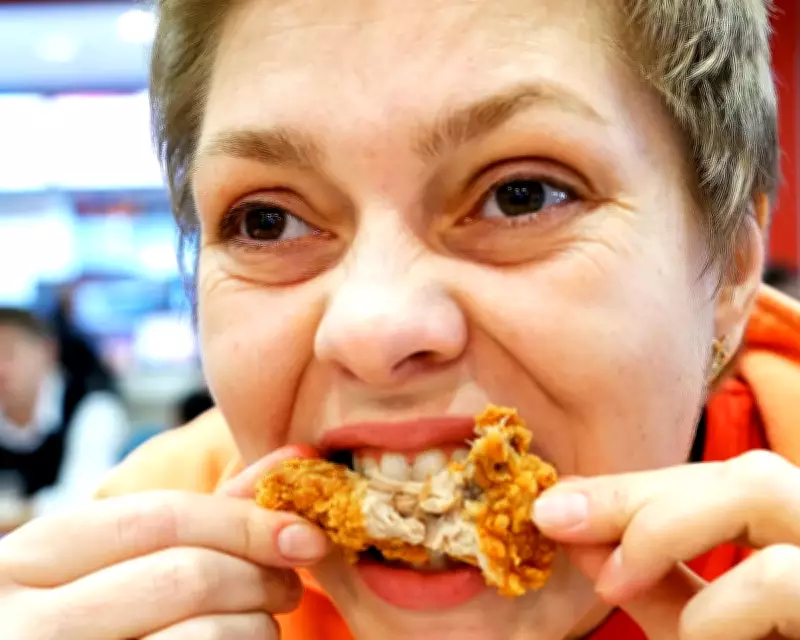
The 'Chicken Ick': A Psychological Phenomenon That Turns Food Favorites Foul
Have you ever been mid-bite into a succulent piece of chicken, only to feel an unexpected wave of disgust? You're not alone. A curious trend dubbed the "chicken ick" has emerged, capturing attention on social media platforms like TikTok and sparking discussions among psychologists. This phenomenon describes a sudden aversion to chicken—or any food—that you previously enjoyed, often leaving you questioning your taste buds.
What Exactly Is the 'Chicken Ick'?
The term "chicken ick" refers to an abrupt feeling of repulsion toward chicken, despite having no prior issues with it. While chickens themselves have existed for millennia, this specific psychological response is a relatively new concept gaining traction online. It manifests as a visceral reaction, sometimes occurring during a meal, where the food suddenly tastes, smells, or looks unappealing.
Dr. Lorenzo Stafford, an associate professor in psychobiological psychology at the University of Portsmouth, has researched how our senses, particularly smell and taste, influence behavior. He explains that the "ick" part relates to how we manage our disgust response, which can be triggered by various factors.

Causes of the Disgust Response
According to Dr. Stafford, writing in The Conversation, the disgust response can stem from multiple sources. One common cause is noticing a difference in the food's taste, smell, or appearance compared to previous experiences. When expectations aren't met, it can alter your perception and lead to aversion.
Additionally, emotional contagion plays a role. If someone else expresses disgust at a dish, it can impact your own reaction, making you more likely to develop the "ick." Social influences, such as seeing unappetizing meals on social media before cooking, can also prime your mind to feel differently about your own food.
Is It Limited to Chicken?
While the trend primarily focuses on chicken—partly due to the word "ick" being embedded in its name—this phenomenon can apply to any food. However, chicken has become the poster child on platforms like TikTok, where users share their experiences and videos of culinary disappointments. The viral nature of these posts has amplified awareness, turning a personal quirk into a shared cultural moment.
How to Overcome the 'Chicken Ick'
If you find yourself grappling with this aversion, there are strategies to help. Dr. Stafford suggests trying a different chicken recipe to "unlearn your disgust" by creating new, positive associations. Alternatively, having someone else prepare the meal can break the cycle, as external factors like cooking methods or presentation might reduce the negative response.
In a modern twist, some people document their "ick" experiences on TikTok, blending personal anecdotes with broader psychological insights. This highlights how digital culture intersects with everyday behaviors, making the "chicken ick" a relatable topic for many.
Ultimately, understanding this phenomenon reminds us that our relationship with food is complex and influenced by psychology, environment, and social cues. Whether it's chicken or another dish, recognizing these factors can help navigate sudden aversions and reclaim enjoyment in eating.