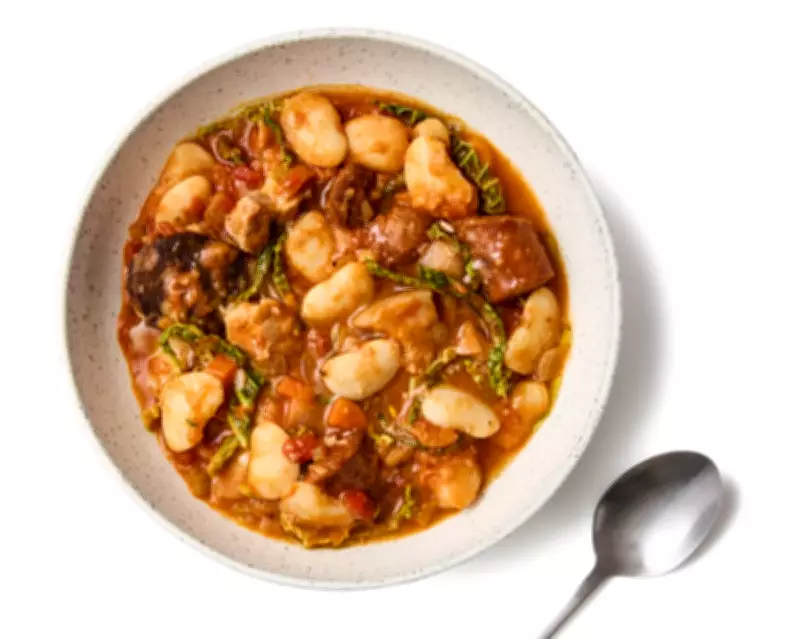
The Ultimate Guide to Crafting Authentic Portuguese Feijoada
Feijoada stands as a cherished staple in Portuguese kitchens, celebrated for its robust flavors and comforting warmth. This hearty bean stew, brimming with pork and sausages, offers a satisfying one-pot feast perfect for any occasion. Whether you're seeking to incorporate more legumes into your diet or simply craving a taste of Portugal, this dish delivers both simplicity and depth.
Unraveling the Origins of Feijoada
The precise history of feijoada remains shrouded in culinary mystery, sparking lively debates among food historians. Some experts trace its roots to Brazil, where it evolved from West African bean traditions, eventually traveling to Europe with returning colonizers. Others passionately argue for its birth in northern Portugal, later adapted in Brazil using local ingredients. Regardless of its origins, feijoada has cemented its place as a beloved homely favorite, celebrated for its adaptability and rich, savory profile.
Selecting the Perfect Beans
Unlike the Brazilian version, which predominantly features black beans, Portuguese feijoada embraces a variety of legumes. Culinary authorities offer diverse recommendations: David Leite favors white beans, Edite Vieira suggests butter or kidney beans, and Nuno Mendes advocates for a mix of butter, red kidney, and cannellini beans. For optimal results, prioritize freshness—seek out plump, uncracked dried beans from reputable sources with high turnover. While mixing beans might seem appealing, their differing cooking rates often lead to uneven textures, making single-variety preparations more reliable.

The Essential Meat Components
At its heart, feijoada celebrates pork in its many forms. Chouriço, a Portuguese sausage distinct for its garlic and wine notes, serves as a cornerstone. Morcela, a dry-cured blood sausage, adds depth, though alternatives like Spanish morcilla or black pudding can substitute if needed. Fresh pork belly contributes richness, while optional additions like ribs, trotters, or ears offer textural intrigue for dedicated enthusiasts. For a plant-based twist, tempeh marinated in soy, garlic, and paprika provides a flavorful alternative, though traditionalists argue the dish's essence lies in its meaty foundation.
Aromatics and Vegetable Enhancements
Building flavor begins with onions and garlic, often supplemented with carrots and celery for a fresher, more fragrant stew. Tomatoes, whether fresh or tinned, lend savory depth, while paprika imparts both color and mild heat. For those desiring extra spice, dried chilli flakes or Thai chillies can be incorporated. Cabbage, stirred in towards the end, transforms the stew into a complete meal, though it can also be served separately. A final drizzle of extra-virgin olive oil elevates the dish, balancing its richness.
Step-by-Step Cooking Instructions
- Soak 300g dried beans (kidney, butter, or white) in cold water for at least eight hours or overnight.
- Drain beans and place in a large pot with a clove-studded onion, bay leaves, and 200g pork belly strips. Cover with water, season lightly with salt, and simmer until beans are tender (about one hour or more).
- Dice remaining onion and chop 200g chouriço (and optional morcela). Heat 2 tbsp olive oil in a pan, sauté sausages until they color the oil, then remove and set aside.
- In the same oil, fry onion, diced carrot, and celery (if using) until soft. Add 2 crushed garlic cloves and 1 tsp sweet paprika, cooking for another minute.
- Stir in 400g tinned chopped tomatoes and cook until liquid reduces. Drain cooked beans, reserving the liquid, and add beans and pork to the vegetable mixture.
- Pour in enough bean liquor to cover, simmer partially covered until pork is tender. Add optional black pudding (if using), poach for five minutes, then incorporate reserved sausages and 150g shredded savoy cabbage, wilting briefly.
- Season to taste and serve with rice or bread, drizzled with extra-virgin olive oil.
This versatile stew not only satisfies immediately but often improves with time, making it an ideal make-ahead meal. Whether you adhere to tradition or adapt it to your pantry, feijoada promises a deeply rewarding culinary experience that honors Portugal's rich gastronomic heritage.