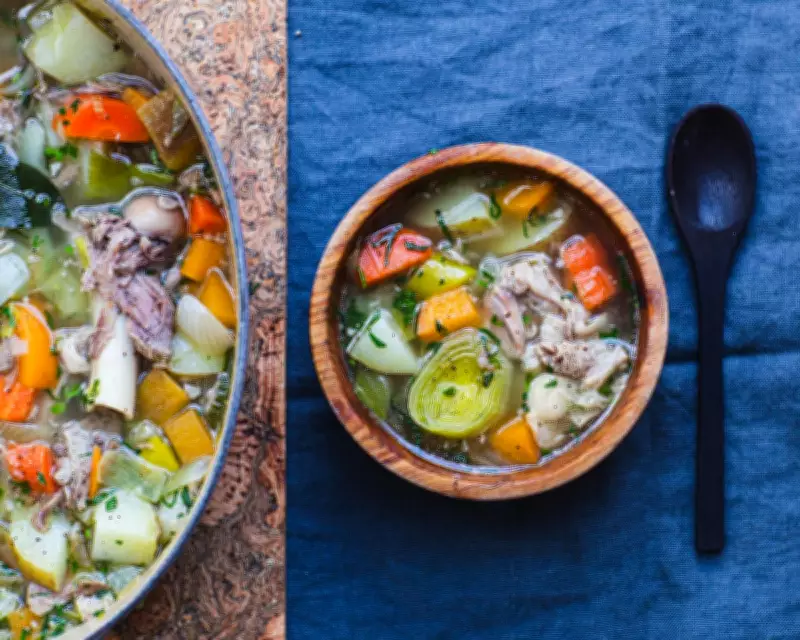
Transform Leftover Lamb into Wales' National Dish: Cawl
Welsh cawl represents a culinary masterpiece of thrift and tradition, transforming simple ingredients into a deeply satisfying meal. This slow-cooked broth stands as Wales' gift to global comfort food, celebrated for its seasonal versatility and practical approach to cooking.
The Heritage of Hearty Welsh Stew
Food sustainability expert Tom Hunt recently explored Wales' national dishes while creating toolkits for Food & Drink Wales, discovering cawl's remarkable potential. Also known as lobscows in northern Wales, this dish embodies centuries of Welsh culinary wisdom passed down through generations.
Inspired by Welsh culinary legends including Dudley Newbery and Tomos Parry, cawl demonstrates how minimal ingredients can create maximum flavor. The recipe showcases the perfect marriage between traditional cooking methods and modern sustainability practices.

The Magic of Simple Ingredients
The true beauty of cawl lies in its straightforward preparation. A single lamb bone, whether raw from your butcher or leftover from a Sunday roast, forms the foundation of this nourishing stew. Even without substantial meat, the bone alone imparts extraordinary depth of flavor to the broth.
When planning your meals, consider purchasing a slightly larger lamb joint specifically to reserve bones for cawl preparation. Any remaining meat clinging to the bones becomes a wonderful bonus, while drippings and gravy from your roast add additional layers of flavor complexity.
Versatile Vegetable Combinations
Traditional cawl welcomes seasonal flexibility with root vegetables. The recipe typically includes:
- Large potatoes for substance
- Carrots for natural sweetness
- Swede or turnip for earthy notes
- Parsnips for aromatic depth
- Leeks as the essential Welsh ingredient
Fresh herbs like thyme and parsley elevate the dish, while optional peas add color and texture variation. This adaptability makes cawl a year-round favorite that reflects whatever vegetables are currently available.
Enhanced Flavor Development
Like all great stews, cawl benefits significantly from resting time. The flavors continue to develop and marry overnight, often tasting even better the following day. This characteristic makes cawl particularly practical for meal planning and advance preparation.
For optimal results, begin cooking your lamb bone immediately after your roast dinner concludes. This forward-thinking approach ensures you'll have a flavorful foundation ready for completion whenever needed during the week.
Traditional Cawl Preparation Method
Serves 6 generously
Essential Ingredients:
- 1 large lamb bone (raw or cooked) with any remaining meat, or 500g lamb neck chops
- 1 large onion, peeled and roughly chopped
- 800g potatoes, diced
- 900g mixed root vegetables (carrots, swede, parsnips, or turnip), trimmed and diced
- 3 sprigs fresh thyme or 1 bay leaf (optional)
- 3 sprigs fresh parsley, finely chopped with leaves and stalks separated
- 400g leeks, trimmed, washed, and thickly sliced
- 200g frozen peas (optional)
- 1.8 litres cold water
Step-by-Step Instructions:
Begin by placing the lamb bone and any accompanying meat in a large cooking pot. Add 1.8 litres of cold water and bring the mixture to a gentle boil. Reduce heat to low, cover the pot, and allow the broth to simmer gently for at least ninety minutes. For enhanced convenience, this initial cooking stage can be completed in a slow cooker with doubled cooking time.
Carefully remove the bone from the broth, extracting any remaining meat and returning it to the liquid. Add the chopped onion, diced potatoes, prepared root vegetables, and thyme or bay leaf if using. Include the chopped parsley stalks, reserving the leaves for later use.
Return the mixture to a boil before reducing to a simmer for approximately fifteen minutes, or until vegetables reach near-tenderness. Incorporate the sliced leeks and continue cooking for an additional ten minutes. Season generously according to personal preference.

If including peas, add them now and bring the cawl back to a boil for a final three minutes of cooking. Finish by stirring through the reserved chopped parsley leaves before serving immediately.
Sustainable Cooking Philosophy
Welsh cawl embodies a sustainable approach to food preparation that minimizes waste while maximizing flavor. This traditional dish demonstrates how thoughtful cooking can transform what might otherwise be discarded into a celebrated national treasure.
The recipe's flexibility encourages adaptation based on seasonal availability and personal preferences, making it accessible to cooks of all experience levels. Whether prepared with carefully sourced ingredients or cleverly repurposed leftovers, cawl consistently delivers comforting nourishment that honors Welsh culinary heritage.