Keir Starmer's Unlikely Transformation into Chinese Culinary Icon
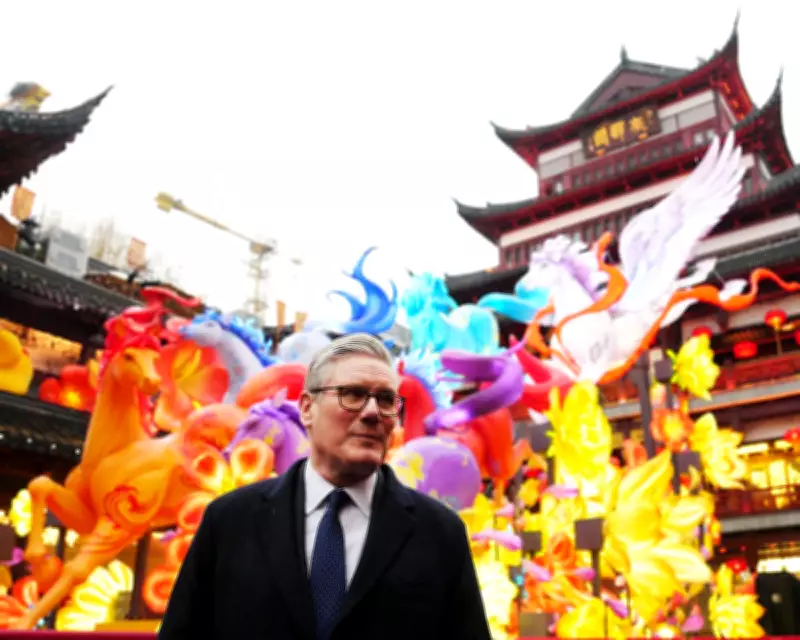
In the United Kingdom, Prime Minister Keir Starmer faces widespread criticism and dwindling popularity, but during a recent family visit to China, journalist Martin Rowson discovered a startlingly different reality. The British leader has become an unexpected food phenomenon, with restaurants across China creating special "Starmer menus" based on his dining choices during his January 2026 diplomatic visit.
The Beijing Restaurant That Started It All
The phenomenon began at Yi Zuo Yi Wang, a popular Yunnan restaurant in Beijing's Chaoyang district, where Starmer and his entourage dined twice during his China trip. The restaurant, whose name translates as "In and Out," has seen unprecedented demand since the prime minister's visit, with tables booked solid for months in advance.
"We secured our table with some difficulty," Rowson reported. "This is down to the Starmer Dividend." The restaurant's interior features exposed brickwork, random glassware, and potted plants that create what Rowson described as "pure triumphalist New Labour Islington chic."

What Makes the 'Starmer Menu' So Popular?
The Chinese public's affection for Starmer appears to stem from several factors. They appreciated that he ate with chopsticks, said thank you in Chinese, and returned to the same restaurant to order identical dishes. Most significantly, Rowson suggests they recognized in him "one of their own, a modest bureaucrat interested in calm, order and obedience."
The Yunnan cuisine featured on the Starmer menu includes numerous mushroom-based dishes. While The Telegraph highlighted that some dishes use hallucinogenic mushrooms, this revelation only seemed to increase the menu's appeal. Restaurant staff described Starmer simply: "He was kind, just like us."
The Phenomenon Spreads Across China
Starmer's culinary influence extends far beyond Beijing. Approximately 1,300 miles away in Yunnan province, near the borders with Myanmar and Laos, restaurants in Dali immediately offered Rowson's family copies of the same Starmer menu. In Kunming, Yunnan's capital, Fuzhao Lou restaurant advertises "The Same Style as the Prime Minister" menu, complete with a photo of Starmer giving a thumbs-up sign.
Interestingly, Rowson's son discovered that the Chinese characters representing Starmer's transliterated name initially translated as "British Prime Minister Star Beast" on one restaurant sign.
Cultural Observations and Political Context
Rowson's observations extend beyond the culinary phenomenon to broader cultural and political comparisons. He notes Beijing's clean streets, efficient systems, and the prevalence of electric vehicles that allow birdsong to be heard even near Tiananmen Square. The streets teem with hipsters, online influencers, and young women cosplaying as Tang and Ming dynasty princesses.
The journalist contrasts China's development—where over 800 million people have been lifted from poverty in half a century—with Britain's situation after "nearly 50 years of Thatcherite privatisation" that has "pillaged our public realm into ruination." He acknowledges China's zero tolerance for dissent while admiring aspects of its infrastructure, transport, and environmental protection.
The Irony of International Popularity
Rowson, who has long viewed Starmer as "a non-ideological technocratic centrist dad" with "a tin ear for both simple human interaction and the darker subtleties of the political arts," finds the Chinese adulation particularly ironic. While Starmer managed to carry his "famous 'Ming vase' over the line in the 2024 election," Rowson has watched him "flatfooting and pratfalling through jagged shards of porcelain ever since."
The culinary phenomenon ultimately represents "the universal attraction of the exotic" rather than substantive political achievement. Yet as Rowson concludes, "Starmer couldn't be blamed for taking comfort wherever he can, and there are worse places than China to be the object of a little adulation."