The Emotional Toll of Vanishing Favorites
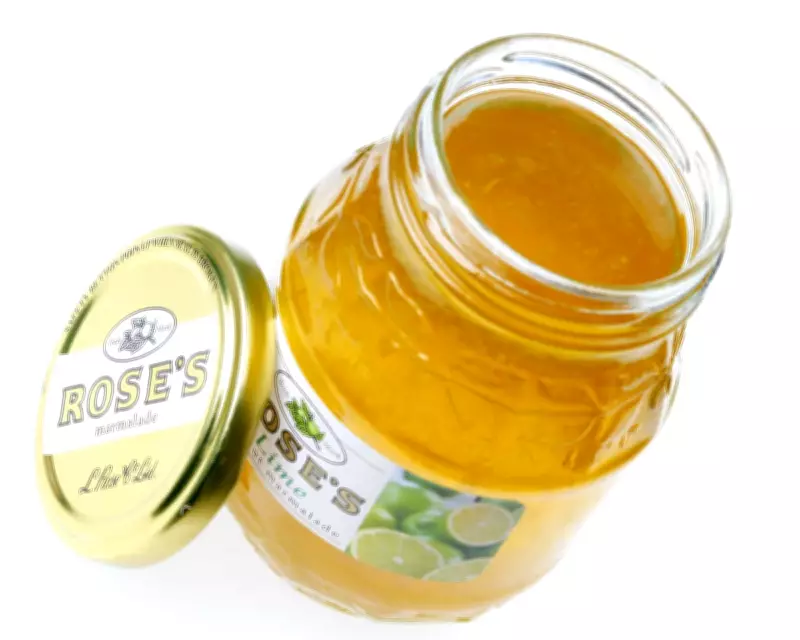
When cherished products disappear from supermarket shelves, it leaves a void that data cannot measure. Adrian Chiles delves into this phenomenon, sparked by a heartfelt plea from a Guardian reader named Bloss. She implored him to use his influence to bring back Rose's Lime Marmalade, a breakfast preserve her husband adores. This request, though seemingly trivial, opens a window into the deep emotional connections people form with everyday items.
A Plea for Lime Marmalade
Bloss's husband is a purist, rejecting the lemon and lime variant in favor of the lime-only marmalade. Her quest led her to a small village in East Sussex, but even that source has dried up. She eventually tracked the product to an industrial estate in Leeds, only to learn that Rose's Lime Marmalade is no longer in production. The corporate chain behind it is complex: Histon Sweet Spreads, owned by the Hain Daniels Group, a subsidiary of Hain Celestial Group based in Hoboken, New Jersey.
Chiles humorously notes the absurdity of appealing to Alison E. Lewis, the president and chief executive, with a request to "leave the lemon out." He laments that such products are no longer made in small, family-run factories, like the one founded by Lauchlan Rose in Leith in 1865. Instead, they are entangled in global corporate structures, with Rose's Lime Cordial now produced by Coca-Cola, adding to the confusion.

Nostalgic Cravings Beyond Marmalade
Inspired by Bloss, Chiles asked others about their much-missed products. The responses were a chorus of nostalgia: Spangles, Spartans, Cheese Moments, and a particularly heart-rending cry for the dark chocolate Bounty. Despite a global search, few leads emerged. One outlier yearned for "real chocolate without soy lecithin," while Chiles himself admits to a niche desire for Izal Medicated toilet paper, though he refrains from elaborating.
Notably, no one mourned a healthy item like a discontinued broccoli variety. The focus was squarely on indulgent treats, highlighting how food memories are often tied to pleasure and comfort rather than nutrition.
The Ice Pop Phenomenon
The biggest category of nostalgia was for cheap ice lollies, remembered under various names: Mr Freeze, Tip Tops, Ice Pops, and Ice Poles. Chiles notes that while similar products exist today, often in supermarket multipacks, they lack the authenticity of the originals. The genuine article was encased in thick plastic, frozen so hard it almost burned your hand, and required a strategic bite to access the sweet juice.
These treats were among the first purchases children could make independently, teaching valuable life lessons: pace yourself to avoid toothache or melting, and savor the experience mindfully. The emotional weight of these memories underscores how simple pleasures shape our formative years.
Jubbly: A Pyramid of Delight
Lesley Nicol, known for playing Mrs Patmore in Downton Abbey, sparked a discussion about Jubbly, a tetrahedral ice pop that predates the long, thin varieties. Chiles was surprised to learn it came in a pyramid shape, and even better, it's still available in its original form. He plans to gift one to Lesley for Christmas, noting the irony that "lovely jubbly" remains a delight for all.
This exploration reveals that the disappearance of products like Rose's Lime Marmalade or dark chocolate Bounty is more than a corporate decision; it's a loss of shared cultural touchstones. Chiles concludes that while he can't scale the corporate mountain to bring them back, he can celebrate the enduring power of nostalgia and the simple joys that define our lives.