The Last Spy Review: Former CIA Station Chief Peter Sichel's Insider Account
Katharina Otto-Bernstein's documentary The Last Spy presents a straightforward and meticulously assembled tribute to retired spymaster Peter Sichel, offering a revealing insider's perspective on the secret service and Washington political circles. The film provides a scrupulous examination of Sichel's remarkable career and his middle-of-the-action view of Cold War events.
Peter Sichel's Extraordinary Journey
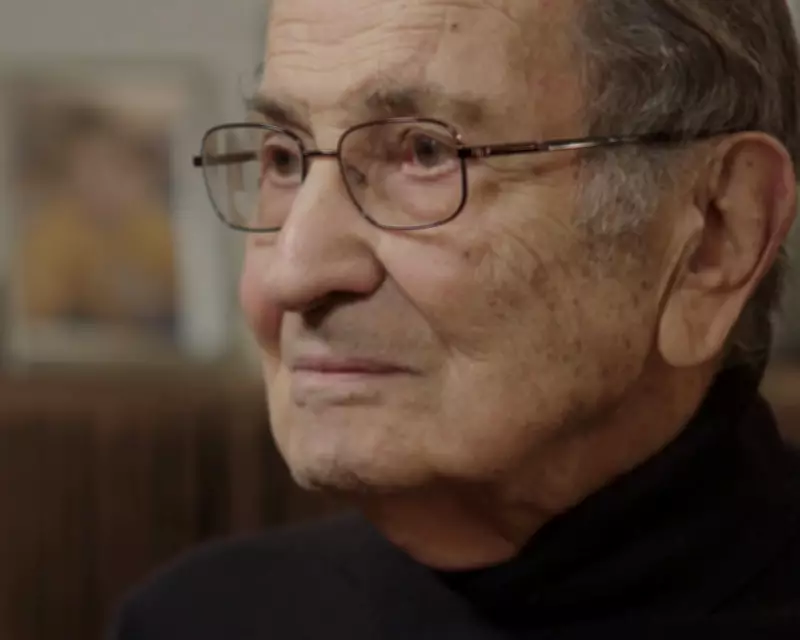
Peter Sichel, a German Jew who escaped the Holocaust, joined the United States's first espionage bureau, the OSS, before becoming chief of several crucial CIA stations after World War II, including those in Berlin and Hong Kong. At the remarkable age of 100, Sichel remains fully lucid and reflects candidly on camera about his experiences, spilling just enough tea to be revealing without compromising state secrets.
The documentary reveals Sichel's unabashed criticism of certain CIA operations, particularly the agency's plots to destabilize leftist regimes, including that of Jacobo Árbenz in Guatemala. His cautionary perspective on past interventions, including in Iran, adds significant historical weight to the film's narrative.

Documentary Structure and Supporting Voices
Director Katharina Otto-Bernstein employs a thoughtful approach, asking perspicacious questions off-camera while primarily allowing Sichel to share his anecdotes freely. The film fills historical context through a blend of archive footage and supplementary talking-head interviews with various former CIA operatives and journalists who covered intelligence matters.
These supporting voices include author Scott Anderson, journalist Carl Bernstein, and John Hadden, son of a CIA officer. They provide crucial background on the subterranean politicking between CIA chief Allen Dulles and his brother, Secretary of State John Foster Dulles, during the Eisenhower administration.
Personal Dimensions and Historical Insights
The documentary expands beyond professional revelations to include personal dimensions, with Sichel's daughters and wife reflecting on the strain his career placed on family life. Despite these challenges, Sichel emerges as a benign paterfamilias, with family members speaking warmly about him.
The most compelling insights come directly from Sichel himself, particularly when he recounts his arduous teenage journey out of France before the Nazi invasion, during which he had to guide his distraught father in searching for his mother and sister. These personal narratives add profound emotional depth to the historical account.
Cultural Context and Washington Realities
Sichel's memories extend to the epic levels of alcoholism within Washington circles, painting a vivid picture of a world characterized by outward repression and inner libidinousness. He describes an environment fueled by boozy lunchtimes and constant smoking that evokes a cultural mashup of Mad Men and John Le Carré's espionage novels.
The documentary successfully balances personal memoir with historical analysis, creating a comprehensive portrait of both the man and the intelligence world he inhabited. The Last Spy offers viewers not just espionage stories but a nuanced understanding of the human and political dimensions of Cold War intelligence operations.
The film is scheduled for release in UK cinemas and on digital platforms from April 24, providing audiences with access to this significant historical document and personal testimony from one of the CIA's most experienced operatives.