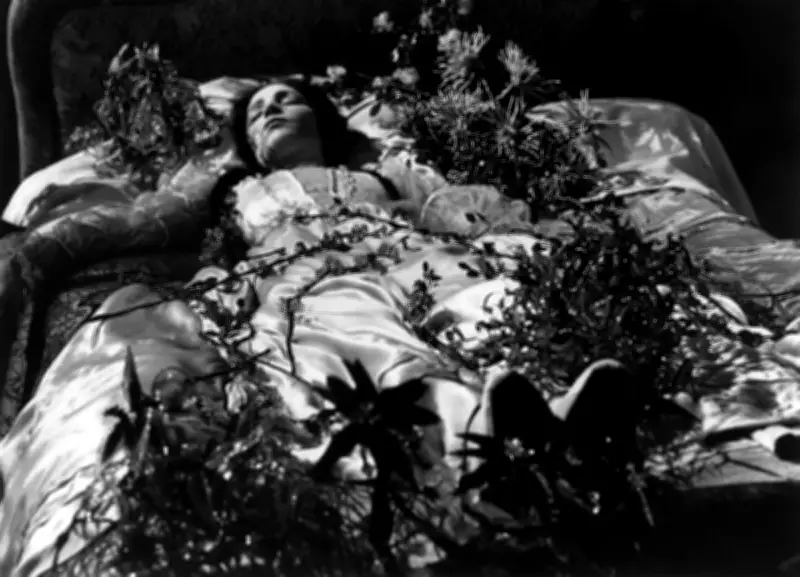
Kinaesthesia Review: A Scholarly Journey Through Early Cinema's Dreamscapes
Gerald Fox's documentary Kinaesthesia delves into the fascinating intersection of dreams and early cinema, presenting a treasure trove of visionary filmmaking from the silent era. Based on an essay by the late Harvard film studies professor Vlada Petrić, the film explores how pioneers of cinema employed techniques that mirrored the workings of the human mind during dreams.
The Dream as Original Cinema
Luis Buñuel famously declared that dreams were the first cinema, and his 1929 short film Un Chien Andalou, created with Salvador Dalí from their own dreams, remains a shocking testament to this idea nearly a century later. The documentary features this landmark work alongside dozens of other early films that harnessed dream logic and imagery.
Fox's film argues that early filmmakers consciously used cinematic devices to activate viewers' brains in ways similar to dreaming. Through expert editing of clips, Kinaesthesia recreates the revolutionary impact these techniques had on audiences in the 1910s and 1920s.

A Cinematic Lecture Through Film History
The documentary functions much like an erudite film-school lecture, comprehensively surveying experimental early cinema from German expressionists like FW Murnau and Fritz Lang to Soviet masters Sergei Eisenstein and Oleksandr Dovzhenko. It showcases remarkable moments such as DW Griffith's use of double exposure to create ghostly visions in The Avenging Conscience and Charlie Chaplin's surreal transformation into a chicken in The Gold Rush.
Kinaesthesia also highlights lesser-known gems, including Japanese filmmaker Teinosuke Kinugasa's 1926 work A Page of Madness, set in a psychiatric hospital and famously rediscovered years after being presumed lost. In recognition of early cinema's male dominance, the documentary dedicates a section to avant-garde filmmaker Maya Deren's groundbreaking contributions.
Production Elements and Critical Assessment
While Fox's narration occasionally veers toward the theatrical, and dramatic recreations featuring Serbian actor Goran Kostic as Professor Petrić add minimal value, the documentary's core strength lies in its meticulously curated film selections. The compilation effectively conveys the revolutionary spirit of early cinema and its enduring influence on how filmmakers explore consciousness and perception.
This scholarly endeavor provides essential viewing for anyone interested in cinema history, particularly how dream imagery and psychological exploration became fundamental to the medium's development. Kinaesthesia offers a comprehensive look at how early filmmakers transformed the flickering images of dreams into lasting cinematic art.
The documentary will be available in UK and Irish cinemas starting April 17th, presenting audiences with a unique opportunity to experience these pioneering works in their proper context.