Ken Loach Revisits the Stark Reality of 'I, Daniel Blake'
In 2016, Ken Loach's film I, Daniel Blake shocked audiences by exposing the harsh realities of Britain's welfare system, winning the prestigious Cannes Palme d'Or. Now, the director and star Hayley Squires look back on the project, revealing how its themes have only grown more relevant as food banks become entrenched in society.
The Cruelty of the System
"We were in a time of mean-spiritedness," recalls Loach, describing the political climate that inspired the film. "If you were vulnerable or needed support, you were met with punishment, and there was constant vilification of people who needed help." The film follows Daniel Blake, played by Dave Johns, a man who wants to work but finds himself trapped by bureaucratic obstacles that punish rather than assist.
Screenwriter Paul Laverty conducted extensive research, uncovering heartbreaking stories like that of a young man living in an empty flat with only a fridge and mattress. When asked about the contents of his fridge, the man revealed he hadn't eaten in two or three days. "It took our breath away," Loach admits, emphasizing that while characters are fictional, "all the stories are true."

The Iconic Food Bank Scene
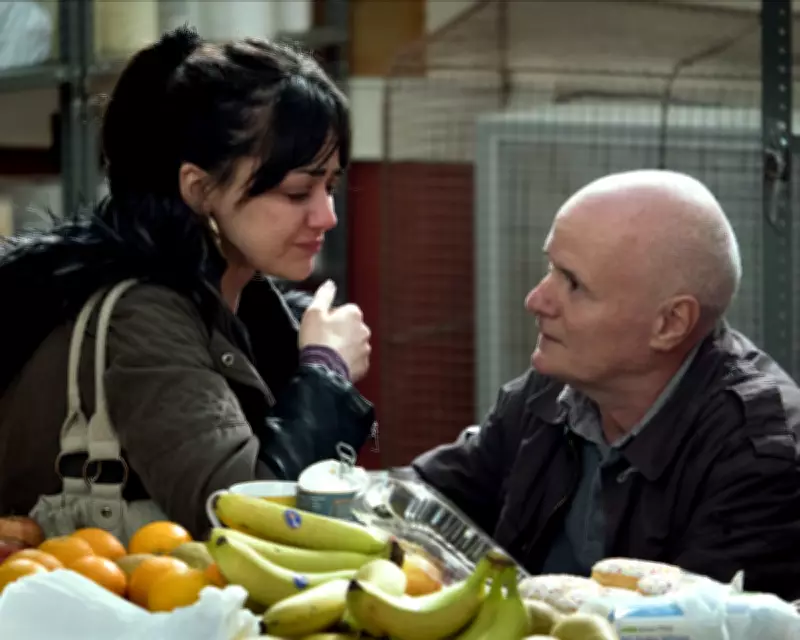
One of the film's most powerful moments occurs when Katie, played by Hayley Squires, visits a food bank and eats cold baked beans from her hand out of desperation. This scene was based on a real account from a Glasgow food bank. Loach explains, "I had a sense this had to be an emotional high point," but to preserve authenticity, he kept details minimal, sharing them only with Squires.
The scene was shot twice, with the first take used due to its raw intensity. "At the time, we tried to make a film asking whether food banks are tolerable," Loach reflects. "Now they're an institution in society. It's extraordinary that we accept people will starve unless they get food from a charity."
Authenticity in Casting and Performance
Squires was cast for her "authenticity, truth, belief, and warmth." During auditions in Newcastle, she and Johns improvised based on Loach's guidance rather than reading from a script. "On the way home, I called my mate and said, 'Well, I messed that up!'" Squires laughs, though her performance proved otherwise.
The shoot proceeded chronologically, with actors receiving pages only a day or two in advance. Squires prepared for the food bank scene by subtly reducing her food intake to understand hunger's physical and mental effects. "It creates a certain level of exhaustion and panic," she notes. Visiting a real food bank beforehand deepened her sense of responsibility to portray the experience truthfully.
Enduring Impact and Political Reaction
Upon the film's release, Tory minister Damian Green dismissed it as "a work of fiction." Loach counters, "Obviously the characters are fictional, but all the stories are true, the essence is true—and that's what they didn't want to face." The film's critique of systemic cruelty remains poignant as food poverty persists.
Squires describes the collaborative atmosphere on set as "like being part of a gang for six weeks." The food bank scene, shot with whispered secrecy between her and Loach, allowed empathy to flourish through careful direction and cinematography by Robbie Ryan.
As Loach concludes, the normalization of food banks highlights a troubling societal shift. What was once unimaginable has become institutionalized, making I, Daniel Blake not just a film of its time but a continuing commentary on poverty and compassion in modern Britain.