Katy Perry's Space Flight: A Year Later, Controversy Still Clouds Pop Star's Journey
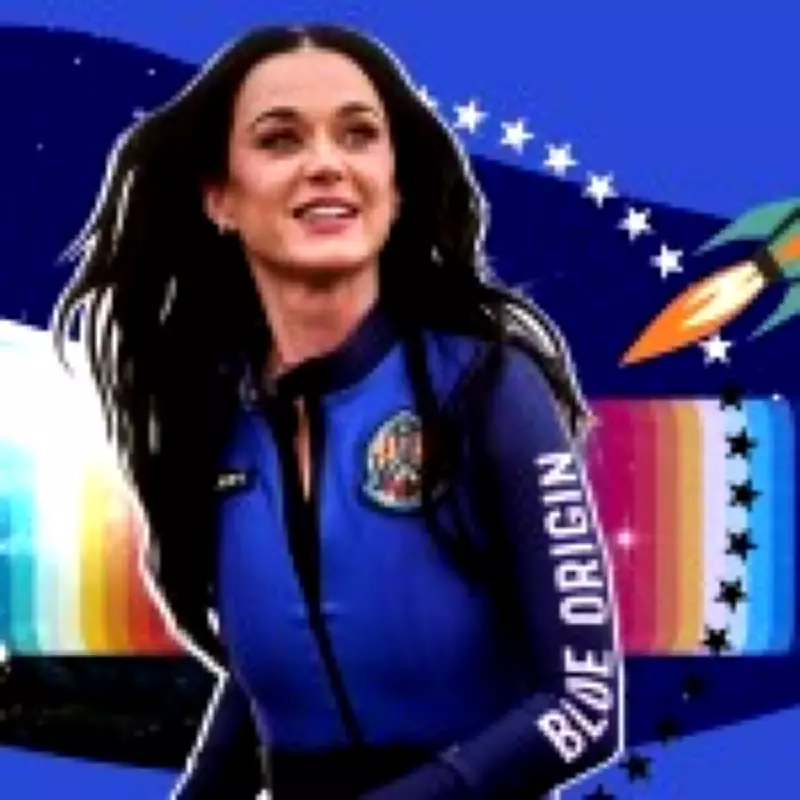
One year ago today, pop icon Katy Perry returned to Earth after a brief but highly publicized trip to space, a moment that remains deeply polarizing and baffling to many. In February of last year, Perry announced her participation in Jeff Bezos' Blue Origin space tourism flight as part of an all-female crew, a decision that immediately ignited intense criticism and backlash.
Backlash and Ethical Concerns
From the outset, Perry faced scrutiny for collaborating with Amazon founder Jeff Bezos, whose company has faced repeated allegations over poor working conditions. Critics also mocked her surface-level messaging, such as her hope to "encourage her daughter and others to reach for the stars" and a cheeky comment about "putting the ass in astronaut," which was widely ridiculed. The mission, billed as historic for featuring the first all-female space team in 60 years, was overshadowed by perceptions of wealth and privilege, with ticket costs estimated at $28 million.
Perry was joined by Bezos' partner Lauren Sanchez, TV host Gayle King, NASA engineer Aisha Bowe, scientist Amanda Nguyen, and filmmaker Kerianne Flynn, all chosen as "storytellers" to share their experiences. However, Perry bore the brunt of public frustration, with many labeling the mission "tone-deaf" during economic struggles. Celebrities like Olivia Munn and Amy Schumer criticized it as "wasteful" and "beyond parody," while the crew's glamorous jumpsuits and photo ops turned the feminist narrative into a spectacle.

Comparisons to Real Astronauts
Perry's claims that the trip was "about making space for future women" were further questioned, especially in light of recent achievements like NASA's Artemis II mission. That mission saw astronauts like Christina Koch, who underwent years of rigorous training, make history as the first woman to travel beyond low Earth orbit. In contrast, Perry's preparation was minimal, highlighting a disparity with aspiring female astronauts worldwide.
During the flight, which included four minutes of weightlessness, Perry sang Louis Armstrong's "What a Wonderful World" and promoted her upcoming tour. Upon landing, she kissed the ground—a move mocked as "cringe" given the short duration—and described the experience as a "highest high," teasing a new song inspired by space.
Aftermath and Personal Struggles
In the weeks following, Perry expressed feeling "battered and bruised" by the backlash, addressing fans on social media about staying true to herself despite feeling like a "human Piñata." Her public profile took further hits with criticism of her album "143" and some "cringe" reviews of her Lifetimes tour, though it became her second-highest-grossing tour ever. Personal life changes, including a split from Orlando Bloom and a new relationship with former Canadian Prime Minister Justin Trudeau, added to the media frenzy, with fans rallying around the couple despite initial perplexity.
Today, a year later, Perry has managed to rebound, but the legacy of her space flight remains a topic of debate. It underscores broader issues of celebrity influence, ethical consumption in space tourism, and the gap between symbolic gestures and substantive achievements in STEM fields.