Hollywood Stars Rally Against Paramount's Warner Bros Discovery Merger
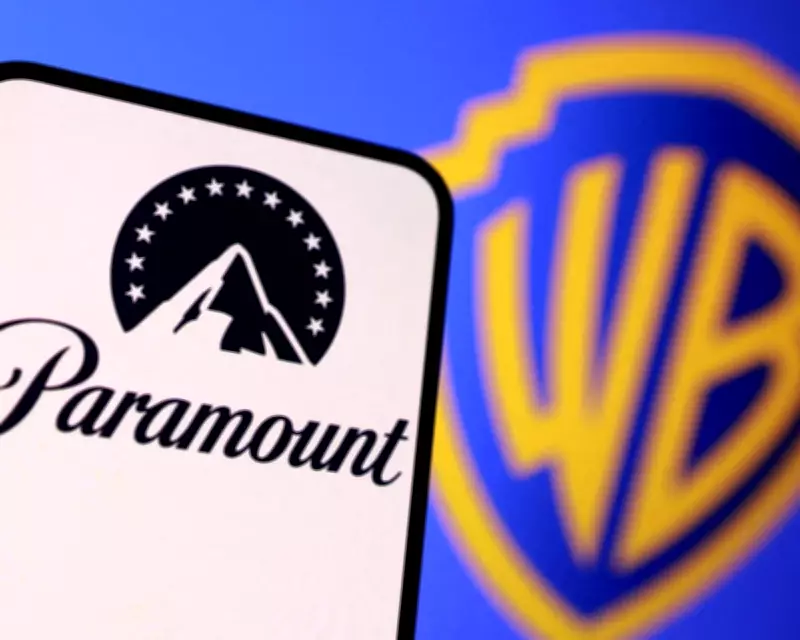
In a significant industry-wide protest, more than 1,000 film and television professionals have signed an open letter opposing Paramount's pending acquisition of Warner Bros Discovery. The deal, valued at approximately $111 billion, is awaiting regulatory approval and has sparked widespread concern among Hollywood elites.
Celebrity Signatories Voice Concerns
The open letter, published on BlocktheMerger.com, features signatures from high-profile actors and directors, including Mark Ruffalo, Emma Thompson, Joaquin Phoenix, Ben Stiller, and Kristen Stewart. Other notable names include Jane Fonda, Javier Bardem, Glenn Close, and Lin-Manuel Miranda. The letter argues that the merger would "prioritise the interests of a small group of powerful stakeholders over the broader public good," potentially compromising the integrity and diversity of the entertainment industry.
Industry Impact and Historical Context
The letter highlights that media consolidation has already weakened the U.S. film and TV sector, a vital global industry. It warns that reducing the number of major studios to just four could lead to fewer opportunities for creators, significant job losses, and diminished quality in storytelling. Signatories with ties to both studios, such as Ruffalo's work with HBO and Warner Bros, and Stiller's projects distributed by Paramount, underscore the personal stakes involved.

Regulatory Scrutiny and Corporate Response
California Attorney General Rob Bonta and other state officials are reportedly examining the merger, with potential legal action to block it. In response, Paramount issued a statement defending the deal, claiming it would "greenlight more projects" and support talent globally. However, skepticism remains, fueled by fears that the Ellison family's political connections might influence content decisions.
Broader Implications for Hollywood
The protest reflects deeper anxieties about consolidation in Hollywood, including the erosion of mid-budget films and independent distribution. As the industry grapples with these changes, the outcome of this merger could shape the future of American cultural exports and creative expression worldwide.