Harry Clark Goes to Rome: A Heartfelt Exploration of Faith and Family Bonds
In a surprising turn of events, the BBC documentary Harry Clark Goes to Rome delivers an unexpectedly emotional journey that transcends typical religious programming. The Traitors winner, known for his military background and reality TV success, takes viewers on a deeply personal pilgrimage to the Vatican, but it's his relationship with his mother that emerges as the true emotional anchor of the film.
A Warning for Sensitive Viewers
Viewer discretion is strongly advised for this documentary. Particularly for those who might identify as lapsed Catholics of a certain age, the emotional content proves overwhelming. The raw honesty displayed by Clark and his mother Georgia creates moments so genuine that they risk triggering unexpected emotional responses in even the most stoic viewers.
From Army Engineer to Spiritual Seeker
Harry Clark, a 25-year-old cradle Catholic from a long line of believers, finds himself questioning his faith despite his upbringing. This spiritual crisis emerges from two distinct sources: the typical challenges faced by a young man navigating newfound fame, and a more serious struggle with mental health that followed his departure from military service.

Clark openly discusses reaching a point where he felt "all hope was lost" and contemplated leaving this earth. While the Catholic Church traditionally views suicide as sinful due to its interpretation as despair and betrayal of God, Clark's primary concern appears centered on the impact his struggles had on his family, particularly his mother.
The Mother-Son Dynamic That Steals the Show
The documentary's structural framework follows Clark's attempts to secure a private audience with Pope Leo XIV, but the emotional core consistently returns to his relationship with his mother. Georgia accompanies her son to Rome, providing both practical support and profound wisdom throughout their shared journey.
Their interactions range from marveling at Rome's architectural wonders together to more intimate moments addressing Clark's spiritual doubts. When Clark worries that his 24-hour fast hasn't brought him closer to God as intended, his mother offers the simple, timeless wisdom: "I expect you're just hangry."
Genuine Encounters in the Holy City
As Clark navigates Vatican bureaucracy in his quest to meet the Pope, he encounters various members of the Catholic clergy. These meetings stand out for their authenticity, avoiding the potential awkwardness or exploitation that sometimes characterizes such interactions in documentary filmmaking.
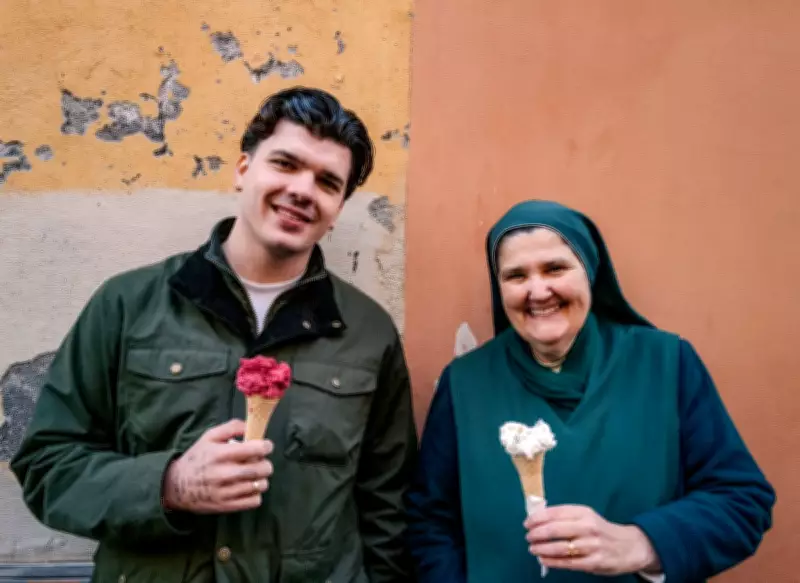
The clergy members recognize Clark's genuine faith and sincere questions, treating him with respect despite his admitted naivety about certain religious protocols. One particularly touching moment occurs when Sister Emanuela from Wigan encourages Clark to return to confession after a decade-long absence, prompting his memorable declaration: "I can't break a promise to a nun!"
A Documentary That Transcends Its Premise
What begins as a simple exploration of one man's faith evolves into a multifaceted examination of family bonds, mental health recovery, and the universal human search for meaning. Clark's honesty about his struggles, combined with his mother's unwavering support, creates a narrative that resonates far beyond Catholic audiences.
The documentary avoids easy answers or simplistic resolutions, instead presenting faith as an ongoing journey marked by both doubt and discovery. Whether Clark ultimately achieves his goal of meeting the Pope remains deliberately undisclosed, preserving the documentary's narrative integrity while emphasizing that the journey itself proves more significant than any destination.
Critical Reception and Viewer Impact
Early reviews have highlighted the documentary's emotional depth and Clark's natural presence before the camera. His description of himself as "the smartest dumbest person" his mother knows captures the self-aware humility that makes him such a compelling documentary subject.

The program has sparked conversations about mental health representation in religious contexts and the complex relationship between personal faith and institutional religion. By presenting Clark's journey without judgment or agenda, the documentary allows viewers to draw their own conclusions about faith, family, and personal growth.
Harry Clark Goes to Rome originally aired on BBC One and remains available on iPlayer for UK viewers. The documentary includes appropriate resources for those affected by its mental health discussions, with contact information for support services including Samaritans in the UK and Ireland, the National Suicide Prevention Lifeline in the United States, and Lifeline in Australia.