Emerald Fennell's Controversial Take on Wuthering Heights Sparks Outrage
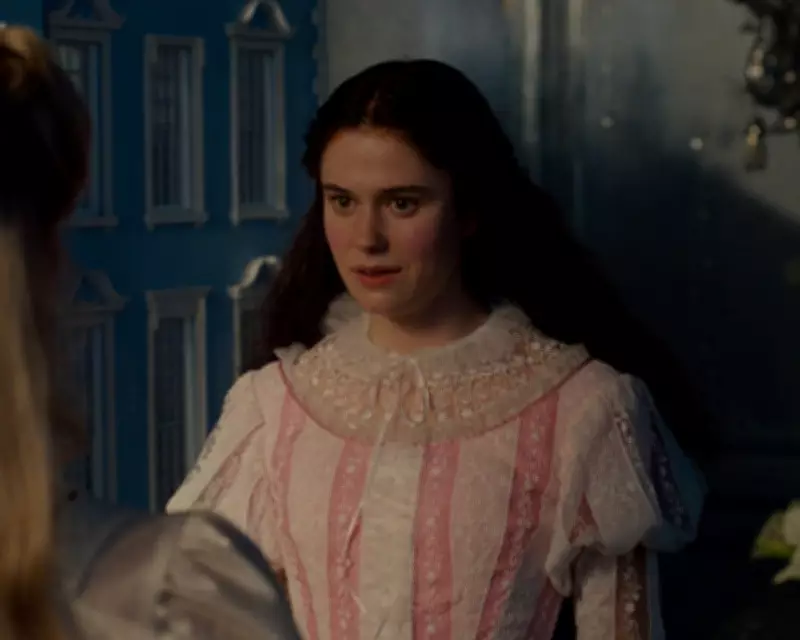
In Emerald Fennell's highly anticipated adaptation of Emily Brontë's classic novel Wuthering Heights, the character of Isabella Linton undergoes a radical transformation that has drawn sharp criticism from literary scholars and abuse survivors alike. Rather than portraying Isabella as a victim of Heathcliff's abusive marriage who ultimately gains agency through escape, Fennell presents her as a sexually willing participant in her own degradation.
Betrayal of Brontë's Original Vision
Emily Brontë's 1847 gothic masterpiece explores themes of class, race, and the destructive nature of obsessive love within a hierarchical society. The novel's tragedy stems from how love becomes distorted into dangerous fixation, with no character emerging unscathed. Isabella Linton's journey represents a particularly poignant arc of victimization and eventual liberation.
In Brontë's original narrative, Isabella becomes trapped in an intensely abusive marriage to Heathcliff, unaware of his vindictive motives toward her family. Her eventual escape to London represents a hard-won victory, though one that leaves her with considerable psychological scars. This pivotal moment of agency has been completely erased in Fennell's interpretation.

From Victim to Willing Participant
Fennell's adaptation reduces Isabella to a consenting BDSM participant who willingly submits to being chained and treated like a dog. While this might appear tantalizing to viewers unfamiliar with the source material, those acquainted with Brontë's work recognize the disturbing parallel: in the novel, Heathcliff actually hangs a dog. The film essentially transforms Isabella into that hanged animal, fetishizing her degradation rather than honoring her survival.
The director has defended her creative choices, telling Entertainment Weekly that while she "visually added some things" to the controversial dog scene, it remains "almost all Brontë." However, this claim contradicts the fundamental alteration of Isabella's character from survivor to submissive.
Dangerous Parallels to 'Rough Sex Defense'
Perhaps most troubling is how Isabella's portrayed consent mirrors what legal experts term the "rough sex defense." For decades, defendants in assault and homicide cases have argued that harm occurred during consensual rough sex, thereby shifting blame onto victims. This legal strategy represents one of many ways violence against women gets excused in courtrooms and popular culture.
For abuse survivors, seeing Isabella transformed into an objectified caricature sends alarming messages about victimhood and consent. Fennell's execution appears deliberately designed to shock audiences with sexually charged imagery that ultimately dilutes the generational trauma Brontë explores through Heathcliff's abuse of Isabella.
Wider Trend of Romanticizing Abuse
Fennell's approach reflects a broader trend in contemporary adaptations that romanticize abusive relationships. The recent film Pillion, based on Adam Mars-Jones's novel Box Hill, similarly transformed a rape scene from the original book into a consensual exchange with blurred boundaries. While intended to make difficult material more palatable, such alterations often end up muddying ethical waters rather than clarifying them.
What makes Pillion particularly uncomfortable viewing is its unvarnished portrayal of extreme relationship dynamics, contrasting sharply with Fennell's lavishly cinematographed interpretation that contains little genuine discomfort or transgressive complexity.
Missing the Point of Brontë's Gothic Tragedy
Brontë's Wuthering Heights fundamentally concerns violation and unhealed trauma that poisons everyone it touches. The novel was never intended to be arousing or provocative in a sexual sense; rather, it exposes how obsession corrodes human connection. By turning Isabella into a consenting submissive, Fennell makes Heathcliff's monstrous behavior seem less reprehensible—even sexy—to modern audiences.

This adaptation represents a significant departure from the source material's exploration of abuse survival. Fennell has essentially robbed Isabella of her hard-won agency to sell a grotesque sexualization of domestic abuse, prioritizing shock value over the psychological complexity that makes Brontë's novel endure nearly two centuries after its publication.