Diamanti Review: A Luscious 1970s Costume Melodrama Celebrating Seamstress Sisterhood
Director Ferzan Özpetek's latest film, Diamanti, immerses audiences in the vibrant world of a 1970s Roman costume atelier, where the lives and loves of a group of seamstitches unfold against a backdrop of sumptuous fabrics and soapy drama. This comedy-drama, while leaning more heavily on melodrama than humor, offers an irresistible charm, particularly for those drawn to queer-accented celebrations of women portrayed by powerhouse ensembles reminiscent of George Cukor's The Women, François Ozon's 8 Women, or Pedro Almodóvar's films.
A Visual Feast of Craftsmanship and Camaraderie
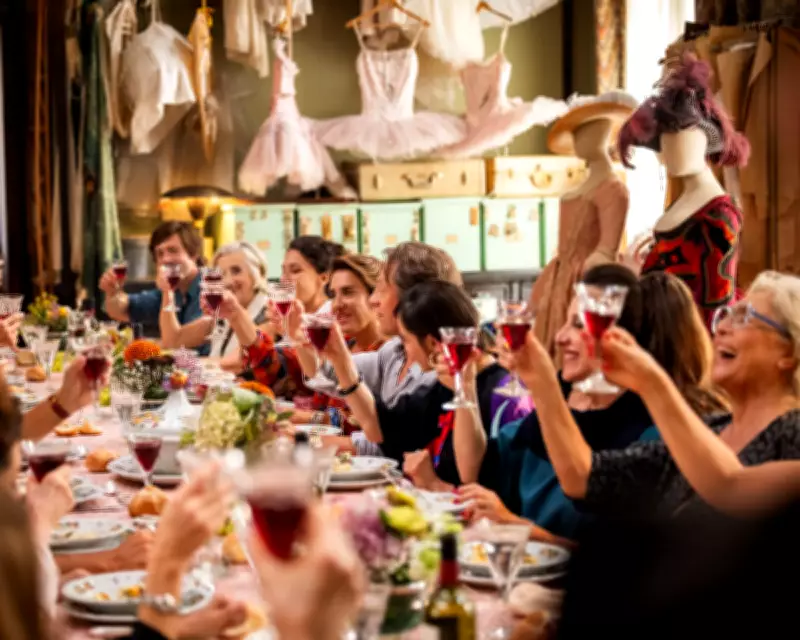
The film is a visual delight, awash in luscious period costumes that specialize in 18th-century silhouettes and 1970s prints. Viewers are treated to lust-inducing shots of silk fabric billowing in slanting sunlight, the meticulous organization of button collections that border on haberdashery porn, and the palpable camaraderie of collective craftsmanship, especially in the detailed seamwork. Adding to the sensory experience are mouthwatering food footage and scenes where women bicker one moment and embrace the next in sisterly fashion, punctuated by the occasional clueless male who provides baritone or tenor vocals for communal singsongs to vintage 70s Italian ballads.
Behind the Scenes: A Labor of Love
Set in 1974, Diamanti follows sisters Alberta, played by Luisa Ranieri, and Gabriella, portrayed by Jasmine Trinca, as they run a bustling costume studio staffed by dozens of seamstresses. The ensemble is supplemented by a dyeing specialist, Nicole Grimaudo, and an in-house cook and nonna figure, Mara Venier. Özpetek, known for works like Hamam and Facing Windows, infuses the film with personal sincerity, drawing inspiration from his visits to Roman costume studios in the 1980s during his early career as an assistant director. Though he may not reach Almodóvar's heights, his affection for this world is evident throughout.

Soapy Subplots and Tensions
The film kicks off with a framing device where Özpetek gathers his cast for a read-through, humorously described as a 'vaginodromo' by one character, Geppi Cucciari. Girl-on-girl tension simmers as the studio grapples with deadlines and budget constraints, especially after winning a commission to costume an 18th-century period film designed by the visionary Bianca Vega, possibly inspired by legendary costumier Milena Canonero. Emotional conflicts abound, particularly between business-minded Alberta and her grief-stricken sister Gabriella, while subplots include a battered wife urged to defy her husband, a political protestor with a talent for passementerie, and a young boy hiding in the button closet due to his mother's financial struggles.
Pacing and Performance Highlights
Despite its 135-minute runtime, Diamanti never feels draggy, thanks to a breathless script and Özpetek's adept direction of a stacked cast. The costumes, designed by Stefano Ciammitti of Io Capitano fame, are convincing throughout, with the exception of a delightfully bonkers climactic dress for the movie-within-the-movie—a sculptural creation of scroll motifs and cellophane wrappers that evokes Daniel Lee's Schiaparelli haute couture more than a functional film costume. Diamanti premieres in UK and Irish cinemas from April 17, offering a fluffy yet heartfelt ode to the artistry and sisterhood of seamstresses.