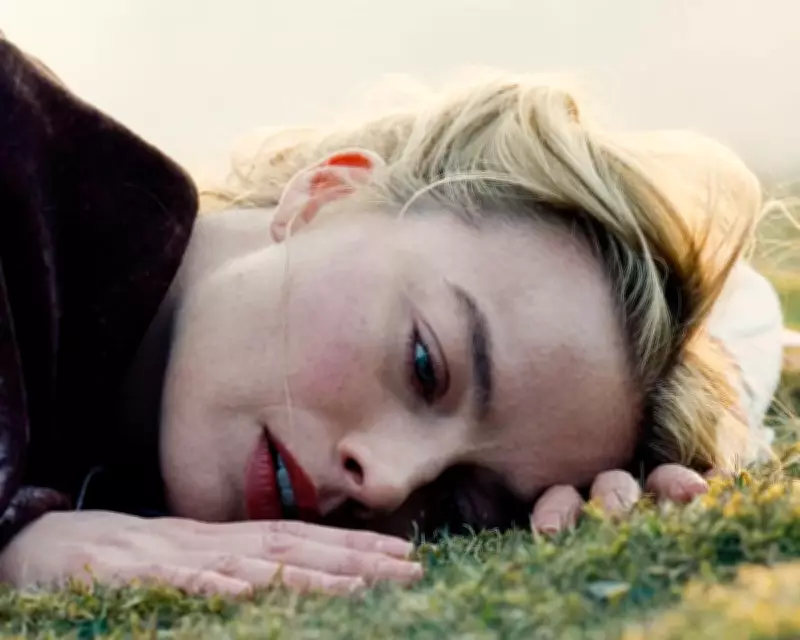
In a surprising and enthusiastic endorsement, staff members at the historic Bronte Parsonage Museum have publicly praised Emerald Fennell's latest cinematic venture, a daring and modern reinterpretation of Emily Bronte's classic novel, Wuthering Heights. The film, which has generated significant buzz for its bold and provocative approach, has found unexpected champions among the guardians of the Bronte literary legacy.
Modern Interpretation Meets Classic Literature
The museum's team, responsible for preserving and promoting the works of the Bronte sisters, has commended Fennell for her audacious vision. They highlight that the adaptation, while controversial to some traditionalists, successfully captures the raw, passionate essence of the original story, translating its timeless themes of love, revenge, and social constraint into a contemporary context. This support from such a respected institution adds a layer of cultural validation to the film's artistic merits.
Staff Perspectives on the Adaptation
According to sources close to the museum, employees have expressed that Fennell's version revitalizes interest in Bronte's work, particularly among younger audiences who might otherwise overlook 19th-century literature. They argue that the film's so-called "racy" elements are not gratuitous but serve to emphasize the novel's inherent intensity and emotional turmoil, making it more accessible and relevant today.

The museum's endorsement is seen as a progressive move in the cultural sector, challenging the notion that classic adaptations must adhere strictly to period conventions. Instead, they embrace innovation as a means to keep literary heritage alive and engaging. This stance has sparked discussions about the role of museums in contemporary artistic dialogues.
Impact on Museum and Cultural Discourse
The positive reception from the Bronte Parsonage Museum could influence public perception and boost visitor numbers, as fans of the film may seek to explore the historical context of the novel. It also sets a precedent for other heritage sites to engage with modern reinterpretations of their associated works, fostering a dynamic relationship between past and present.
Emerald Fennell, known for her Oscar-winning work, has yet to comment on the museum's praise, but this endorsement likely bolsters the film's credibility amid mixed critical reviews. The collaboration between a historic museum and a cutting-edge filmmaker underscores the evolving nature of cultural preservation and artistic expression.