10 Movie Soundtracks That Revolutionized How We Experience Cinema
From the live pianists of the silent era to the symphonic pop of Henry Mancini and the electronic fusion of Hans Zimmer, movie soundtracks have fundamentally shaped our cinematic journeys. Ahead of the London Soundtrack Festival, its artistic director highlights ten scores that not only defined their eras but also permanently altered the way audiences listen to films. The evolution of film music began with synchronized sound in the 1920s, but it was the influx of European composers in the 1930s that established Hollywood's musical bedrock, blending opera, symphony, and music hall traditions.
The Dawn of Synchronized Sound and Symphonic Foundations
In cinema's earliest days, live musicians provided the soundtrack, but the 1926 film Don Juan marked a turning point with Warner Bros' Vitaphone system, using discs played alongside the picture. This led to 1927's The Jazz Singer, the first film with synchronized voices, though true soundtracks emerged only when music could be printed directly onto film celluloid. By the early 1930s, film music found its footing, thanks to émigré composers who infused Hollywood with stylistic flair from European traditions.
Trailblazing Scores That Moved the Dial
Sunrise: A Song of Two Humans (1927): Directed by FW Murnau, this Oscar-winning film utilized Fox's Movietone system to optically print sound onto film, featuring recorded music by composers like Chopin and Gounod, pioneering synchronized audio experiences.

King Kong (1933): Max Steiner's score for RKO refined how orchestras could enhance narrative, structure, and emotion, laying the foundation for all subsequent symphonic Hollywood film music with its meticulous attention to detail.
Citizen Kane (1941): Bernard Herrmann's debut film score eschewed the typical Hollywood symphonic style, creating a bespoke sound-world that emphasized mood and atmosphere, showcasing a dramatic and unique approach.
Blackboard Jungle (1955): This film featured Bill Haley's Rock Around the Clock, marking a shift away from traditional symphonic music and demonstrating how pop songs could drive film promotion and influence cultural trends.
Forbidden Planet (1956): Louis and Bebe Barron crafted the first entirely electronic film score, blending effects and music to surprise audiences and inspire future composers with its otherworldly sounds.
Breakfast at Tiffany's (1961): Henry Mancini's symphonic pop style, including the hit song Moon River, merged melodic traditions with contemporary sounds, influencing scores like Hatari! and The Pink Panther.
2001: A Space Odyssey (1968): Stanley Kubrick's use of classical pieces by Ligeti, Richard Strauss, and others, instead of an original score, created one of the most impactful soundtracks, enhancing the film's enigmatic and powerful atmosphere.
American Graffiti (1973): George Lucas's film featured over 40 rock'n'roll songs carefully integrated into the narrative, popularizing song-led soundtracks and inspiring a new wave in cinematic music.
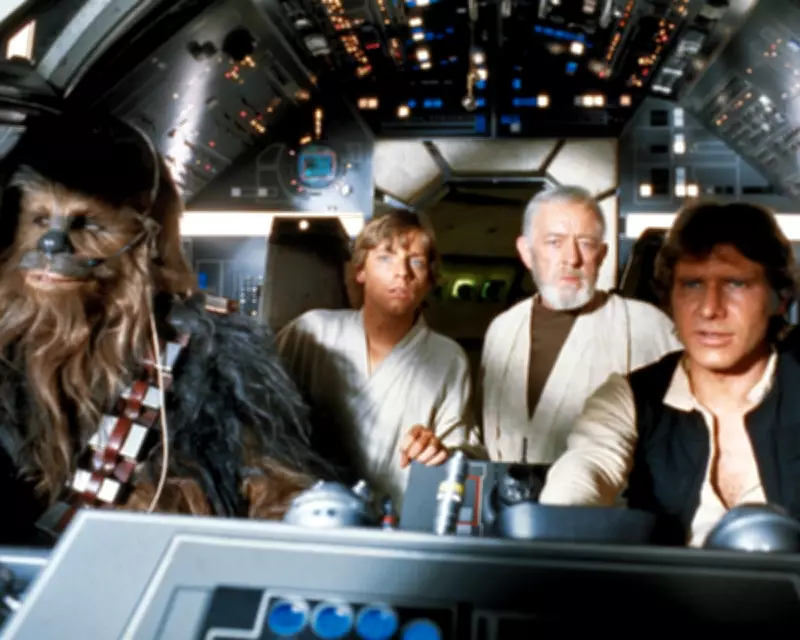
Star Wars: A New Hope (1977): John Williams revived the symphony orchestra with a score that nodded to Holst and Korngold, making audiences fall in love with symphonic music again and redefining Hollywood's sonic landscape.
Crimson Tide (1995): Hans Zimmer fused electronic music with orchestral and choral elements, creating a huge, unyielding sound that birthed the modern Hollywood film music aesthetic, showcasing his innovative approach.
These ten soundtracks illustrate the dynamic evolution of film music, from its silent origins to today's electronic symphonies. As Michael Beek, artistic director of the London Soundtrack Festival running from 9-12 April, notes, these scores have not only soundtracked movies but have fundamentally changed how we experience and listen to cinematic stories, proving that music remains an indispensable part of the filmmaking process.