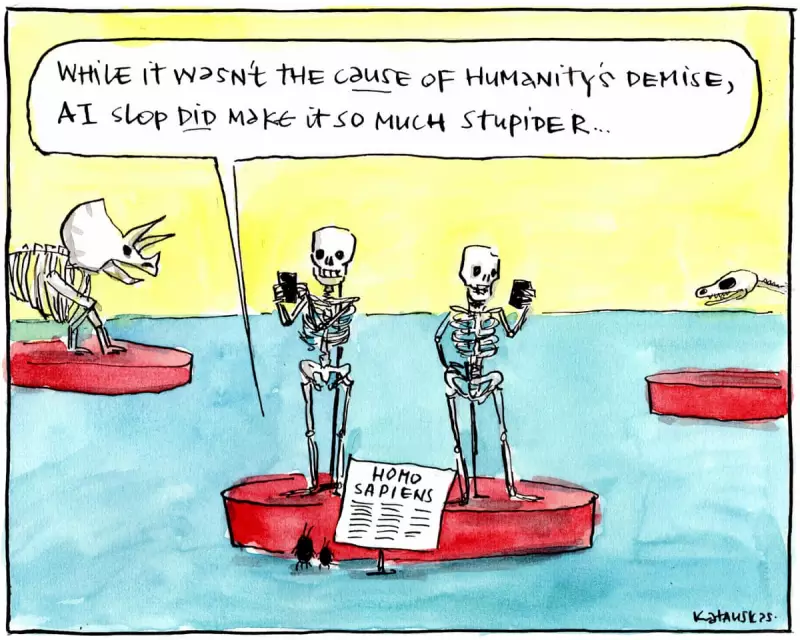
As we stand at the precipice of a technological revolution driven by artificial intelligence, a profound question emerges: how will our children, and their children, look back on the decisions we are making today? The choices we are currently implementing—from automated decision-making to generative art—will form the bedrock of their historical understanding of this pivotal era.
The Unfolding Narrative of AI Adoption
We are living through the formative years of widespread AI integration. Every algorithm deployed, every automated system approved, and every ethical boundary tested is writing a chapter in a story that future historians will meticulously analyse. Our present is their past, and the lens through which they will view it remains uncertain. Will they see pioneers courageously embracing progress, or shortsighted architects of systemic risk?
The rapid development of tools that can create text, images, and even complex reasoning poses unique challenges. We are delegating tasks once considered uniquely human to machines, a shift with deep cultural and economic ramifications. The societal structures we are building now—or allowing to be built—will define their world in ways we can only partially foresee.

Ethical Quandaries and the Long View
Central to this future judgement will be our handling of AI's ethical dilemmas. Issues of bias in training data, transparency in automated processes, and the potential for mass job displacement are not just technical problems. They are moral choices that will resonate through time. Future generations may well question why more robust safeguards were not instituted earlier, or why commercial imperatives often seemed to outweigh precautionary principles.
Furthermore, the environmental cost of powering vast AI data centres and the concentration of technological power in the hands of a few corporations are likely to be significant points of critique. The legacy of our carbon footprint and our approach to digital equity will be scrutinised by those living with the long-term consequences.
Shaping the Historical Verdict
The narrative is not yet fixed. How future generations view this period depends immensely on actions taken now. Proactive regulation, inclusive dialogue about AI's role, and investment in digital literacy can steer the story towards one of responsible stewardship. Conversely, a passive or purely profit-driven approach risks crafting a legacy of negligence.
Ultimately, the question is not merely about technology, but about us. It is a mirror held up to our current values, our priorities, and our vision for humanity's relationship with its own creations. The verdict of history is still ours to influence, one policy, one innovation, and one ethical choice at a time.