Readers have pushed back against the notion that music festivals like Coachella and Reading should have age limits, responding to a recent article suggesting that people over a certain age should avoid such events. The letters, published in response to Emma Brockes' piece on Justin Trudeau's attendance at Coachella, argue that cultural participation should not be restricted by age and that festivals offer benefits for all generations.
Personal Experiences Defy Age Stereotypes
Peter Antolik from London, aged 57, shared his positive experience at the Reading Festival with his wife and teenage daughter. He described dancing in the EDM tent, singing in silent karaoke, and being approached by young attendees who appreciated seeing older people enjoying the festival. Antolik emphasized that engaging with pop culture helps bridge generational gaps. "Taking the opportunity to understand festival and pop culture brings us closer to the world our children are living in," he wrote, adding that age-based restrictions create barriers to empathy.
Naomi Jensen from California humorously recalled crowdsurfing at Lollapalooza before her son was born, noting that while she wouldn't repeat that, she still values festival experiences. She praised Brockes' wit but disagreed with the premise that age should dictate participation.
Research Supports Festival Attendance for Older Adults
Sarah Munro from London cited scientific evidence to counter ageist assumptions. She referenced a 2023 systematic review in the European Journal of Public Health showing that active music participation supports wellbeing in adults over 40, reducing depression and improving cognitive function. A 2025 study on electronic dance music festivals found that 91% of older participants reported positive wellbeing effects, describing the experience as spiritual and socially rejuvenating. Munro, in her mid-50s, compared Glastonbury to Coachella and argued that joy does not expire with age.
Andrew Mack from Australia, aged 52, wrote that music has been a constant source of joy and comfort throughout his life. He plans to attend Primavera with his son this year, not just to accompany him but to experience the music himself. "There are few things better than feeling the goosebumps appear at a live event or shedding a tear at a festival when you hear something that moves you," he said, encouraging others to ignore ageist advice.
Performers Themselves Are Often Older
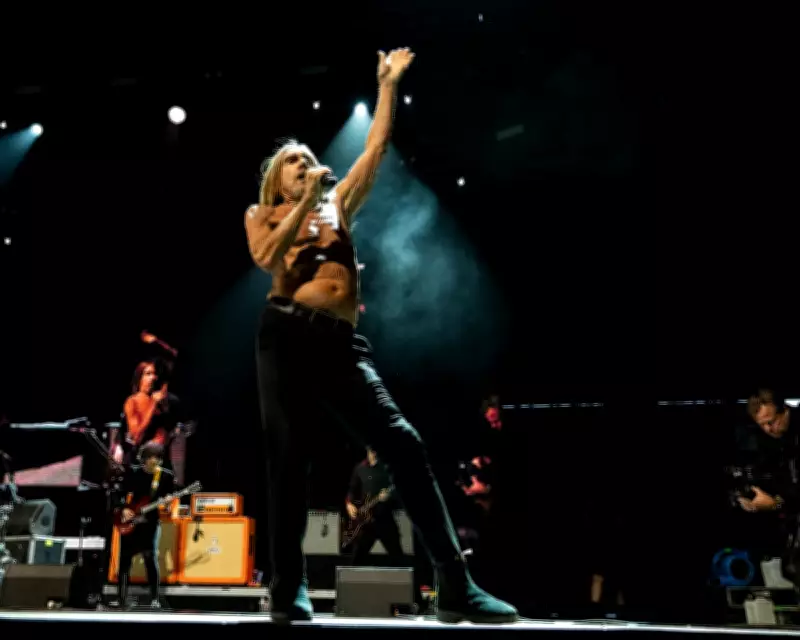
Ally McDermot from Tasmania pointed out a glaring contradiction in age-based criticism: many performers at Coachella 2026 were themselves older, including Iggy Pop (79), David Byrne (73), and Norman Cook (62). "To suggest that the audience should be age-gated when the performers themselves are veterans is a glaring contradiction," he wrote. He called the idea of age limits on cultural participation a form of ageism that has no place in progressive discourse.
RJ Remington from Canada also noted Iggy Pop's performance at Coachella, implying that if such an older artist can perform, attendees of similar age should be welcome.
A Call for Inclusivity
The letters collectively argue that music festivals are spaces for everyone, regardless of age. They reject the idea that certain cultural experiences should be reserved for the young and emphasize that shared joy and connection are timeless. As Sarah Munro concluded, "When people – of any age – find something that brings them genuine happiness and harms nobody, the appropriate response is surely to leave them to it."