In today's competitive job market, Generation Z is increasingly turning to unconventional methods to secure employment, including social media platforms and even dating apps. With unemployment rates climbing and hiring rates at a five-year low, young workers are finding that traditional applications often go unnoticed.
Bold Strategies to Stand Out
Sibusisiwe Khupe, 26, entered the job market again in September after unexpected layoffs at London marketing agency Wieden+Kennedy. She knew landing her next role would be challenging, but she had a plan. In a LinkedIn post, she described herself as a “really hot, really talented, really funny” Gen Zer and sent a humorous slide deck to senior executives. After a four-month search, she landed a senior creative role at Gravity Road. “In this climate, being bold and confident will go a long way because people will remember you,” she said.
Gen Z workers are facing the toughest job market since the pandemic. The number of job seekers vastly outweighs available positions, and competition is fierce. According to LinkedIn, the global hiring rate has dropped to a five-year low, while the number of applicants per job opening has increased by nearly 30%. As companies increasingly use AI to screen résumés, young workers are turning to social media to reach executives directly.
TikToks as Résumés
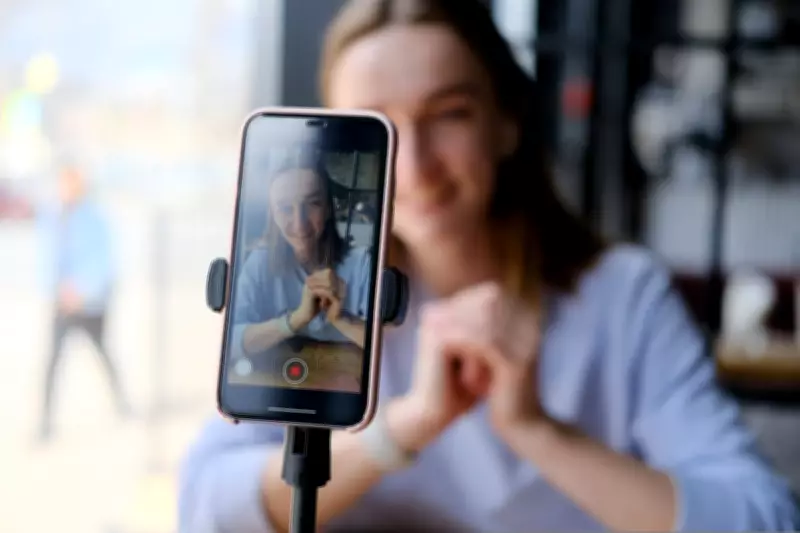
Vicki Salemi, career expert at Monster and former recruiting manager at Deloitte, notes that TikToks are “essentially becoming extensions of gen Z’s résumés.” This generation is accustomed to creating content and treats job searching like content creation. Priya Rathod, workplace trends editor at Indeed, adds that Gen Z is “aware that they have to employ every tactic out there available to them to get noticed.”
Going Viral
Some Gen Zers in the US report sending out up to 1,000 applications without success. Anya Roodnitsky, 22, applied to hundreds of jobs in her senior year at Dartmouth College, carefully tailoring each application. By February, she hadn’t heard back from any company. Feeling desperate, she created a 94-second PowerPoint video résumé with emojis and self-deprecating humor, which went viral with over half a million views. The video led to 52 coffee chats, 20 referrals, 10 interviews, and ultimately a job offer as a solar analyst. “Instagram truly is the new LinkedIn,” she half-joked.
Young workers in the US face hiring conditions worse than the Great Recession in some measures, with higher unemployment rates and rising layoffs. Salemi says these strategies help candidates network and land informational interviews, highlighting soft skills like storytelling and enthusiasm. However, she warns that video résumés are not a replacement for traditional applications.
Into the Void
About 72% of candidates report that job searching negatively affects their mental health, and two-thirds feel burned out before landing a job, according to The Interview Guys. Danielle Nicholson, a Gen Z career coach, says it often feels like applying into the void with no response. “You shouldn’t have to become an influencer to get a job,” she says, but having a professional presence online helps demonstrate real skills.
Some Gen Zers are even using dating apps to build professional connections. About one-third of dating app users say they use the platforms for professional purposes, according to a Resume Builder survey.
The Cherry on Top
Going viral isn’t enough to guarantee employment. Roodnitsky notes that she still had to go through a lengthy application process. There are risks to quirky “Hire Me” presentations, as they may highlight misalignment with employer culture. As more candidates use video, it risks losing novelty. Career coaches advise that video résumés should be tailored to the industry and role. Rathod compares them to “the cherry on top” if the candidate already has the required qualifications.
Many job seekers feel that moving the needle is essential. Luna Escobar, 20, a student at UC Berkeley, applied to nearly 30 internships, spending about eight hours per application. After posting a video résumé on Instagram, she finally heard back from one company that had ghosted her for months. “It definitely might’ve pushed me to the next step,” she said, hoping for a summer internship.