The Allure of the Tradwife World
In recent months, the tradwife culture has exploded in popularity, with novels and social media accounts gaining massive followings. This trend, centered on traditional homemaking roles, raises questions about its appeal to young women. A journalist spent a month immersing herself in this world, consuming content from influencers like Hannah Neeleman and Nara Smith, reading tradwife novels, and even trying their recipes to understand the fascination.
The Rise of Tradwife Influencers
Neeleman and Smith, often labeled as tradwives, boast millions of followers on platforms like Instagram and TikTok. Their content showcases idyllic family life, cooking from scratch, and rural aesthetics, sparking viral discussions and a surge in related media. Novels such as Yesteryear by Caro Claire Burke, which is being adapted into a film, explore the complexities behind this seemingly perfect lifestyle. Burke's work highlights that the freedom portrayed may be an illusion, with financial control often resting with husbands and family expectations looming large.
A Personal Experiment
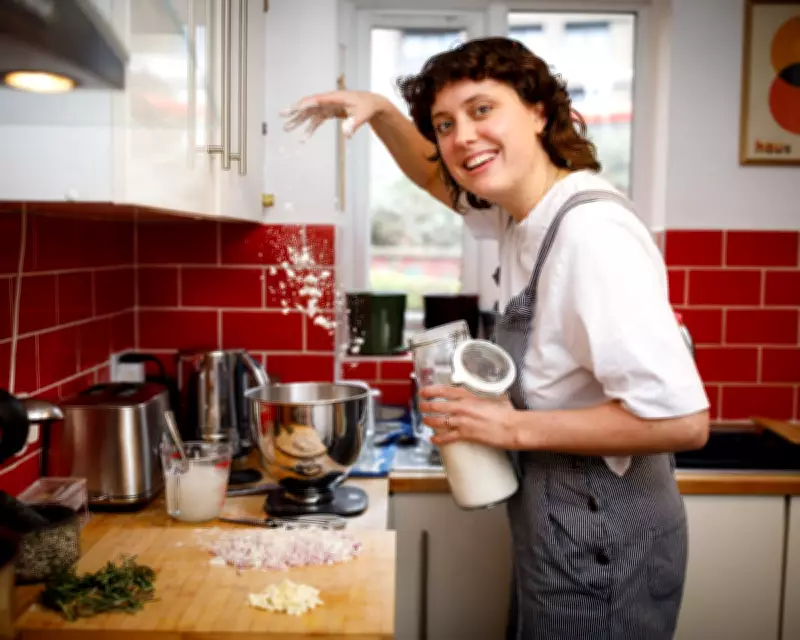
Over four weeks, the journalist engaged deeply with tradwife content. In week one, she followed Smith and Neeleman's social media, noting the highly stylized cooking tutorials and family updates. Smith's videos, featuring homemade meals and pristine kitchens, proved oddly captivating, though reminders of Neeleman's exhausting life with nine children tempered the allure. Week two involved hands-on activities, like baking focaccia using Smith's recipe and making raspberry jam inspired by Neeleman. While enjoyable, these tasks underscored the privilege of having free time, a luxury many lack in today's fast-paced world.
Underlying Pressures and Critiques
By week three, the journalist observed that successful tradwife influencers often build capitalist empires, contradicting their anti-girlboss messaging. This paradox is echoed in novels like Everyone is Lying to You by Jo Piazza, which critiques the commercialization of homemaking fantasies. Concerns arose about the potential normalization of misogynistic norms, especially as tradwife content gains traction among young people. A global survey indicates that gen Z males are twice as likely as baby boomers to believe wives should obey their husbands, highlighting a worrying cultural shift.
Reflections and Alternatives
In week four, delving into tradwife novels revealed themes of mystery and horror, reflecting societal anxieties about gender roles. Experts like Professor Heejung Chung suggest that the appeal stems from modern pressures, such as overwork and financial instability, driving people to seek escapism in these fantasies. The journalist concludes that neither the girlboss nor tradwife ideal suits most women, calling for a third option that balances independence and well-being without reinforcing outdated norms.