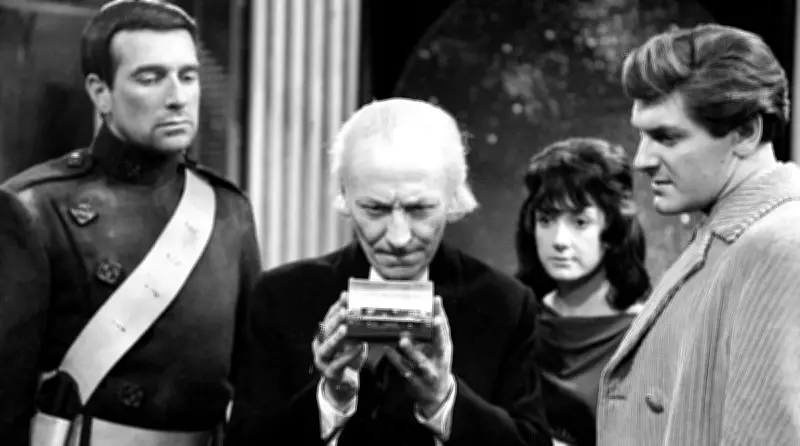
Lost 1965 Doctor Who Episodes Discovered in Private Collection and Released
In a remarkable development for television history, two episodes from the 1965 season of the iconic British science fiction series Doctor Who have been recovered after being missing for decades. The episodes were found in a private collection and have now been officially released for public access, sparking excitement among fans and historians alike.
Discovery and Release Details
The episodes, which date back to the early years of the show featuring the First Doctor, portrayed by William Hartnell, were located in a private collection that had remained undisclosed until recently. This discovery is part of ongoing efforts to preserve and restore archival television content, particularly from eras when recording and storage methods were less reliable.
Following their identification, the episodes underwent a careful restoration process to ensure they are presented in the best possible quality. They have been made available through official channels, allowing viewers to experience these lost pieces of cultural heritage for the first time in many years.
Significance for Fans and Media
This release is significant not only for Doctor Who enthusiasts but also for the broader field of media preservation. Lost episodes from classic television series are rare finds, and their recovery provides valuable insights into the production techniques and storytelling of the time. The 1965 season is a pivotal period in the show's history, marking key developments in its narrative and character arcs.
The availability of these episodes enriches the archival record of Doctor Who, offering new material for analysis and enjoyment. It highlights the importance of private collections in safeguarding cultural artifacts and the collaborative efforts between collectors and institutions to bring such content to light.
Impact on Television History
The release underscores the ongoing challenges in preserving early television broadcasts, many of which were not systematically archived. It serves as a reminder of the fragility of media history and the need for continued vigilance in conservation efforts. For scholars and fans, this event adds to the understanding of how television has evolved and the role of series like Doctor Who in shaping popular culture.
As more lost media is potentially discovered in similar collections, this case sets a precedent for how such finds can be handled to benefit the public and academic communities. The excitement surrounding the release is a testament to the enduring legacy of Doctor Who and its impact on generations of viewers.