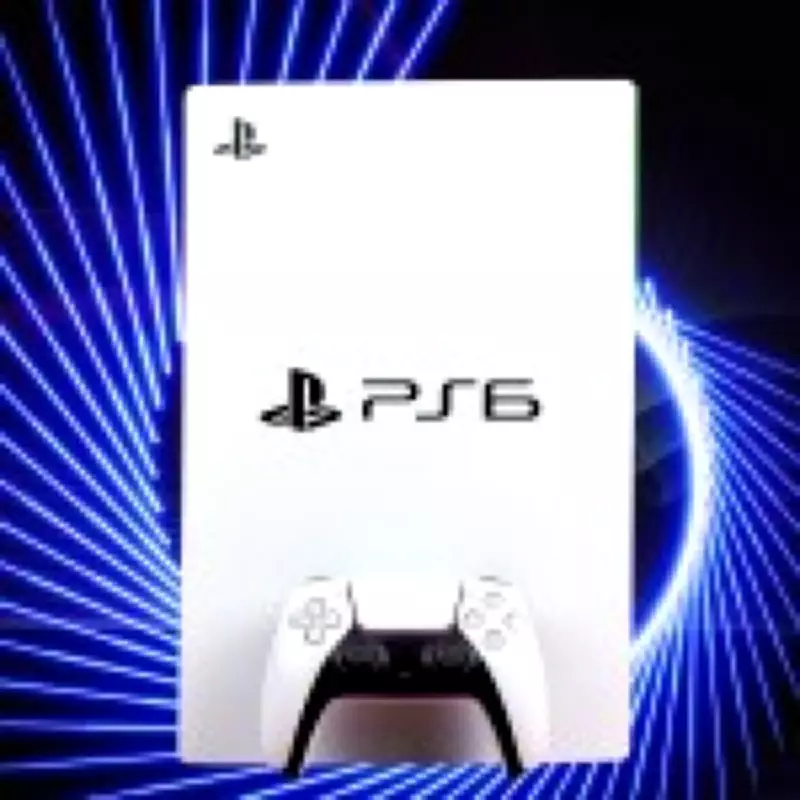
The Great Console Showdown: PS6 vs. Project Helix
The gaming community is buzzing with speculation about the next generation of consoles, as readers debate the potential clash between Sony's PlayStation 6 and Microsoft's codenamed Project Helix. With both consoles rumored for simultaneous release, industry watchers are questioning whether Microsoft can compete against Sony's established exclusive game strategy.
Microsoft's Naming Conundrum and Pricing Concerns
Readers express frustration with Microsoft's confusing console naming conventions, suggesting that the company should simplify to "Xbox 6" or return to the popular "Xbox Infinite" moniker. However, the most significant concern revolves around pricing. Many predict that Project Helix will be more expensive than any current gaming platform, including Steam Machines, creating a substantial barrier for adoption.
"If Helix is more expensive and PlayStation 6 has actual proper exclusives, I don't think anyone is going to pick Xbox unless they're hardcore fans," writes one reader, highlighting the competitive disadvantage Microsoft might face. The departure of Phil Spencer hasn't changed what readers perceive as corporate arrogance, with Microsoft continuing to promote Project Helix despite growing skepticism.
AI Integration and Industry Trends
Artificial intelligence emerges as another contentious topic, with readers suspecting that Microsoft will incorporate AI features into Project Helix despite public skepticism about the technology. "The worst thing about Microsoft not mentioning AI when talking about Project Helix is that we all know it's going to be there," notes one contributor, predicting that AI-driven games could become a significant point of failure for the console.
Meanwhile, the gaming industry continues to evolve with surprising developments. Battlefield 6's rapid transition to free-to-play models has raised eyebrows, while Electronic Arts maintains its commitment to realistic aesthetics despite potential monetization challenges. Readers speculate that this shift might increase the likelihood of Star Wars: Battlefront 3, which could leverage the same technology with more creative freedom for character customization.
Age Rating Controversies and Parental Responsibility
A significant portion of the discussion focuses on age ratings and parental awareness. Readers with retail experience report that fewer than 10% of parents pay attention to game age ratings, with many becoming defensive when questioned about purchasing mature-rated games for children.
"They knew what they were doing was wrong, but they didn't care because games are too good a babysitter to give up," explains one former game store employee, highlighting the practical considerations that often override concerns about age-appropriate content. The rise of platforms like Roblox, which lack traditional age rating systems, further complicates this landscape.
Industry Recognition and Cultural Moments
Readers also critique industry award shows, particularly questioning BAFTA's apparent bias against Japanese games while nominating what they consider mediocre titles. The discussion extends to cultural celebrations like MAR10 Day, which Nintendo has officially embraced after years of fan recognition.
Success stories from early 2026 include Pokémon Pokopia's impressive 2.2 million sales and Resident Evil Requiem's strong performance, demonstrating diverse gaming preferences. The growing trend of video game adaptations continues with upcoming films based on Super Mario Galaxy, Fallout, and Borderlands, alongside successful independent productions like Markiplier's Iron Lung movie.
Reader Recommendations and Future Speculation
Additional reader contributions highlight various industry developments:
- Positive anticipation for Bungie's Marathon update
- Requests for Capcom to remake Resident Evil 3 properly
- Discussion about the resurgence of physical game purchases
- Speculation about the next major Super Mario announcement
- Analysis of John Carpenter's involvement with Toxic Commando
The gaming community remains divided on whether simultaneous console releases represent smart competition or market oversaturation. As 2026 progresses, these debates will likely intensify, with readers continuing to scrutinize every corporate announcement and industry trend.