Leaseholders on the Bourne Estate in Holborn are preparing to take Camden Council to a tribunal after estimated repair bills skyrocketed from around £10,000 to nearly £50,000 per household. The New Journal has learned that the costs stem from a contractor being removed from the job before completion, with the total price of upgrading the century-old estate ballooning into the millions.
Background: A century-old estate with a troubled repair history
The Bourne Estate, originally built in 1906 as part of a slum clearance programme, has been plagued by repeated botched repair attempts over the past 25 years, according to residents. Roofs, windows, and communal areas all require urgent work. In 2020, leaseholders were told they might face bills of around £14,000 for the essential repairs. Now, many have been informed they will be billed more than £40,000, with some receiving estimates as high as £44,000.
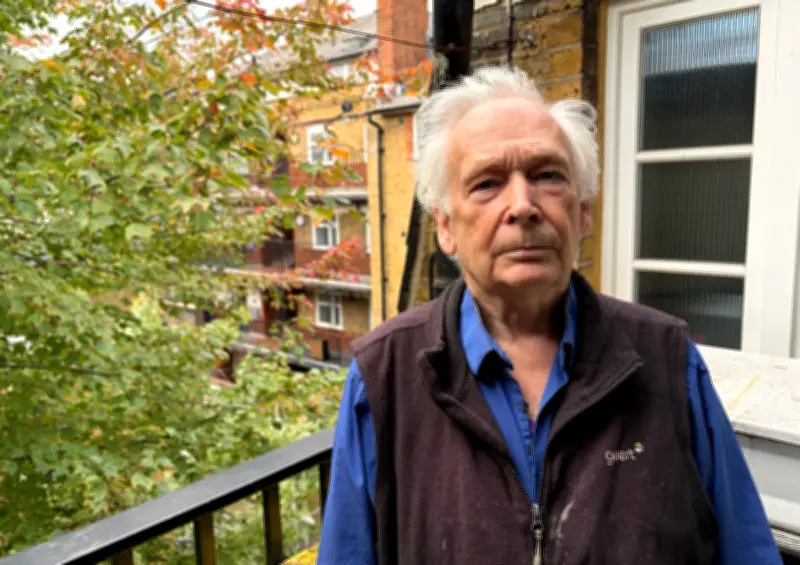
Brian Hatton, chair of the estate's residents' association, moved into a council flat there in 1983 and bought his home in 1991. He said work was first proposed 26 years ago, began in 2001, and was left uncompleted in 2006. “Works didn’t begin until autumn 2018. The works were supported, but resented, because they should have been done in the 2001-06 sequence. Instead, for the second time in 12 years, our estate was covered in scaffolding,” he said.
Contract cancellation and spiralling costs
By 2020, delays and rising bills prompted residents to compile a dossier of complaints. Camden Council cancelled the contract with the chosen building firm before the work was complete, with two-thirds of the project done, and began looking for a new team of builders. Residents claim the council scrapped the contract to avoid a legal challenge from leaseholders who had a binding estimate for the work.
Mr Hatton, whose block was in Phase 3 of the plans, said he was not informed of any implications when the contract was cancelled. “In early 2023, I wrote to the project leader, requesting a likely figure for my bill. They replied in April that he thought my guess of somewhat over £15,000 to be ‘not far off the mark’. But nine months later I got a bill for £38,000. Others got bills up to £44,000,” he explained.
Impact on leaseholders and residents
Phase 3 covers around a third of the estate, with five blocks holding 150 flats, of which around 50 are leaseholders. Mr Hatton described the work as “extraordinarily slow”, adding that “often weeks went by with little or no signs of activity. Anxieties about costs have been continuous since the failed 2001-06 works. Many have been uncertain as to whether they could pay or if they would have to move away. They couldn’t even sell their flats while years-long uncertainty about more works and further bills hung over them.”
Altaf Shaikh, a leaseholder and secretary of the Bourne Phase 3 tenants and residents association, bought a flat in 1998 and has witnessed two major bungled works programmes by Camden Council. His initial major works contribution was approximately £13,000 in 2020, amended to over £40,000 in 2024. “We first realised the costs had spiralled in February 2024 when we received the amended costs. I was furious because Phase 1 and Phase 2 got away with paying between £12,000 and £17,000. Camden Council, to recover losses and mistakes they made during Phases 1 and 2 put the losses and additional costs onto Phase 3 leaseholders,” he said.
Council response and next steps
Mr Shaikh added that some leaseholders have given up in despair, and he likened Camden’s approach to “divide and rule” by keeping different phase leaseholders apart. He also criticised the quality of work, noting that scaffolding was prematurely taken down, leaving a considerable amount of ‘agreed’ works uncompleted.
In response, a Town Hall spokesperson said: “The Council has a duty to ensure estates are safe and well-maintained. The Bourne Estate requires essential external works, including works to the roof and windows. We have been engaging with affected leaseholders and we understand that bills of this kind can have a significant impact. We continue to offer a range of support options, including providing financial advice, to help residents manage charges.” The council said it was obliged to recover a “proportionate” amount of costs from leaseholders, with any shortfall funded by its housing revenue account, which is financed by tenants’ rents. Leaseholders are now preparing to take their case to a tribunal, seeking to challenge the bills they argue are unfair and unaffordable.