
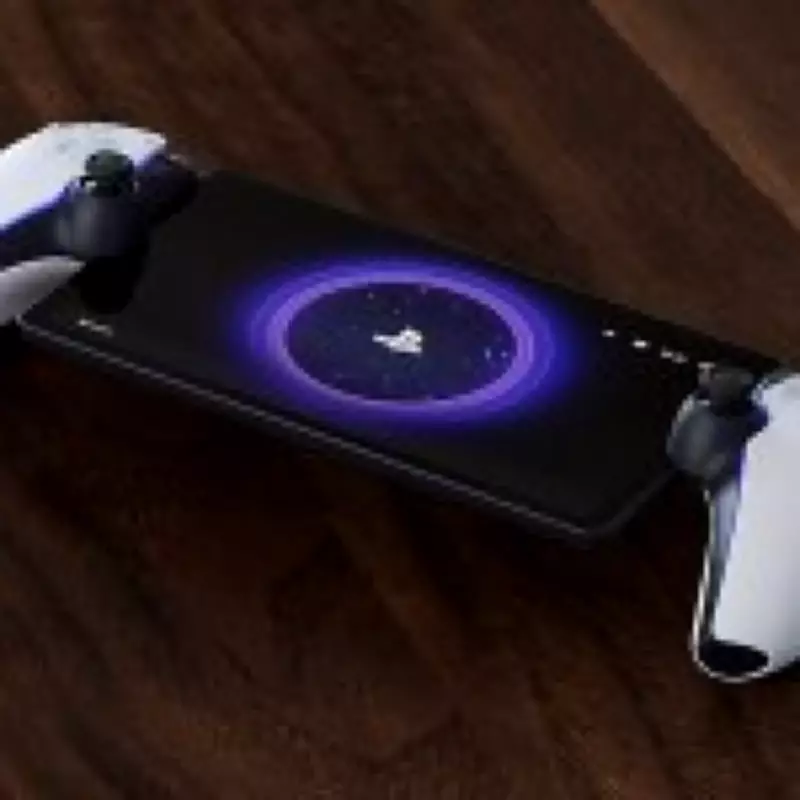
Gaming Community Questions PlayStation 6 Portable Console Capabilities
The gaming community is buzzing with speculation about Sony's rumored PlayStation 6 portable console, with many expressing confusion about how such a device could possibly surpass the power of the current PlayStation 5. Readers of the GameCentral letters page are questioning the fundamental design philosophy behind creating separate home and portable consoles when hybrid systems like the Nintendo Switch have proven successful.
Portable Power Paradox
Several correspondents have raised valid concerns about the technical feasibility of a portable PlayStation 6 that matches or exceeds home console performance. "I don't see how a portable could possibly be more powerful than a PlayStation 5," writes one reader, highlighting the inherent limitations of mobile hardware compared to stationary gaming systems. The discussion has expanded to question why Sony would potentially create two distinct consoles rather than following Nintendo's successful hybrid approach.
The financial implications are also under scrutiny, with readers noting that while the original Nintendo Switch launched at a relatively affordable price point, developing two high-end consoles simultaneously could push total costs into the £1,500 range at launch. This raises questions about accessibility and whether such a strategy would cater primarily to the most dedicated gaming enthusiasts rather than the broader market.
God of War Mythology Expansion Concerns
Parallel to the hardware discussions, the gaming community is analyzing rumors about the next God of War installment potentially combining multiple mythological systems. While expressing trust in the game's director, readers worry that the world of Kratos may not be sufficiently developed to accommodate such ambitious narrative expansion.
"The Greek and Norse games have almost nothing in common, in terms of story or gameplay," observes one correspondent, pointing out the significant tonal and thematic differences between the franchise's different mythological settings. The discussion has expanded to question the geographical and logical consistency of the game worlds, particularly regarding the presence or absence of ordinary human populations in different mythological realms.
Starfield's Missed Opportunity for Xbox
The gaming community is also reflecting on what might have been for Xbox if Starfield had achieved the commercial and critical success Microsoft had anticipated. Readers suggest that the game's disappointing performance may have had significant consequences for Xbox's overall strategy and market position.
"Microsoft was clearly banking on it being a system seller, boosting Game Pass, and proving that buying all these companies was worth it," notes one analysis, highlighting how Starfield's underwhelming reception failed to deliver on multiple strategic objectives. The discussion considers how a Skyrim-level success might have altered the console landscape and whether Microsoft's subsequent shift toward multiplatform releases represents a response to this disappointment.
Technical Standards and Development Practices
Beyond specific game and hardware discussions, the gaming community is expressing frustration with ongoing technical issues across the industry. The conversation references multiple examples of games launching with performance problems or unfulfilled promises, questioning whether development studios are adequately testing their products or simply hoping players will accept substandard experiences.
From Overwatch's Switch performance to Cyberpunk 2077's notorious launch problems, readers are demanding higher standards and greater transparency from game developers and publishers. The discussion touches on whether commercial pressures are compromising quality assurance processes and what this means for the future of gaming as an entertainment medium.
Broader Gaming Industry Observations
The letters page also includes diverse observations about gaming trends and personal experiences. One reader expresses surprise at the lack of major King Arthur-themed games despite the rich narrative potential of Arthurian legends, while another shares their appreciation for Resident Evil Requiem while acknowledging its flawed final boss encounter.
The emotional impact of gaming narratives also comes under discussion, with correspondents debating whether video games can effectively evoke genuine emotional responses comparable to other storytelling mediums. The conversation considers how gameplay mechanics and narrative conventions might limit games' emotional resonance while acknowledging specific titles that have successfully created powerful atmospheric experiences.
As the gaming industry continues to evolve with new hardware announcements, franchise expansions, and changing market dynamics, the GameCentral community remains engaged in thoughtful analysis and spirited debate about the future of interactive entertainment.




